
Thanksgiving is the time of year when we pause to appreciate the big things—family, food, football, and maybe even a perfectly flaky pie crust. But there’s one thing we often forget to be grateful for: our bodies. Every day, your muscles, joints, and connective tissues do a whole lot more than you realize. They carry you through grocery store marathons, marathon-marathons, late-night study sessions, workdays, workouts, and everything in between.


So this season, before you grab that second helping of mashed potatoes (no judgment here), take a moment to thank the parts of you that keep you moving. Here are five simple, meaningful ways to show your body a little gratitude—and feel better in the process.

1. Give Your Body a Break (Literally): Rest Is a Form of Appreciation

One of the best ways to thank your body is to give it a moment to breathe. While the holidays can be packed with activity—travel, cooking, hosting, shopping—your muscles and joints need downtime to recover from everyday stress.


Quality rest helps reduce inflammation, supports muscle repair, and improves overall recovery. Even short breaks throughout the day can prevent the stiffness and soreness that creep in when we’re on our feet (or sitting too long).


Try:


  • Micro-breaks while cooking or cleaning—stand tall, stretch your arms, and take 5 deep breaths
  • Restorative sleep by keeping a consistent bedtime, even during holiday chaos
  • Putting your feet up after a long day to encourage circulation


Think of it as saying “thank you” to your body for carrying you through the day. It’s well-deserved.

2. Move a Little Every Day: Your Joints Love Motion

Movement is one of the most underrated forms of appreciation. Gentle, consistent mobility keeps joints nourished, improves flexibility, and reduces stiffness—especially important during colder months when we tend to huddle indoors like holiday-season hermit crabs.


Daily motion doesn’t need to be complicated. Try:


  • 10-minute morning mobility flow to wake up your hips, spine, and shoulders
  • quick post-meal walk (a great way to beat the sleepiness that hits after turkey dinner)
  • Light stretching or a few yoga poses while watching football or holiday movies
  • Simple at-your-desk exercises like shoulder rolls, spinal rotations, or ankle circles


Think of movement like lubricating a squeaky hinge—it keeps everything gliding smoothly. Your joints will thank you for it.

3. Practice Mindful Gratitude for What Your Body Can Do

This time of year, it’s easy to focus on what we wish we could do—run faster, lift heavier, touch our toes without bending our knees, magically carry every grocery bag inside in one trip. But mindful gratitude shifts the focus to everything your body is already doing for you. The truth is, your body works incredibly hard behind the scenes.


Try taking a moment to appreciate:


  • Your feet, for carrying you from place to place
  • Your hands, for cooking, typing, wrapping gifts, or wrangling shopping bags
  • Your spine, for supporting every movement
  • Your breath, for keeping you steady when things get stressful


Even a quick, quiet moment of acknowledgment can help reduce mental tension—and believe it or not, that mental tension is deeply connected to muscle tension. When your mind relaxes, your body often follows.

4. Fuel Your Body with Foods That Help It Feel Good

Thanksgiving and nutrition can coexist peacefully—no need to skip the stuffing. But one way to thank your body is to give it a few nutrients it loves.


You don’t need a perfectly curated plate. Just aim to add:


  • Colorful veggies, which offer vitamins and antioxidants that support tissue repair
  • Hydration, since your joints rely on fluid to stay cushioned
  • Protein, to help your muscles recover from busy, active days
  • Omega-3-rich foods like salmon, walnuts, or chia seeds, which help reduce inflammation


And yes—you can absolutely enjoy pie, rolls, and gravy. Just also give your muscles and joints the nourishment they need to function well through the season.

5. Treat Your Body to Some Hands-On Care: Chiropractic and Massage Therapy

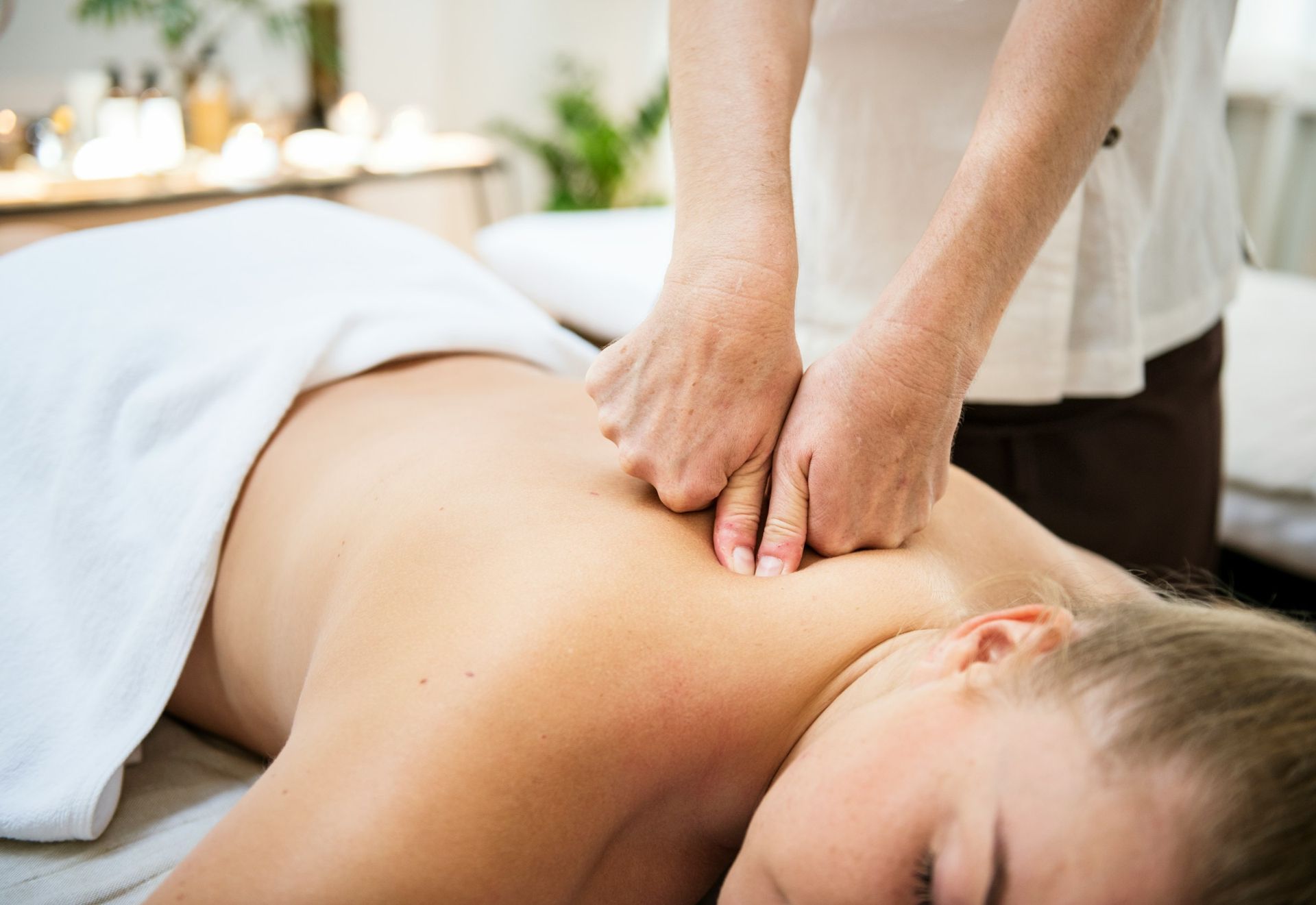
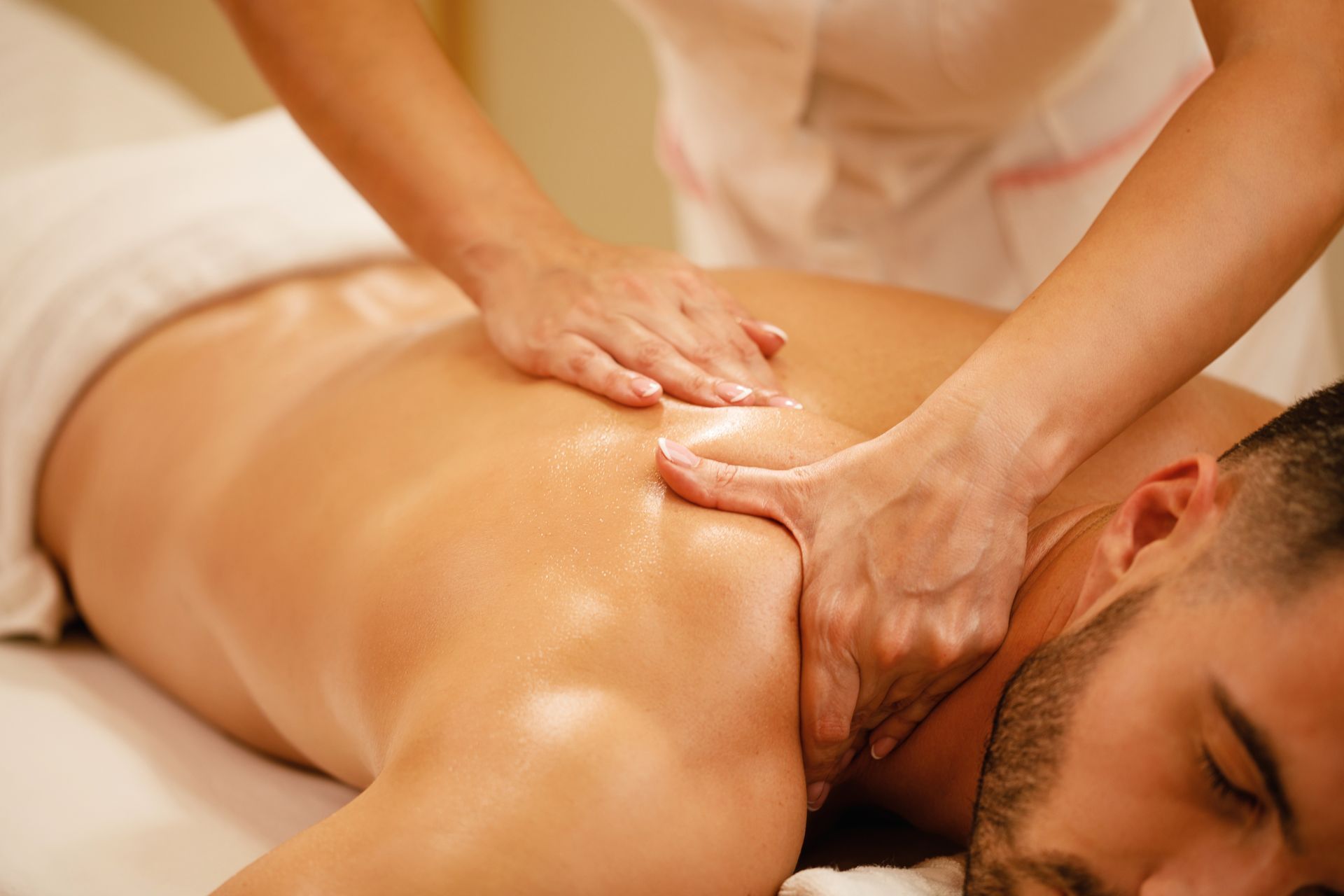
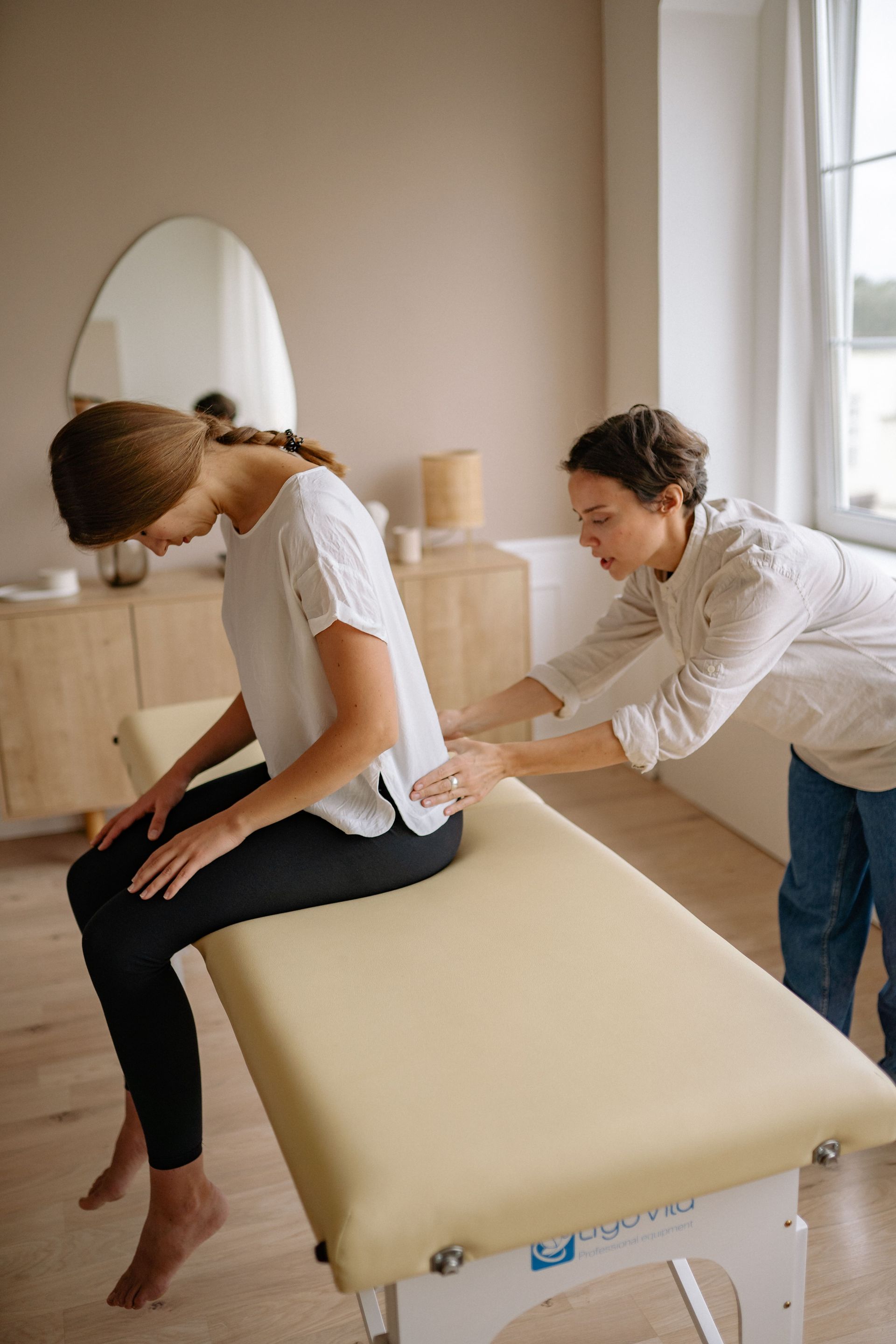
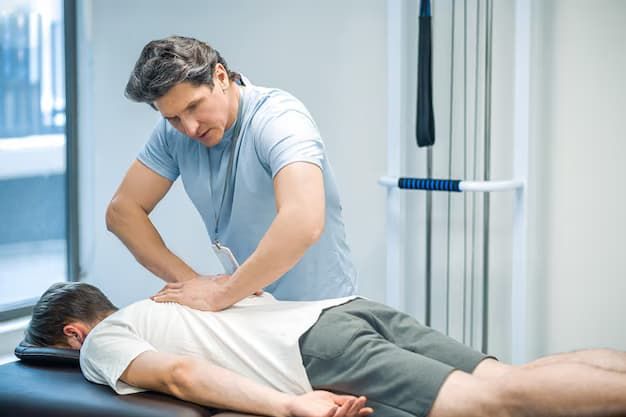
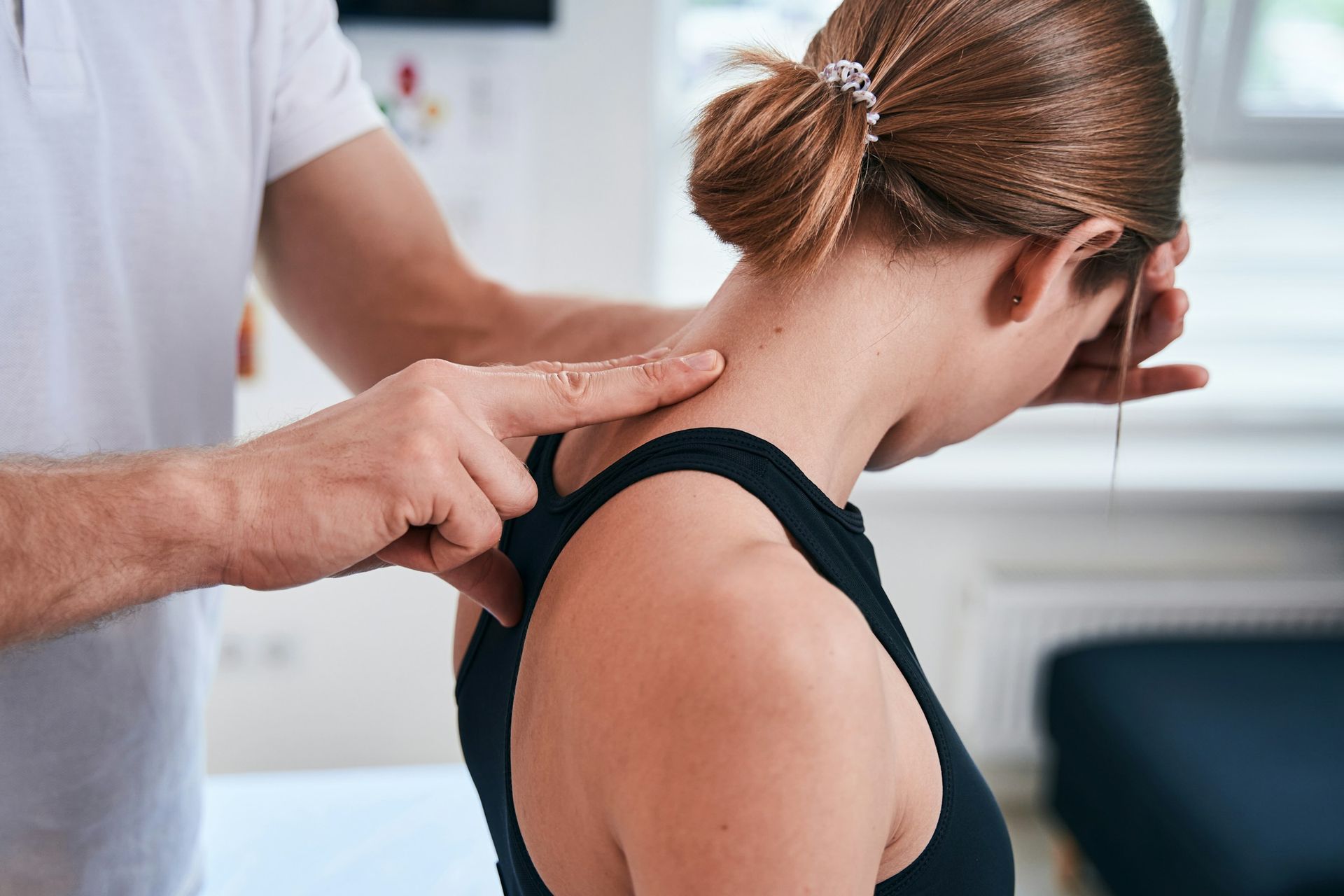
Nothing says “I appreciate you” to your muscles and joints quite like giving them a little professional attention. Chiropractic care and massage therapy are both comforting and effective ways to reset your body during a busy season.


Massage Therapy:


Massage helps:


  • Reduce muscle tension from long hours spent sitting, traveling, or standing
  • Improve circulation
  • Decrease stress-related tightness
  • Ease common holiday-season trouble spots like the neck, shoulders, and low back


It’s also a calming way to unwind from the hustle of hosting, family gatherings, and shopping.


Chiropractic Care:


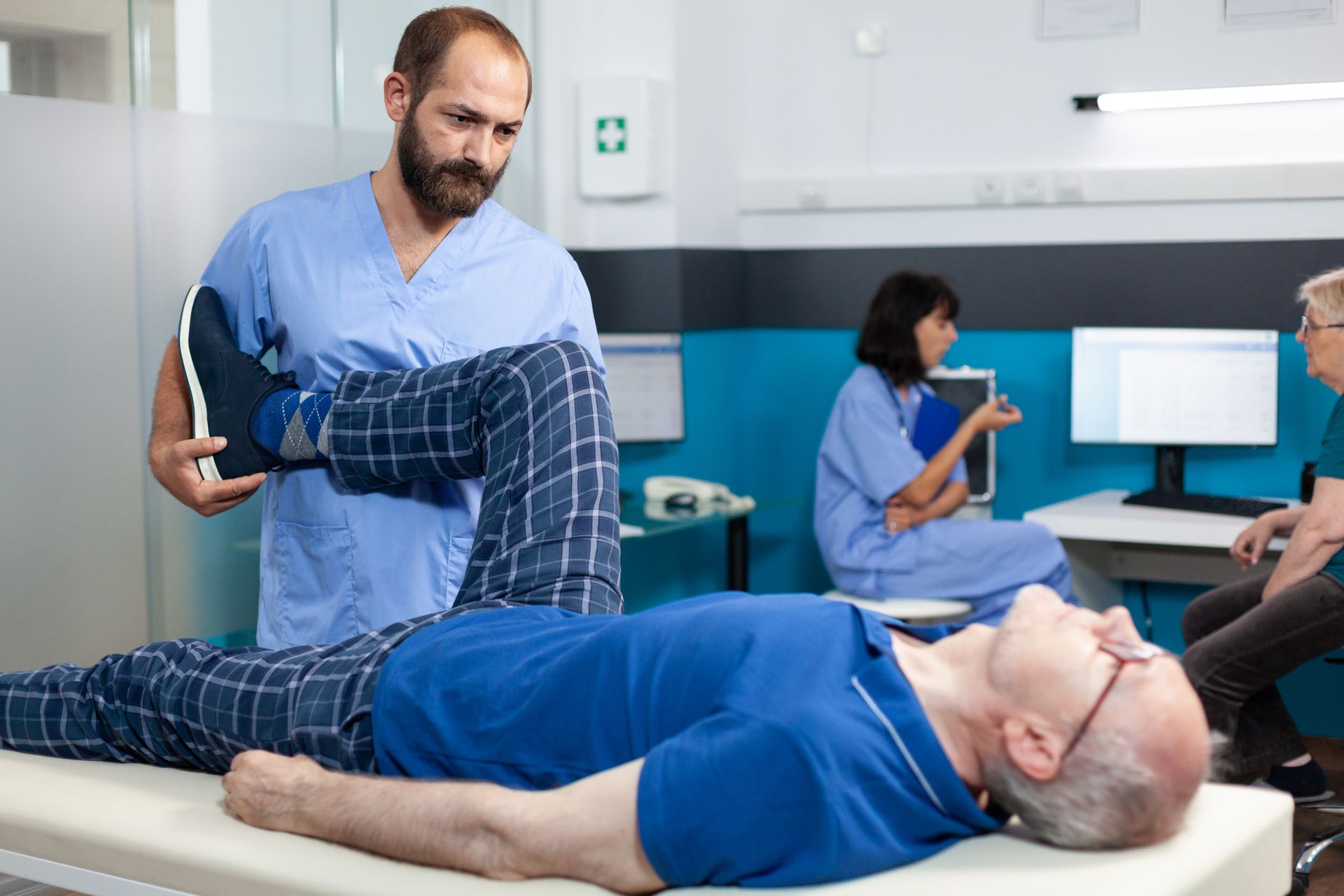
Chiropractic adjustments:


  • Improve joint mobility
  • Decrease stiffness
  • Support better posture
  • Reduce headaches and muscle tension caused by stress or long periods of sitting


If you’ve been carrying the weight of the holidays (literally or figuratively), an adjustment can help you move more comfortably and efficiently.

If you’re stuck on gift ideas, you can even think of chiropractic or massage sessions as a thoughtful present—either for someone you love or for yourself. Because sometimes the best gift is one that helps you feel better in your own body.

Why Gratitude Matters for Your Health

Vaccines are one of the most effective ways to prevent illness and protect yourself—and others—throughout the winter season. The flu shot remains especially important, as flu strains vary from year to year. Getting vaccinated reduces your risk of infection and can make symptoms milder if you do get sick.


Depending on your age and health status, your provider may also recommend COVID-19 boostersRSV vaccines, or pneumococcal vaccines. If you’re unsure which vaccinations are right for you, talk to your doctor or pharmacist—they can help guide you based on your individual health profile.

A Season to Give Thanks (Including to Yourself)

During a holiday season filled with obligations, traditions, gatherings, and food that magically disappears from the fridge overnight, it’s easy to forget that your body is working behind the scenes to keep you going.


This Thanksgiving, take a moment to thank your muscles for their strength, your joints for their resilience, and your spine for holding everything together—literally. A little gratitude goes a long way, especially when paired with everyday habits that support how your body feels and functions.


And if your body needs a tune-up, a reset, or just a little extra love, our chiropractic and massage therapy team is here to help you move into the season feeling more comfortable, more supported, and more grateful than ever.


Happy Thanksgiving—here’s to feeling good in your body this season and beyond.


Bethany Wolcott

D’Youville Chiropractic ‘26
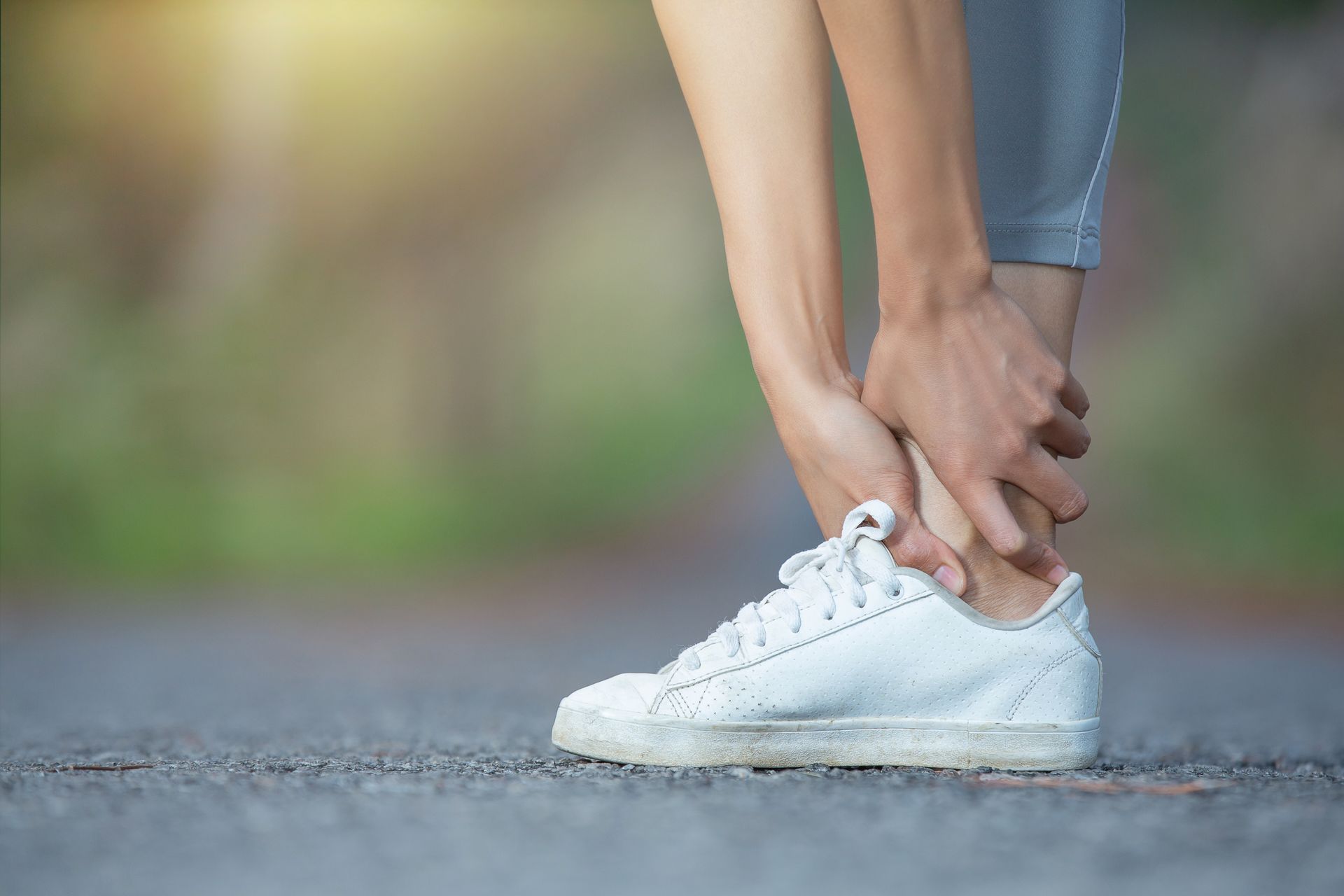
The Impact of Footwear on Spinal Health
By S21 GMB July 17, 2026
If you’re experiencing back pain or discomfort, consider evaluating your footwear. Schedule a consultation at Peak Performance to learn how chiropractic care and proper shoe choices can help keep your spine in optimal condition.
Heatwave , tips  on how to take care of yourself during heatwave
By S21 GMB July 10, 2026
At Peak Performance Chiropractic, we want our patients to enjoy everything summer has to offer while staying safe. Here are some practical, evidence-informed tips to help you beat the heat during this week's heat wave.
 whiplash, a neck injury that occurs when the head is rapidly forced forward and backward
By S21 GMB July 2, 2026
One of the most common injuries after a sudden impact is whiplash, a neck injury that occurs when the head is rapidly forced forward and backward. At Peak Performance Chiropractic, we often see patients in Buffalo, NY and the surrounding WNY area who are dealing with neck pain, stiffness, headaches, and other symptoms
Table Thai Massage
By S21 GMB June 26, 2026
At Peak Performance Chiropractic, we are always looking for evidence-informed ways to help our patients and community improve movement, reduce muscle tension, and support their overall health. We are excited to introduce Table Thai massage with our Licensed Massage Therapist, Chris
couples massage near me
By S21 GMB June 25, 2026
Discover how couples massage near me helps reduce burnout, ease stress, and restore connection through shared therapeutic wellness care.
By S21 GMB June 19, 2026
Hip pain is one of the most common musculoskeletal complaints we see at Peak Performance Chiropractic & Massage in Buffalo, NY. Whether you're a runner training for a marathon, a busy parent, or someone who spends most of the day sitting at a desk, hip pain can significantly affect your quality of life. One of the challenges with hip pain is that the hip joint sits at the crossroads of the lower back, pelvis, and legs. Because of this, pain felt in the hip isn't always coming from the hip itself. Sometimes the source is the spine, surrounding muscles, tendons, or even nerves.  Understanding where your pain is located, what activities aggravate it, and what other symptoms accompany it can provide clues about the underlying condition. Let's explore some of the most common causes of hip pain and what your symptoms might mean. Hip Osteoarthritis: Deep Joint Pain and Stiffness Hip osteoarthritis occurs when the cartilage that cushions the hip joint gradually wears down over time. It is more common as we age but can also develop after previous injuries or due to certain anatomical factors. Common Symptoms: Deep aching pain in the groin or front of the hip Morning stiffness that improves with movement Pain after prolonged standing or walking Difficulty putting on shoes and socks Reduced range of motion Many people are surprised to learn that hip arthritis often causes groin pain rather than pain on the outside of the hip. If you find yourself struggling to rotate your leg or experiencing stiffness when getting out of a car, arthritis may be contributing to your symptoms. Chiropractic care, soft tissue therapy, exercise, and mobility work can often help improve function and reduce discomfort associated with hip osteoarthritis. Greater Trochanteric Pain Syndrome: Pain on the Outside of the Hip Many people refer to this condition as "hip bursitis," although research has shown that irritation of the gluteal tendons is often involved as well. Common Symptoms: Pain on the outer side of the hip Tenderness when pressing on the side of the hip Pain while lying on the affected side Discomfort during walking or climbing stairs Pain that worsens after prolonged activity This condition is particularly common among runners, walkers, and individuals who spend a lot of time on their feet. Massage therapy can help address tight surrounding muscles, while chiropractic care and exercise recommendations can improve biomechanics and reduce stress on irritated tissues. Hip Flexor Strain: Pain in the Front of the Hip The hip flexors are a group of muscles that help lift your knee and bend your hip. Athletes, runners, cyclists, and people who sit for prolonged periods frequently experience hip flexor issues. Common Symptoms: Pain in the front of the hip or groin Pain when lifting the knee Tightness after sitting Discomfort during running, kicking, or climbing stairs Muscle tenderness Hip flexor strains can range from mild irritation to significant muscle injuries. Treatment often focuses on reducing muscle tension, restoring mobility, and gradually rebuilding strength. Labral Tears: Clicking, Catching, and Deep Hip Pain The hip labrum is a ring of cartilage that helps stabilize the hip joint. Labral tears can occur due to trauma, repetitive stress, or structural variations within the hip. Common Symptoms: Deep groin pain Clicking, popping, or catching sensations Feeling like the hip is "sticking" Pain during twisting movements Discomfort during prolonged sitting While not every clicking hip indicates a labral tear, persistent mechanical symptoms deserve evaluation. Proper diagnosis can help determine whether conservative care or additional medical intervention may be appropriate. Piriformis Syndrome: Hip Pain with Sciatica-Like Symptoms The piriformis is a small muscle located deep in the buttock. When irritated, it can sometimes affect the nearby sciatic nerve. Common Symptoms: Pain deep in the buttock Pain that radiates down the back of the leg Increased discomfort when sitting Relief with standing or walking Tightness in the gluteal region Because piriformis syndrome can mimic sciatica, a thorough examination is important. Chiropractic care and massage therapy often work well together to address muscular tension and improve movement patterns. Lumbar Radiculopathy: When the Hip Isn't the Problem Not all hip pain originates from the hip joint. Sometimes the lower back is responsible. A bulging disc, spinal arthritis, or other lumbar spine condition can irritate nerves that travel into the hip and leg. Common Symptoms: Hip pain accompanied by low back pain Numbness or tingling down the leg Burning or shooting sensations Weakness in the leg Symptoms that change with spinal movement If your hip pain travels below the knee or is accompanied by neurological symptoms, the source may be your spine rather than your hip. This is one reason a comprehensive evaluation is so important before beginning treatment. Sacroiliac (SI) Joint Dysfunction: Pain Near the Hip and Pelvis The sacroiliac joints connect the pelvis to the spine. Dysfunction in these joints can produce pain that feels remarkably similar to hip pain. Common Symptoms: Pain near the back of the hip Pain near the dimples of the lower back Pain when standing from a seated position Discomfort while walking Pain that may radiate into the buttock SI joint dysfunction commonly occurs after pregnancy, falls, repetitive activities, or prolonged asymmetrical postures. Hip Impingement (FAI): Pain During Movement Femoroacetabular impingement (FAI) occurs when the bones of the hip joint do not move together smoothly. Over time, this can create irritation within the joint. Common Symptoms: Groin pain during activity Pain with squatting Pain when sitting for long periods Reduced hip mobility Pinching sensation in the front of the hip FAI is often seen in active adults and athletes. Improving movement patterns and maintaining appropriate hip mobility can often help manage symptoms. Muscle Strains and Tendon Injuries Sometimes hip pain is simply the result of an overworked muscle or tendon. Common muscles involved include: Gluteus medius Gluteus minimus Hamstrings Adductors (groin muscles) Hip flexors Common Symptoms: Localized pain Tenderness to touch Pain with specific movements Symptoms related to exercise or activity These injuries often respond well to a combination of manual therapy, exercise, and gradual return to activity. When Should You Seek Care? While many causes of hip pain are musculoskeletal, some symptoms require prompt medical evaluation. Contact a healthcare provider if you experience: Severe pain following trauma Inability to bear weight Significant swelling Fever accompanying hip pain Unexplained weight loss Progressive weakness Loss of bowel or bladder control These symptoms may indicate a more serious condition requiring immediate attention. How Chiropractic Care and Massage Therapy Can Help At Peak Performance Chiropractic & Massage, we take a comprehensive approach to evaluating hip pain. Because the source of symptoms isn't always obvious, a thorough examination helps identify whether the issue is originating from the hip joint, surrounding muscles, pelvis, or lower back. Treatment may include: Chiropractic adjustments when appropriate Soft tissue therapy Massage therapy Mobility exercises Strengthening recommendations Movement and posture education Activity modifications Our goal is not only to reduce pain but also to improve function and help prevent future flare-ups. Don't Ignore Hip Pain Hip pain is not something you simply have to "live with." Whether your symptoms stem from arthritis, tendon irritation, a muscle strain, spinal involvement, or another condition, identifying the underlying cause is the first step toward effective treatment. If you're experiencing hip pain in Buffalo or Western New York, the team at Peak Performance Chiropractic & Massage is here to help. Through evidence-informed chiropractic care, massage therapy, and individualized treatment plans, we can help you get back to doing the activities you enjoy with less pain and better movement. Bethany Wolcott, DC
deep tissue massage in Hamburg
By S21 GMB June 17, 2026
Discover 7 strange body reactions after a deep tissue massage in Hamburg and what they mean for recovery, healing, and overall wellness.
Understanding Contrast Therapy
By S21 GMB June 12, 2026
If you've spent any time on social media lately, you've probably seen people climbing into ice baths, sitting in saunas, or enthusiastically talking about their "contrast therapy" routine. But what exactly is contrast therapy? Is it worth trying? And what are the potential benefits and risks? Let's dive in.
Happy Pride Month from Peak Performance!
June 5, 2026
June is Pride Month, a time to celebrate love, authenticity, community, and the ongoing pursuit of equality for LGBTQIA+ individuals. At Peak Performance, we're proud to join in that celebration and reaffirm something that we believe should be true every day of the year: everyone deserves to feel welcome & respected
benefits of lymphatic drainage massage
By S21 GMB June 2, 2026
Explore the benefits of lymphatic drainage massage for remote workers. Improve circulation, reduce swelling, and support daily wellness naturally.
Show More