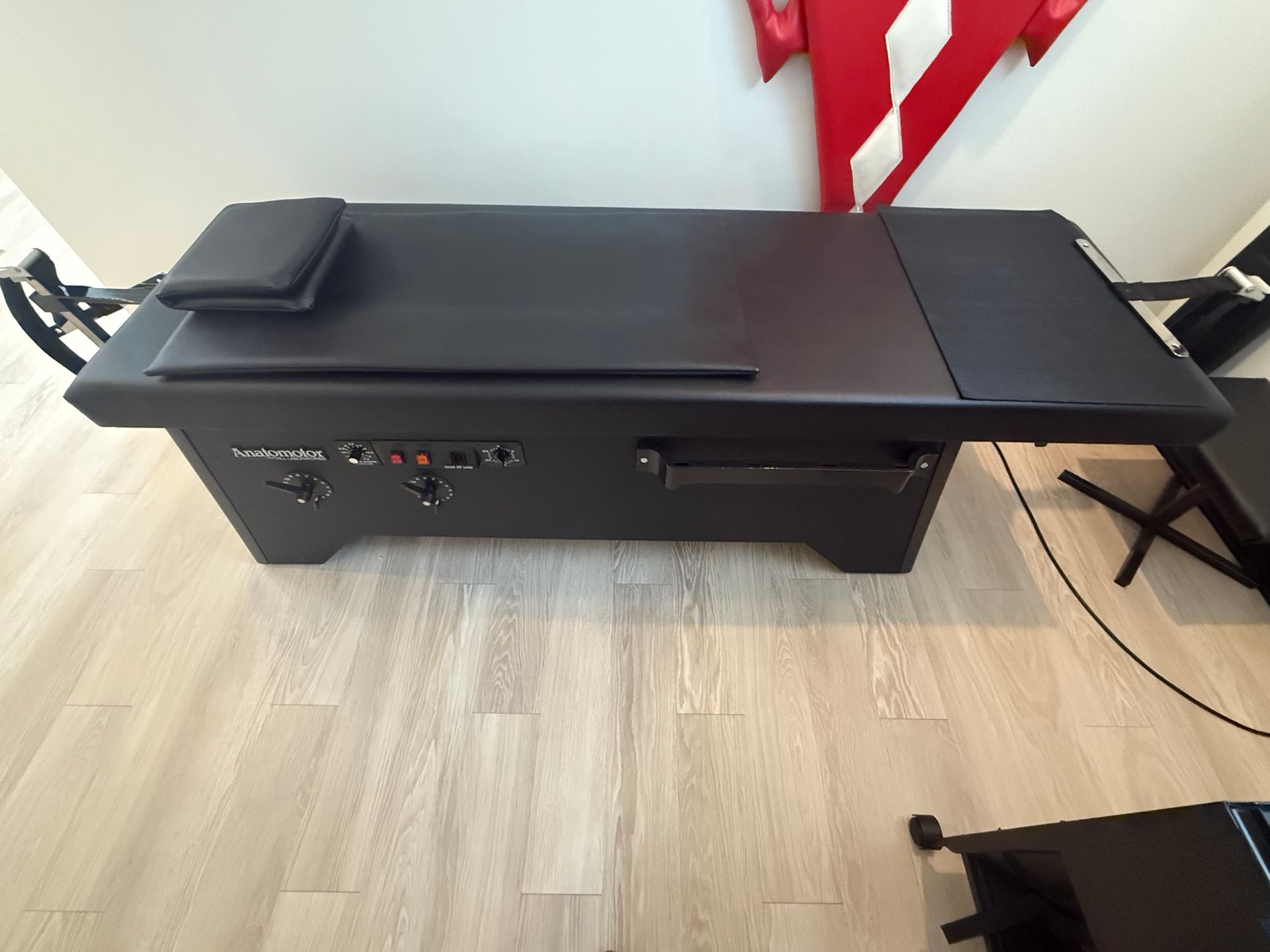
If you’ve ever dealt with back or neck pain, you’ve probably been told to “take pressure off the spine.” Easier said than done, right? That’s where a traction table comes in. Traction tables are a common, evidence-informed tool used in chiropractic offices to help reduce spinal compression, improve mobility, and relieve pain—without surgery or medications.
Let’s break down what a traction table is, how it works, and who may benefit from incorporating traction into their care plan.
What Is a Traction Table?
A traction table is a specialized chiropractic table designed to gently stretch and decompress the spine. Unlike a standard treatment table, a traction table has moving sections and adjustable settings that allow a chiropractor to apply controlled pulling forces to specific areas of the spine—most commonly the cervical (neck) or lumbar (low back) regions.
The goal of traction is simple: create space. By slightly separating the vertebrae, traction can reduce pressure on spinal discs, joints, muscles, and nerves. This makes it a helpful option for patients dealing with pain, stiffness, or nerve-related symptoms.
Traction has been used in healthcare for decades and continues to evolve as equipment becomes more precise and customizable to individual patients.
How Does a Traction Table Work?
Traction tables work by applying a slow, controlled stretching force to the spine. This force can be delivered in a few different ways depending on the table and the patient’s needs:
- Manual traction: Controlled by the chiropractor
- Mechanical traction: Powered by the table using preset or adjustable force
- Intermittent traction: Alternating between stretch and relaxation
- Sustained traction: Holding a stretch for a set period of time
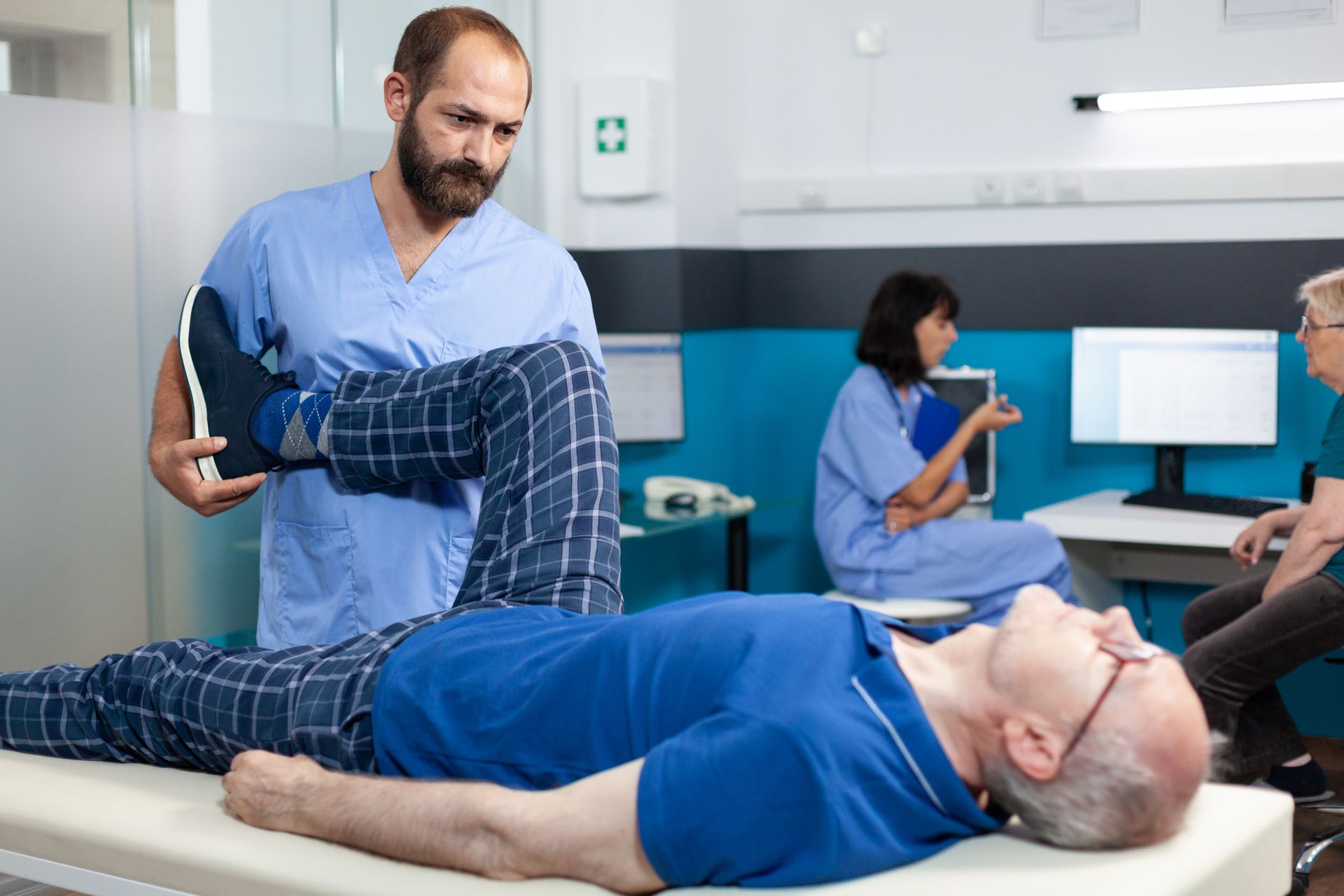
During a traction session, the patient lies comfortably on the table while the chiropractor positions straps or harnesses around the targeted area (such as the pelvis or neck). The table then gently separates, applying traction in a safe, controlled manner.
The experience is often described as a slow stretch or a feeling of “decompression”—not sharp or aggressive. Most patients find traction sessions relaxing, and many report feeling looser or lighter afterward.
What Does Spinal Traction Do to the Body?
Traction doesn’t just stretch muscles—it affects multiple structures at once. Some of the key physiological effects include:
Reduced Disc Pressure
Spinal discs can become compressed due to posture, repetitive movement, injury, or aging. Traction helps reduce pressure within the disc, which may be especially helpful for disc bulges or herniations.
Decompression of Nerves
When spinal nerves are irritated or compressed, symptoms like pain, tingling, numbness, or weakness can occur. By creating more space between vertebrae, traction may reduce nerve irritation.
Improved Joint Mobility
Gentle separation of spinal joints can help restore normal motion and reduce stiffness, especially in areas that feel “stuck” or restricted.
Muscle Relaxation
Traction encourages muscles surrounding the spine to relax, which can reduce guarding and tension that often accompany pain.
Who Can Benefit From Using a Traction Table?
Traction is not a one-size-fits-all treatment, but it can be a valuable part of care for many patients. Your chiropractor will determine whether traction is appropriate based on your condition, symptoms, and overall health.
Some common conditions that may benefit from traction include:
Low Back Pain
Traction is often used for patients with chronic or recurrent low back pain, especially when compression or disc involvement is suspected.
Neck Pain
Cervical traction can help reduce tension, improve mobility, and relieve pressure in the neck and upper spine.
Disc Bulges or Herniations
By decreasing pressure within spinal discs, traction may help reduce irritation and support the healing process.
Sciatica
Sciatic pain often results from nerve compression in the lumbar spine. Traction may help relieve pressure on the affected nerve roots.
Degenerative Disc Changes
As discs lose height over time, traction can temporarily restore space and reduce joint stress.
Spinal Stiffness or Limited Mobility
Patients who feel compressed, tight, or restricted may benefit from the gentle stretching traction provides.
What Traction Is (and What It Isn’t)
It’s important to set realistic expectations. Traction is not a cure-all, and it’s not meant to be used in isolation. Instead, it works best as part of a comprehensive care plan that may include chiropractic adjustments, massage therapy, corrective exercises, and lifestyle recommendations.
Traction is also not appropriate for everyone. Certain conditions—such as fractures, spinal instability, severe osteoporosis, or specific medical concerns—may rule it out. That’s why traction should always be guided by a licensed chiropractor who can determine if it’s safe and appropriate.
What Does a Traction Session Feel Like?
Most patients are pleasantly surprised by how comfortable traction feels. Sessions typically last anywhere from 5 to 20 minutes, depending on the treatment plan.
You may feel:
- A gentle stretch through the spine
- Reduced pressure or tension
- Increased relaxation
- Temporary soreness similar to post-exercise stiffness
Many patients notice relief after a few sessions, while others experience more gradual improvement over time.
How Traction Fits Into Chiropractic and Massage Care
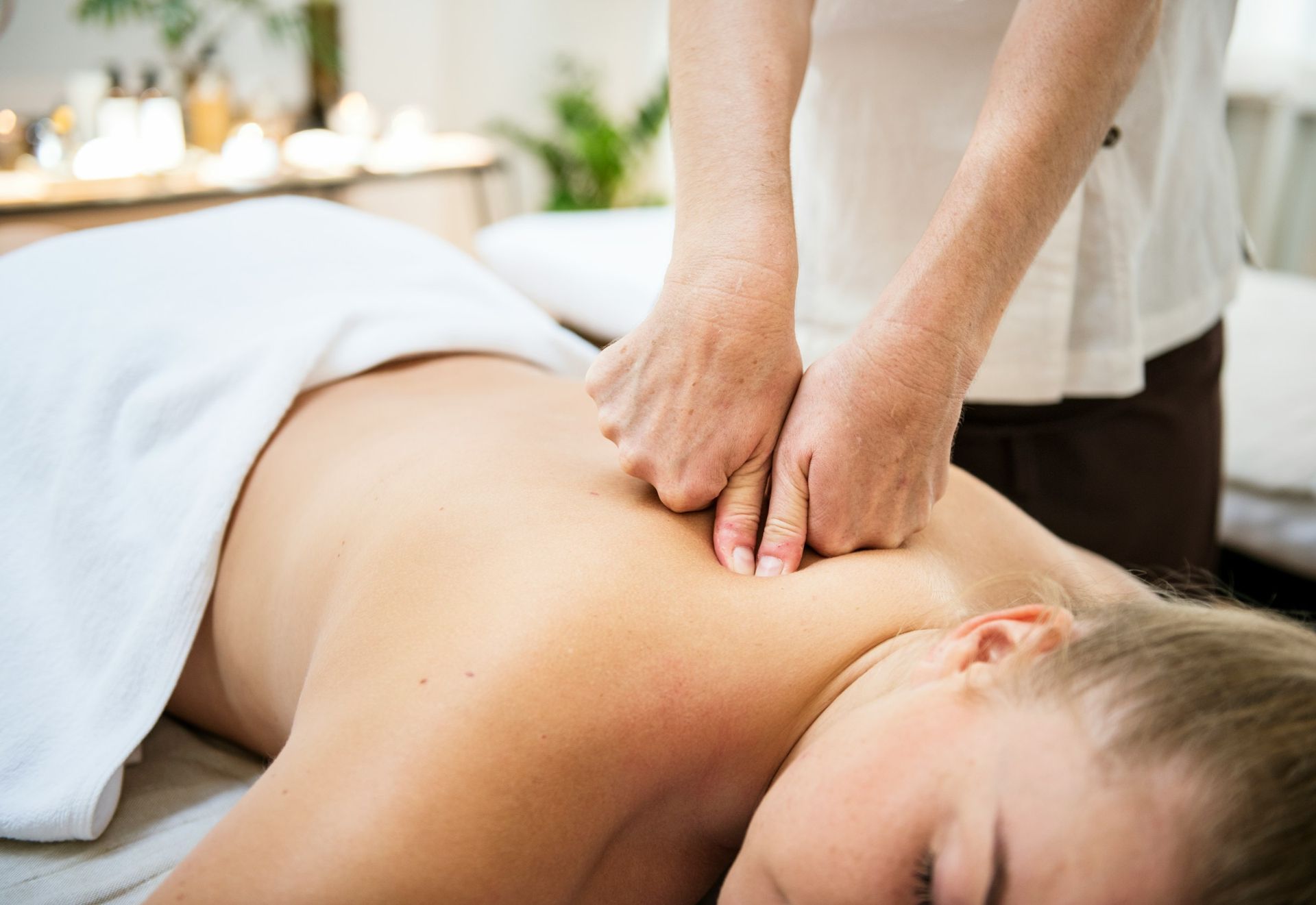
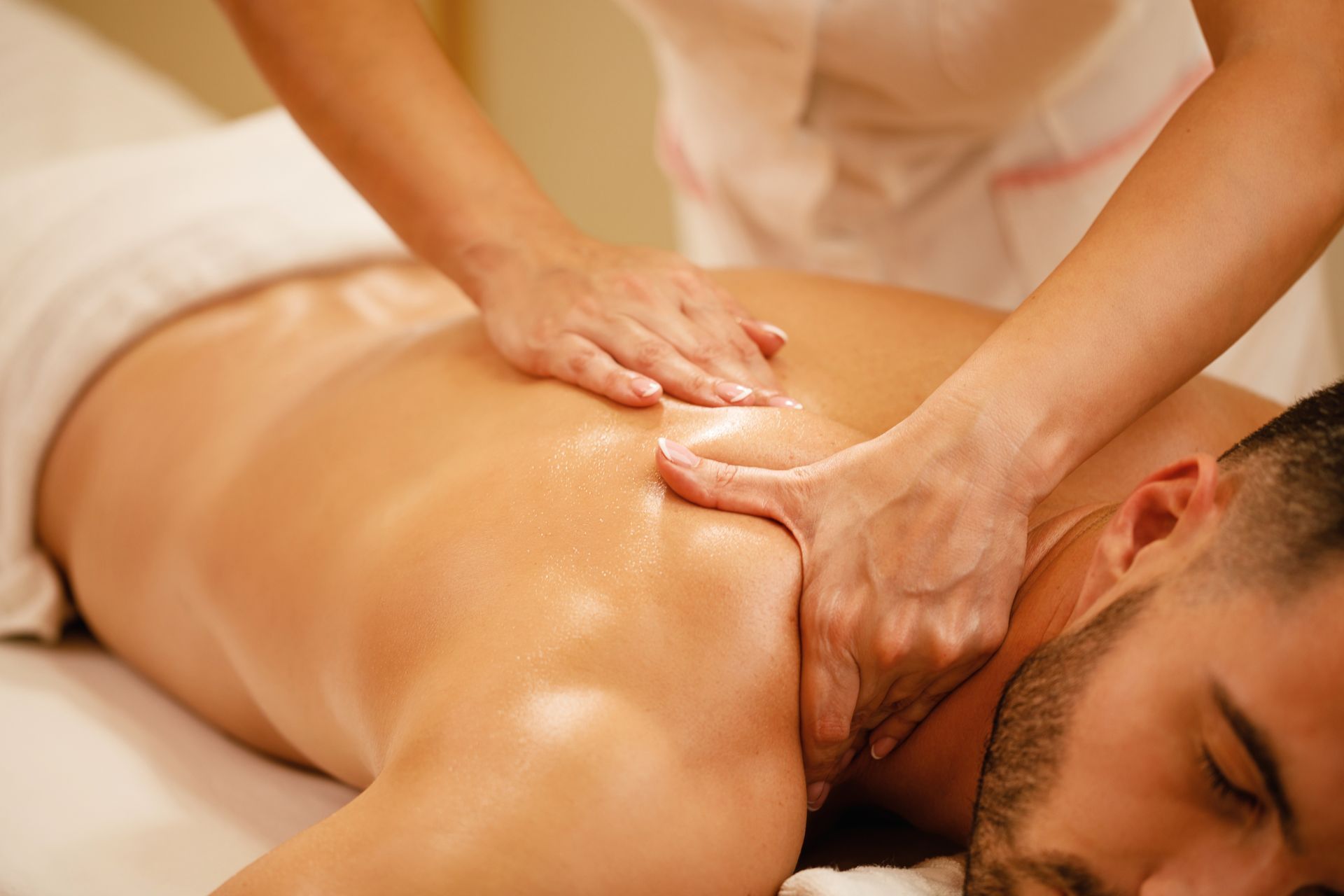
Traction pairs especially well with chiropractic adjustments and massage therapy. Massage helps relax tight muscles before or after traction, while chiropractic adjustments help restore proper joint motion once decompression has occurred.
Think of traction as creating space—and chiropractic and massage care as helping the body move and function better within that space.
Interested in Trying a Traction Table?
Our office is equipped with a traction table, and traction may be a great addition to your current treatment plan. If you’re dealing with back pain, neck pain, disc issues, or nerve-related symptoms, traction could be worth exploring.
Talk with one of our chiropractors at your next appointment to see if traction is appropriate for you. We’re always happy to answer questions and help you decide what tools and techniques best support your goals—so you can move better, feel better, and get back to doing what you love.
Bethany Wolcott
D’Youville Chiropractic ‘26