

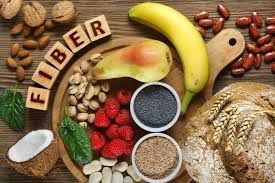
Fiber doesn’t get the flashy reputation of protein or the hype of supplements, but make no mistake—fiber is doing a lot of heavy lifting behind the scenes. From digestion and blood sugar control to inflammation and even musculoskeletal health, fiber plays a bigger role in how your body feels day to day than most people realize.
Yet most adults fall well short of the recommended daily intake. So let’s fix that. Here’s what fiber actually is, what it does in the body, where to find it, and why it matters—not just for your gut, but for your whole system.
What Is Fiber, Anyway?
Dietary fiber is a type of carbohydrate found in plant foods that your body can’t fully digest or absorb. Instead of being broken down and used for energy, fiber passes through your digestive system mostly intact—and that’s exactly what makes it so valuable.
Fiber comes in two main forms:
Soluble Fiber
- Dissolves in water and forms a gel-like substance
- Helps slow digestion
- Supports blood sugar control and cholesterol levels
- Found in foods like oats, beans, apples, citrus fruits, chia seeds, and flaxseed
Insoluble Fiber
- Does not dissolve in water
- Adds bulk to stool and helps move things along
- Supports regular bowel movements
- Found in whole grains, nuts, seeds, and many vegetables (especially skins)
Most fiber-rich foods contain a mix of both types, which is great—your body benefits from each in different ways.
What Does Fiber Do in the Body?
Fiber’s most famous job is keeping digestion regular, but that’s just the beginning.
1. Supports Digestive Health
Fiber helps:
- Prevent constipation
- Improve stool consistency
- Feed beneficial gut bacteria
A well-fed gut microbiome produces short-chain fatty acids that help regulate inflammation, immune function, and gut integrity. Translation: fiber helps your gut work with you, not against you.
2. Helps Regulate Blood Sugar
Soluble fiber slows the absorption of sugar into the bloodstream, which helps prevent sharp spikes and crashes in blood glucose. This is especially important for people managing insulin resistance, prediabetes, or energy slumps throughout the day.
3. Supports Heart Health
Fiber—particularly soluble fiber—can help lower LDL (“bad”) cholesterol by binding to cholesterol particles in the digestive tract and escorting them out of the body. Lower cholesterol levels are associated with reduced cardiovascular risk.
4. Aids in Weight Management
Fiber increases feelings of fullness and satiety, which can help reduce overall calorie intake without intentional restriction. High-fiber foods also tend to require more chewing and take longer to digest—giving your brain time to register that you’re full.
5. Helps Manage Inflammation
Chronic, low-grade inflammation plays a role in joint pain, stiffness, and many musculoskeletal conditions. Fiber supports a healthier gut environment, which is closely tied to systemic inflammation levels. A calmer gut can mean a calmer body.
Why Fiber Matters for Chiropractic and Massage Patients
So what does fiber have to do with your spine, joints, and muscles? More than you might think.
- Reduced inflammation can support joint comfort and tissue recovery
- Improved nutrient absorption helps your body better utilize vitamins and minerals needed for muscle and connective tissue health
- Better gut health can influence pain perception and nervous system regulation
If your body is inflamed, under-fueled, or struggling with digestion, it can absolutely affect how you feel physically—and how well you respond to hands-on care like chiropractic adjustments or massage therapy.
How Much Fiber Do You Need?
General daily recommendations:
- Women: ~25 grams per day
- Men: ~38 grams per day
Most people average closer to 10–15 grams daily, which means there’s a big opportunity for improvement. The key is increasing fiber gradually and drinking enough water to avoid bloating or discomfort.
Top Food Sources of Fiber
Here are some fiber all-stars to work into your routine:
Fruits
- Raspberries (8g per cup)
- Pears
- Apples (with the skin!)
- Oranges
- Bananas (especially slightly green)
Vegetables
- Broccoli
- Brussels sprouts
- Carrots
- Sweet potatoes (skin on)
- Leafy greens
Whole Grains
- Oats
- Quinoa
- Brown rice
- Barley
- Whole grain bread and pasta (check labels!)
Legumes
- Lentils
- Chickpeas
- Black beans
- Kidney beans
- Split peas
Nuts & Seeds
- Chia seeds
- Flaxseed
- Almonds
- Pumpkin seeds
What About Fiber Supplements?
Fiber supplements (like psyllium husk or methylcellulose) can be helpful in certain situations, especially for people struggling to meet their needs through food alone. That said, whole foods provide additional nutrients, antioxidants, and gut-supporting compounds that supplements don’t replicate.
If you’re considering a supplement, it’s best to discuss it with a healthcare provider—especially if you have digestive conditions or are managing blood sugar or cholesterol levels.
Tips for Increasing Fiber Without Upsetting Your Gut
- Increase intake slowly over 1–2 weeks
- Drink more water as fiber intake rises
- Spread fiber across meals instead of loading it all at once
- Mix raw and cooked vegetables
- Pay attention to how your body responds
Some temporary gas or bloating can happen at first—this usually settles as your gut adapts.
The Bottom Line
Fiber may not be flashy, but it’s foundational. It supports digestion, heart health, blood sugar balance, inflammation control, and even how your body feels day to day. For patients receiving chiropractic or massage care, optimizing fiber intake can be one more way to support overall comfort, recovery, and long-term wellness.
If you’re curious about how nutrition, movement, and hands-on care can work together to help you feel your best, talk with one of our providers at your next visit. Sometimes small changes—like adding more fiber—can make a surprisingly big difference.
Your gut (and your spine) will thank you.
Bethany Wolcott
D’Youville Chiropractic ‘26