

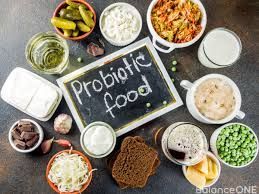
If you’ve ever wandered down the supplement aisle or scrolled past a wellness influencer, you’ve probably seen the words probiotic and prebiotic tossed around like everyone automatically knows what they mean. They sound similar, they’re often mentioned together, and yet they serve very different roles in your body.
Understanding the difference between probiotics and prebiotics—and why both matter—can help you make smarter choices for digestion, immunity, inflammation, and even musculoskeletal health. Let’s break it down.
What Is the Gut Microbiome?
Before we get into probiotics and prebiotics, it helps to understand the gut microbiome. Your gut is home to trillions of microorganisms, including bacteria, fungi, and viruses. When balanced, these microbes help:
- Digest food
- Produce certain vitamins
- Regulate immune function
- Influence inflammation levels
- Communicate with the nervous system
When that balance is disrupted—due to stress, poor diet, illness, antibiotics, or lack of sleep—you may experience digestive discomfort, fatigue, brain fog, increased inflammation, or slower recovery from injury.
This is where probiotics and prebiotics come in.
What Are Probiotics?
Probiotics are live, beneficial bacteria that support a healthy gut environment. Think of them as reinforcements for your microbiome—adding more “good” bacteria to the mix.
Without prebiotics, probiotics have a harder time surviving and thriving.
Why Prebiotics Matter
Prebiotics help by:
- Supporting the growth of beneficial gut bacteria
- Improving digestion and bowel regularity
- Supporting blood sugar regulation
- Helping reduce gut inflammation
- Enhancing mineral absorption, including calcium and magnesium
In other words, prebiotics help your existing microbiome work more efficiently.
Common Sources of Prebiotics
Prebiotics are found naturally in many plant-based foods, especially those high in fiber.
Food Sources
- Garlic
- Onions
- Leeks
- Asparagus
- Bananas (especially slightly underripe)
- Oats
- Apples
- Chicory root
- Flaxseed
Most people consume far fewer prebiotics than recommended, largely due to low fiber intake.
Supplements
Prebiotic supplements often contain fibers like inulin, fructooligosaccharides (FOS), or galactooligosaccharides (GOS). While helpful, they can sometimes cause bloating or gas if introduced too quickly—starting slow is key.
Probiotics vs. Prebiotics: The Key Differences
| Probiotics | Prebiotics |
|---|---|
| Live beneficial bacteria | Fiber that feeds good bacteria |
| Add bacteria to the gut | Support existing bacteria |
| Found in fermented foods and supplements | Found in fiber-rich plant foods |
| Help restore balance | Help maintain balance |
They work best together, not as an either-or choice.
Why Gut Health Matters for Chiropractic and Massage Patients
Gut health isn’t just about digestion. The gut and nervous system are deeply connected, and inflammation originating in the gut can affect the entire body.
For chiropractic and massage patients, balanced gut health may support:
- Reduced systemic inflammation
- Improved muscle recovery after workouts or treatment
- Better sleep quality
- Improved stress resilience
- Healthier immune responses
Chronic stress—common in people dealing with pain—can negatively impact gut bacteria. Massage therapy has been shown to help reduce stress hormones, while chiropractic care supports nervous system regulation. Pairing these therapies with supportive nutrition habits can help the body recover more efficiently.
Do You Need Both?
In most cases, yes.
Taking probiotics without prebiotics is like planting seeds without watering them. Eating fiber-rich foods without enough beneficial bacteria may limit how effective that fiber is.
A balanced approach includes:
- Eating fermented foods regularly
- Increasing fiber intake gradually
- Staying hydrated
- Managing stress
- Getting adequate sleep
Supplements can be helpful, but they’re not a replacement for consistent lifestyle habits.
A Few Practical Tips to Get Started
- Start slow: Increasing fiber too quickly can cause bloating. Gradual changes are easier on the gut.
- Diversity matters: Eating a variety of plant foods supports a more resilient microbiome.
- Read labels: Look for “live cultures” on fermented foods.
- Be patient: Gut changes take time—weeks, not days.
- Talk to a professional: Especially if you have digestive conditions, autoimmune issues, or are on medications.
The Bottom Line
Probiotics and prebiotics play different but equally important roles in gut health. Probiotics add beneficial bacteria, while prebiotics help those bacteria thrive. Together, they support digestion, immune health, inflammation control, and overall recovery.
At the end of the day, gut health isn’t about chasing trends—it’s about supporting your body with consistent, evidence-informed choices. If you’re curious how nutrition, chiropractic care, and massage therapy can work together to support your health goals, our team is always happy to help guide the conversation.
Your gut—and your muscles—will thank you.
Bethany Wolcott
D’Youville Chiropractic ‘26