
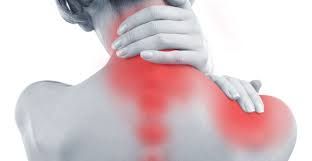
Have you ever noticed back tension when you’re stressed, or neck stiffness that seems to flare up when you’re not feeling well? While it may seem coincidental, there’s a fascinating neurological explanation behind these patterns: the viscerosomatic reflex.
Understanding the viscerosomatic reflex helps explain why internal organ dysfunction can show up as muscle tension, pain, or restricted movement—and why chiropractic and massage care can play a valuable role in managing these patterns. Let’s break it down.
What Is the Viscerosomatic Reflex?
The viscerosomatic reflex is a neurological phenomenon where irritation or dysfunction in an internal organ (viscera) causes a response in the musculoskeletal system (soma). This response often presents as muscle tightness, tenderness, altered joint motion, or postural changes.
This happens because internal organs and certain muscles share common spinal nerve pathways. When an organ sends distress signals to the spinal cord, the nervous system may “spill over” into nearby muscles, causing them to contract or become hypersensitive—even though the muscle itself isn’t injured.
In short:
Organ stress → nervous system response → muscle and joint changes
How the Nervous System Connects It All
To understand the viscerosomatic reflex, it helps to look at the anatomy of the nervous system.
- Internal organs send sensory information to the spinal cord through visceral afferent nerves
- Muscles, joints, and skin send sensory input through somatic afferent nerves
- These nerve fibers often enter the spinal cord at the same spinal levels
When the spinal cord receives repeated or intense signals from an organ, it can increase motor output to muscles at that same level. Over time, this may result in:
- Chronic muscle tension
- Trigger points
- Reduced joint mobility
- Localized pain or discomfort
This is not a conscious process—it’s an automatic protective reflex controlled by the nervous system.
Common Examples of the Viscerosomatic Reflex
The viscerosomatic reflex follows predictable patterns known as segmental relationships. Here are some common examples seen in clinical settings:
1. Heart → Upper Back and Left Shoulder
Cardiac irritation is classically associated with discomfort in:
- Upper thoracic spine (T1–T5)
- Left shoulder and arm
- Chest wall muscles
While this pattern is most often discussed in medical emergencies, mild or chronic irritation can also contribute to persistent upper back tension.
2. Stomach → Mid-Back (Left Side)
Stomach irritation may refer to:
- Mid-thoracic spine (T5–T9)
- Left-sided paraspinal muscle tightness
Patients may notice stiffness or aching between the shoulder blades, especially during periods of digestive upset or stress.
3. Liver and Gallbladder → Right Shoulder and Mid-Back
The liver and gallbladder are commonly associated with:
- Right mid-back tension
- Right shoulder or upper trapezius tightness
This pattern can mimic muscular strain and may persist despite stretching alone.
4. Kidneys → Lower Back
Kidney-related irritation often refers to:
- Lower thoracic and upper lumbar spine (T10–L2)
- Deep, aching low back discomfort
This pain may feel different from mechanical low back pain and may not change significantly with movement.
5. Intestines → Low Back and Pelvis
Digestive organs can influence:
- Lumbar spine
- Pelvic musculature
- Hip flexors
This connection helps explain why bloating, constipation, or GI distress can coincide with low back stiffness.
Why These Reflexes Can Become Chronic
In acute situations, viscerosomatic reflexes are protective. However, when organ stress becomes chronic, the nervous system may remain in a heightened state.
Over time, this can lead to:
- Persistent muscle guarding
- Joint fixation
- Reduced spinal mobility
- Heightened pain sensitivity
Even after the original organ irritation improves, the musculoskeletal pattern may linger—essentially becoming “learned” by the nervous system.
This is where conservative care can make a meaningful difference.
How Chiropractic and Massage Care Can Help
While chiropractic and massage therapy do not treat internal organ disease, they can address the <strong>musculoskeletal consequences</strong> of viscerosomatic reflexes.
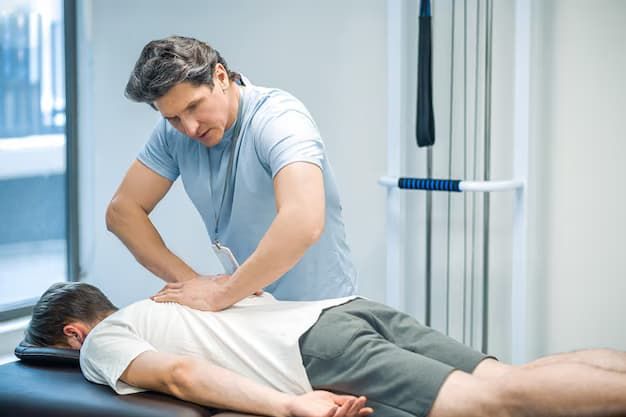
Chiropractic Care
Chiropractic adjustments focus on restoring normal joint motion and reducing abnormal nervous system signaling. When spinal segments associated with viscerosomatic reflexes are restricted, adjustments may help:
- Improve joint mobility
- Reduce reflexive muscle guarding
- Normalize neurological input
- Improve movement efficiency
By addressing spinal dysfunction at specific segmental levels, chiropractors aim to reduce unnecessary nervous system stress.
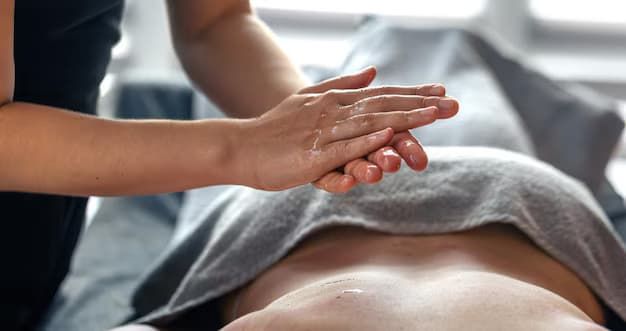
Massage Therapy
Massage therapy is especially effective for calming the somatic side of the reflex.
Benefits may include:
- Reducing muscle hypertonicity
- Improving local circulation
- Decreasing trigger point sensitivity
- Supporting parasympathetic (rest-and-digest) nervous system activity
Techniques such as deep tissue work, myofascial release, and trigger point therapy can help break the cycle of chronic muscle tension driven by reflexive pathways.
The Stress Connection
Stress deserves special attention when discussing viscerosomatic reflexes.
Chronic stress increases sympathetic nervous system activity, which:
- Alters digestion
- Changes breathing patterns
- Increases muscle tone
- Sensitizes pain pathways
This creates a feedback loop where stress affects organ function, organ signals affect muscles, and muscle tension reinforces stress. Chiropractic and massage care can help interrupt this loop by improving movement and promoting nervous system balance.
When to Seek Additional Medical Care
It’s important to note that unexplained pain—especially when accompanied by symptoms such as fever, unexplained weight loss, severe fatigue, or digestive changes—should always be evaluated by a medical provider.
Chiropractic and massage therapy work best as part of a <strong>collaborative, patient-centered approach,</strong> supporting musculoskeletal health alongside appropriate medical care.
Bringing It All Together
The viscerosomatic reflex highlights just how interconnected the body truly is. Pain doesn’t always originate where you feel it, and tight muscles aren’t always caused by poor posture or overuse alone.
By understanding these neurological connections, chiropractors and massage therapists can take a more informed approach—looking beyond isolated symptoms and addressing patterns that may be driven by the nervous system itself.
If you’re dealing with stubborn muscle tension, recurring spinal stiffness, or pain that doesn’t quite follow the usual rules, the viscerosomatic reflex may be part of the story—and conservative care may help calm the system and restore healthier movement.
Bethany Wolcott
D’Youville Chiropractic ‘26