


Chiropractic care and massage therapy are different approaches that address different aspects of musculoskeletal health. At Peak Performance Chiropractic & Wellness, we often see the greatest benefit when chiropractic care and massage therapy are used as complementary parts of a broader treatment plan.
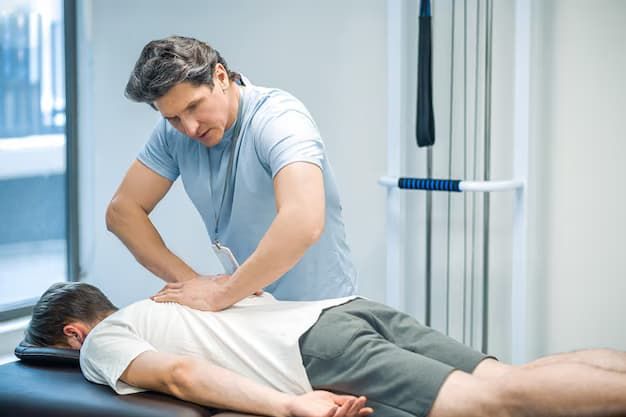
Learn how breathing patterns may contribute to persistent muscle tension and what your movement, posture, and daily habits may reveal.

Osteoarthritis: Understanding the "Wear and Tear" Joint Disease and How Chiropractic Care Can Help

One of the most common injuries after a sudden impact is whiplash, a neck injury that occurs when the head is rapidly forced forward and backward. At Peak Performance Chiropractic, we often see patients in Buffalo, NY and the surrounding WNY area who are dealing with neck pain, stiffness, headaches, and other symptoms
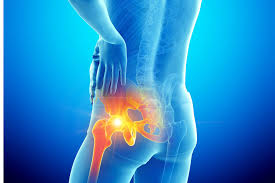
Hip Pain: What Your Symptoms Might Be Telling You
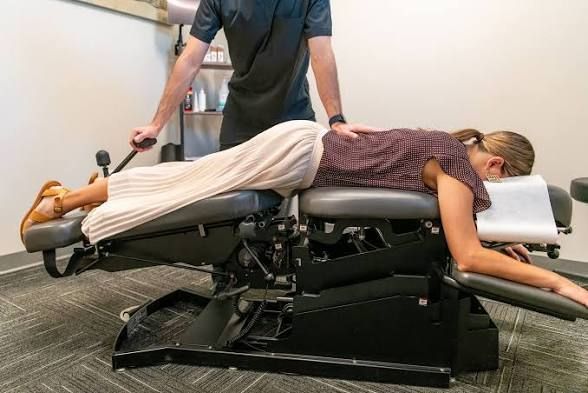
Flexion & Distraction: A Gentle, Targeted Approach to Spine Care

Imaging 101: Understanding X-Rays, MRIs, CT Scans, and Ultrasound

Searching for the best chiropractor in Buffalo? We provide affordable, expert chiropractic care for back pain, sports injuries, and more. Schedule your visit now.
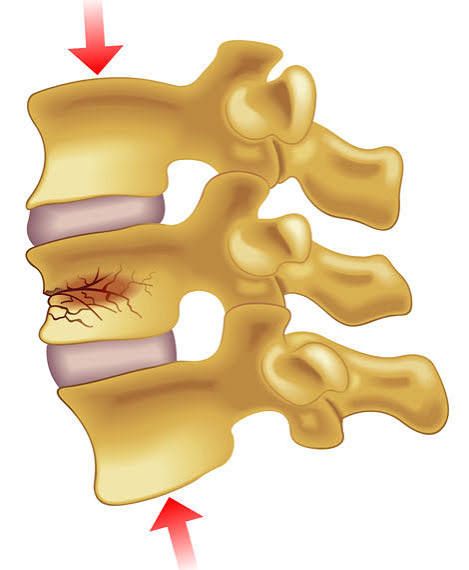
Back pain can show up in a lot of different ways — tight and achy after yardwork, sharp and stabbing after lifting something heavy, or stiff after a long day at your desk. But sometimes, back pain has a deeper structural cause. One of those causes? A compression fracture of the spine. If that sounds intimidating, take a breath. Let’s break down what a compression fracture actually is, who’s at risk, what it feels like, and how chiropractic and massage care can play a role in recovery. What Is a Compression Fracture? Your spine is made up of stacked bones called vertebrae. Think of them like a column of sturdy blocks designed to support your body, absorb shock, and protect your spinal cord. A compression fracture occurs when one of those vertebrae collapses or is compressed more than it should be. Instead of maintaining its normal rectangular shape, the front part of the bone can collapse, creating a wedge shape. These fractures most commonly occur in the thoracic spine (mid-back) and the lumbar spine (low back). What Causes a Compression Fracture? There are three primary causes: 1. Osteoporosis The most common cause of spinal compression fractures is osteoporosis — a condition where bone density decreases, making bones more fragile. As bone weakens, it doesn’t take much force to cause a fracture. Something as simple as bending forward, lifting a grocery bag, or even coughing can lead to a vertebral compression fracture in someone with significant bone loss. Postmenopausal women are particularly at risk due to hormonal changes that accelerate bone loss. Men can develop osteoporosis too, especially with aging or certain medical conditions. 2. Trauma High-impact events like car accidents, sports injuries, or significant falls can cause compression fractures — even in people with healthy bone density. 3. Pathologic Causes Less commonly, conditions such as tumors, infection, or certain cancers that spread to bone can weaken a vertebra and lead to fracture. What Does a Compression Fracture Feel Like? Symptoms can vary depending on the severity of the fracture and whether it’s acute (new) or older. Common symptoms include: Sudden onset of back pain Pain that worsens with standing or walking Pain that improves when lying down Limited spinal mobility Tenderness over a specific vertebra Gradual loss of height Increased forward curvature of the upper back (kyphosis) Some compression fractures, particularly those related to osteoporosis, can occur with minimal pain at first. Over time, multiple fractures can lead to a stooped posture and chronic discomfort. If there is numbness, weakness, or changes in bowel or bladder function, that’s a medical emergency and requires immediate evaluation. How Are Compression Fractures Diagnosed? Diagnosis typically involves: A detailed history Physical examination Imaging such as X-ray, MRI, or CT scan Imaging helps determine the age of the fracture and whether it is stable or unstable. It also helps rule out more serious causes such as infection or malignancy. If osteoporosis is suspected, a bone density scan (DEXA) may be recommended to assess overall bone health. Treatment Options Treatment depends on the cause, severity, and stability of the fracture. Conservative (Non-Surgical) Care Most stable compression fractures are treated conservatively, including: Activity modification Bracing (in some cases) Pain management Physical therapy Bone-strengthening medications (if osteoporosis is present) Healing typically takes about 8–12 weeks, though discomfort may linger longer. Surgical Options In certain cases, minimally invasive procedures such as vertebroplasty or kyphoplasty may be considered. These procedures involve injecting medical cement into the vertebra to stabilize it. Surgery is generally reserved for fractures that cause severe pain, instability, or neurological compromise. Where Does Chiropractic Care Fit In? This is an important question. Chiropractic care is not used to adjust or manipulate a fractured vertebra. If a compression fracture is acute and unstable, spinal manipulation in that area is contraindicated. However, chiropractic care can play a supportive role in recovery once the fracture is stable and healing. Here’s how: 1. Addressing Adjacent Joint Dysfunction When one vertebra is injured, the joints above and below it often compensate. This can lead to stiffness, muscle guarding, and secondary pain. Gentle, appropriate techniques may help restore motion to surrounding areas — without stressing the fracture site. 2. Postural Support Compression fractures, especially multiple ones, can contribute to increased thoracic kyphosis (forward rounding of the upper back). Chiropractors can provide guidance on posture correction and strengthening exercises to support spinal alignment. 3. Movement-Based Rehabilitation Once cleared, targeted exercises can improve core stability, spinal endurance, and balance — all critical for preventing future falls and fractures. 4. Bone Health Education Our evidence-informed chiropractic office will discuss nutrition, resistance training, vitamin D status, and lifestyle factors that impact bone density. The Role of Massage Therapy Massage therapy can be incredibly helpful — with the right approach. In the acute phase, deep tissue work directly over the fracture site is not appropriate. However, gentle soft tissue work can: Reduce muscle guarding Improve circulation Decrease compensatory tension in surrounding areas Promote relaxation (which reduces pain perception) As healing progresses, massage can help address chronic muscle tightness that develops from protective patterns and altered posture. Preventing Future Compression Fractures Prevention is key — especially for those with osteoporosis. Here are evidence-based strategies: Strength Training Weight-bearing and resistance exercises stimulate bone remodeling. Lifting weights (safely and progressively) helps maintain bone density. Balance Training Falls are a major cause of fractures. Exercises that improve balance and proprioception reduce fall risk. Nutrition Adequate protein, calcium, vitamin D, and overall nutrient intake support bone health. Avoid Smoking Smoking negatively impacts bone density and healing capacity. Routine Screening If you’re over 50, especially postmenopausal, discuss bone density screening with your primary care provider. When to Seek Evaluation You should seek medical evaluation if you experience: Sudden unexplained back pain Back pain after a fall Loss of height Increasing spinal curvature Neurological symptoms Early diagnosis makes a difference. Untreated compression fractures can lead to chronic pain, deformity, and additional fractures. The Bottom Line A compression fracture of the spine sounds dramatic — and sometimes it is. But many cases can be managed successfully with conservative care, movement-based rehabilitation, and attention to bone health. At our office, we take an evidence-informed approach to spine care. If you’ve been diagnosed with a compression fracture — or you’re experiencing new back pain and aren’t sure what’s going on — we’re here to help guide you. We’ll coordinate with your medical team when needed, modify care appropriately, and focus on helping you move safely and confidently again. If you have questions about your spine health, talk with one of our chiropractors at your next appointment. Your back supports you every day — let’s make sure you’re supporting it right back. Bethany Wolcott D’Youville Chiropractic ‘26
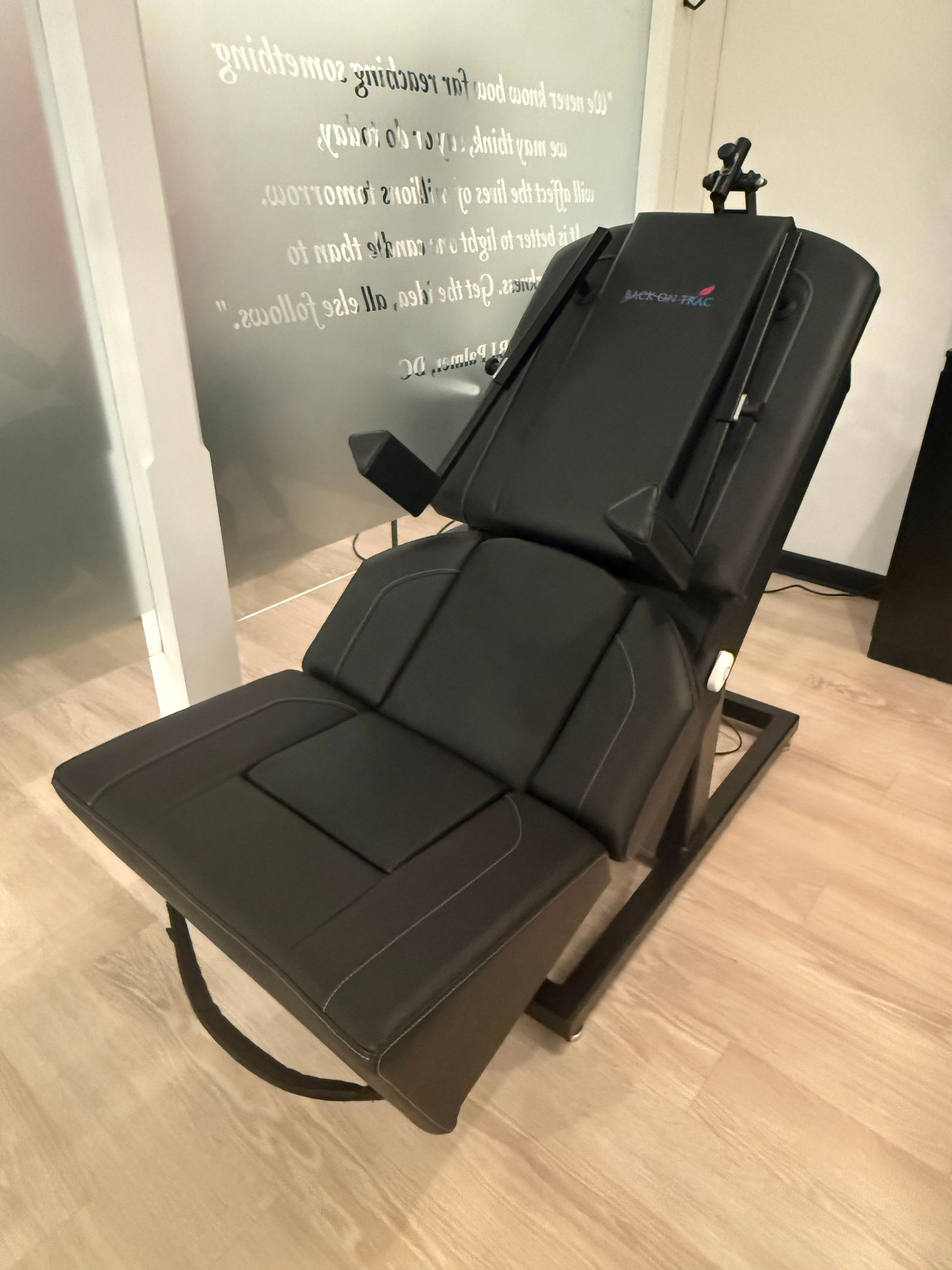
If you’ve ever called our office and asked, “Do you have availability for the chair?”—you’re not alone. At this point, the Back-on-Trac Decompression Chair has become something of a local legend. The name may sound intimidating (we promise, no medieval contraptions here), but the experience is quite the opposite. Comfortable, relaxing, and surprisingly gentle, this chair has earned its reputation as one of our most requested therapies. So what’s all the hype about? Let’s take a closer look at why the Back-on-Trac has become a favorite for patients dealing with back and neck pain—and why it might be exactly what your spine has been asking for. Why Spinal Compression Is Such a Big Deal Modern life is not especially spine-friendly. Long hours sitting at desks, staring down at phones, commuting, lifting kids, exercising without enough recovery, and even stress can all add up. Over time, these daily demands compress the spine, especially the discs that sit between each vertebra. These discs are meant to act like shock absorbers, but when they’re under constant pressure, they can lose hydration, bulge, or irritate nearby nerves. That’s when symptoms like stiffness, aching, sharp pain, numbness, or tingling start to show up—and they don’t always go away on their own. This is where decompression therapy comes in. Decompression Therapy: Creating Space to Heal Decompression therapy is a non-surgical, non-invasive approach designed to gently reduce pressure on the spine. Instead of forcing movement or aggressively stretching tissues, decompression works by slowly and carefully creating space between the vertebrae. The Back-on-Trac chair does exactly that. By applying a controlled, gradual stretch, it helps relieve pressure on spinal discs and nerves, encouraging improved circulation and nutrient flow to the area. When pressure is reduced, the body finally gets a chance to do what it does best—heal. A helpful way to think about it: if your spine has been feeling “compressed” by life, decompression therapy gives it room to breathe again. What It’s Like to Use the Back-on-Trac Chair One of the reasons patients love the Back-on-Trac is how comfortable and approachable it feels. You’re seated upright in a supportive chair, secured with straps to ensure proper positioning. Once the session begins, the chair applies a gentle traction force tailored to your body and condition. There’s no sudden pulling, twisting, or cracking. Most people describe the sensation as a deep, relieving stretch—often followed by a feeling of lightness or relaxation. Many patients are surprised by how calming the experience is, especially if they came in expecting something intense. Sessions are typically short, making it easy to fit into your day, and there’s no downtime afterward. You can return to work, errands, or other treatments feeling looser and more comfortable. Who Can Benefit from Back-on-Trac Decompression? Decompression therapy is especially helpful for people whose pain is rooted in disc or nerve compression. Some common conditions we see improvement with include: Herniated or Bulging Discs When discs push outward and irritate nearby nerves, pain can radiate into the arms or legs. Decompression can help reduce that pressure, easing symptoms like sharp pain, tingling, or numbness. Sciatica Pain that travels from the lower back into the hip or leg is often caused by compression of the sciatic nerve. By relieving spinal pressure, decompression therapy may help calm irritated nerves and reduce radiating pain. Degenerative Disc Changes As discs naturally lose hydration with age, the spine can become stiff and painful. Decompression helps offload stressed discs and supports healthier movement patterns. Spinal Stenosis Narrowing of the spinal canal can compress nerves and cause discomfort or weakness. Gentle decompression may help create more space and reduce symptom flare-ups. Chronic Back or Neck Tension Even without a formal diagnosis, everyday aches from posture, overuse, or stress can respond well to decompression therapy. More Than Pain Relief: The Bigger Benefits While pain relief is often the first thing people notice, decompression therapy offers benefits that go beyond symptom management. It’s drug-free. No medications, injections, or reliance on painkillers. It’s non-invasive. No surgery, no recovery period, no risks associated with invasive procedures. It supports long-term spinal health. By improving disc hydration and reducing ongoing compression, decompression therapy can help prevent recurring issues. It pairs well with chiropractic and massage care. Many patients find that decompression enhances the results of adjustments and soft-tissue work by preparing the spine to move more freely. Think of the Back-on-Trac as part of a bigger picture—one tool in a comprehensive approach to caring for your spine. Why an Initial Chiropractic Visit Matters Before hopping into the Back-on-Trac chair, we always start with an appointment with one of our chiropractors. This step is essential. Not every condition is appropriate for decompression, and we want to make sure it’s both safe and effective for you. During your initial visit, your chiropractor will review your health history, assess your spine, and determine whether decompression therapy fits into your personalized care plan. Once you’re cleared, you can schedule Back-on-Trac sessions with confidence, knowing your care is tailored to your body’s needs. We currently offer Back-on-Trac at both of our locations, making it easy to access this popular therapy. Is the Back-on-Trac Right for You? If you’ve been living with back or neck pain, feeling stiff when you wake up, or noticing that everyday activities are becoming less comfortable, decompression therapy may be worth exploring. The Back-on-Trac chair is gentle, effective, and designed to support healing—not just mask symptoms. Sometimes, the most powerful changes come from giving your body the space it needs. Ready to Try “The Chair”? The Back-on-Trac Decompression Chair has helped countless patients find relief, improve mobility, and feel more at ease in their bodies. If you’re curious about whether it’s right for you, we’d love to help. Schedule your initial chiropractic appointment today, and take the first step toward a spine that feels supported, decompressed, and ready for whatever life throws your way. Bethany Wolcott D’Youville Chiropractic ‘26
