
Blog


Can massage therapy help sports recovery
July 4, 2026
Learn why some athletes recover faster after intense training and how massage therapy can support muscle recovery, mobility, and athletic performance.
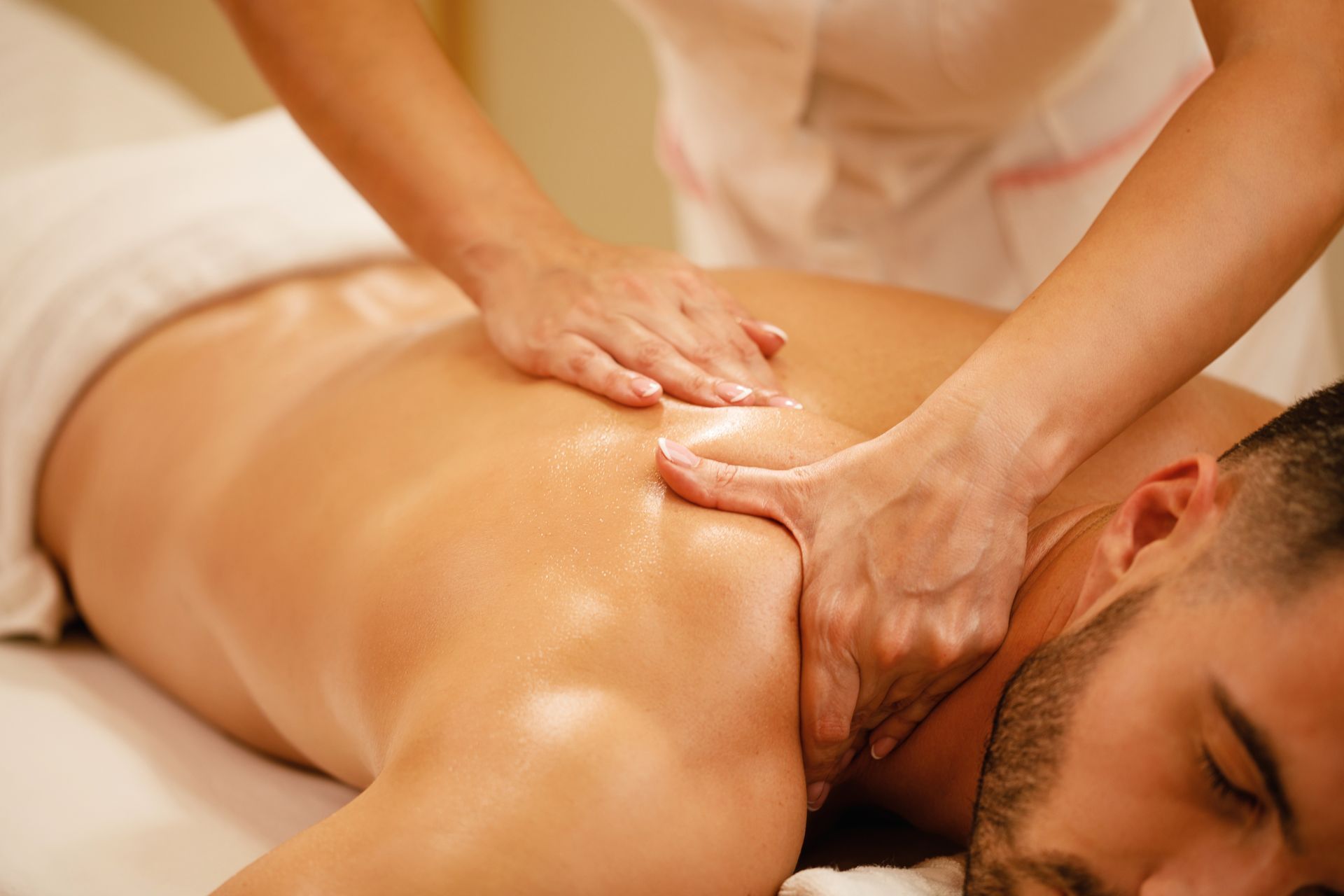
Can massage therapy help muscle knots
By S21 GMB July 3, 2026
Learn why muscle knots keep returning after stretching and discover how targeted treatment can relieve tension and support lasting muscle health.

 whiplash, a neck injury that occurs when the head is rapidly forced forward and backward
By S21 GMB July 2, 2026
One of the most common injuries after a sudden impact is whiplash, a neck injury that occurs when the head is rapidly forced forward and backward. At Peak Performance Chiropractic, we often see patients in Buffalo, NY and the surrounding WNY area who are dealing with neck pain, stiffness, headaches, and other symptoms
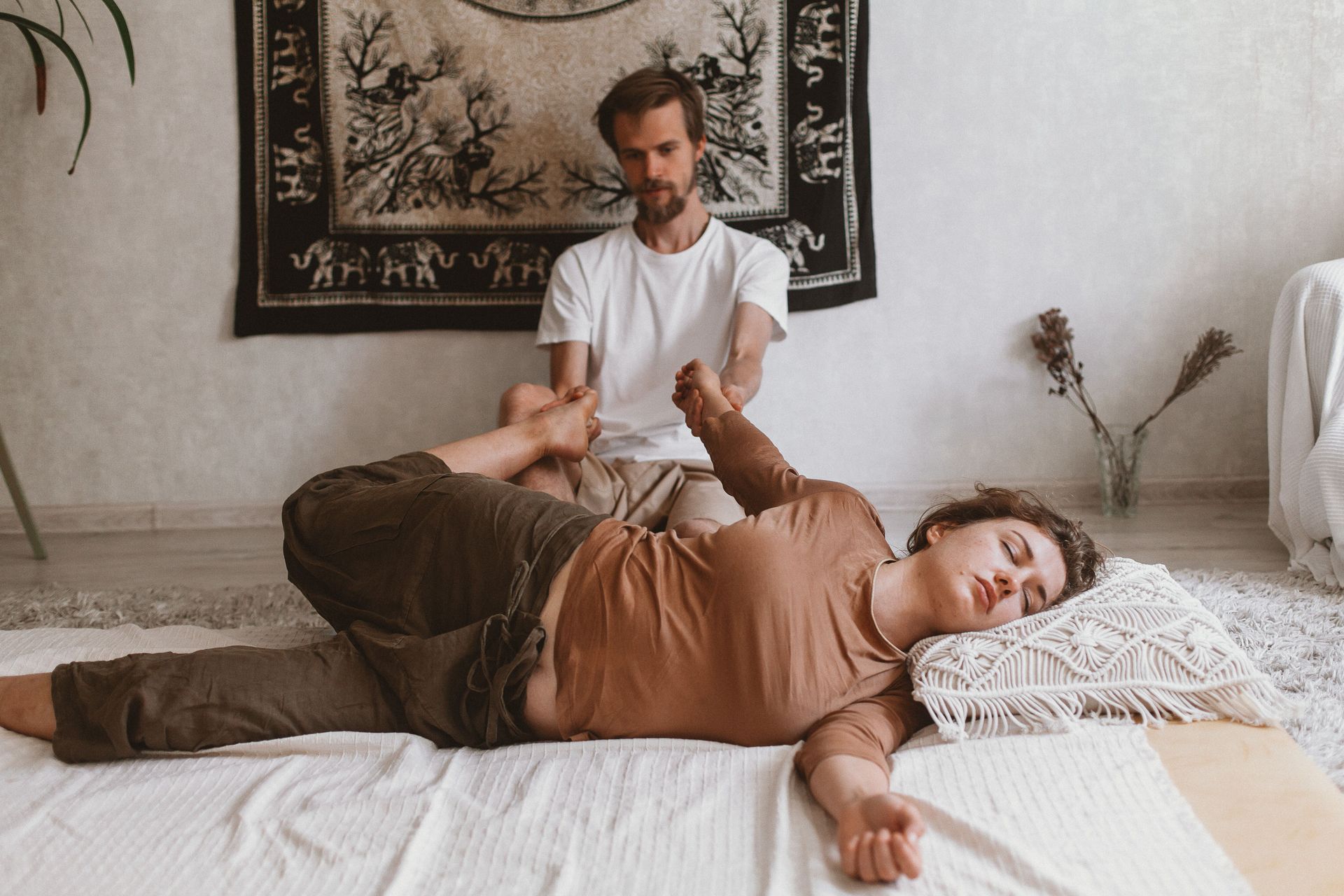
Table Thai Massage
By S21 GMB June 26, 2026
At Peak Performance Chiropractic, we are always looking for evidence-informed ways to help our patients and community improve movement, reduce muscle tension, and support their overall health. We are excited to introduce Table Thai massage with our Licensed Massage Therapist, Chris

couples massage near me
By S21 GMB June 25, 2026
Discover how couples massage near me helps reduce burnout, ease stress, and restore connection through shared therapeutic wellness care.
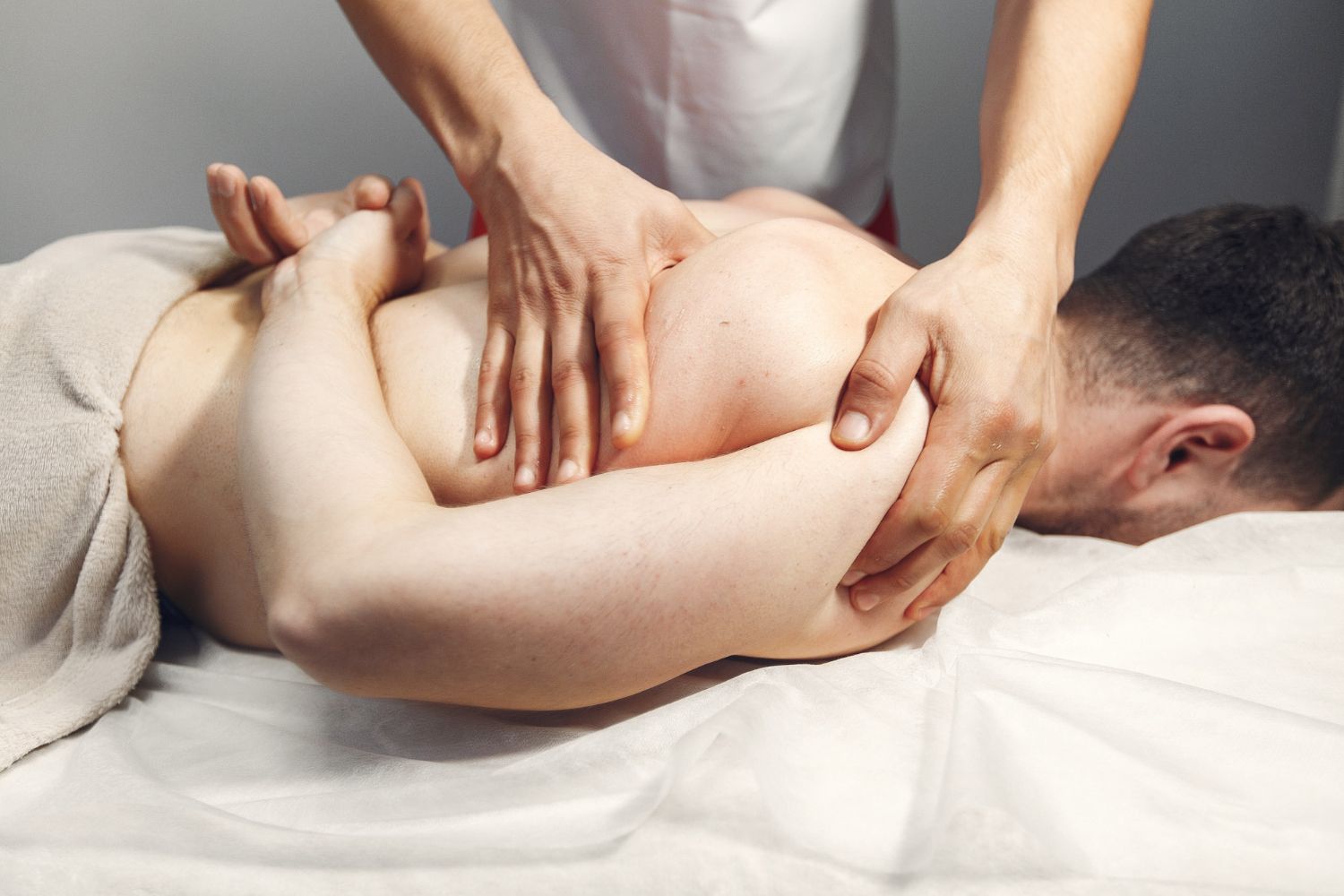
deep tissue massage in Hamburg
By S21 GMB June 17, 2026
Discover 7 strange body reactions after a deep tissue massage in Hamburg and what they mean for recovery, healing, and overall wellness.
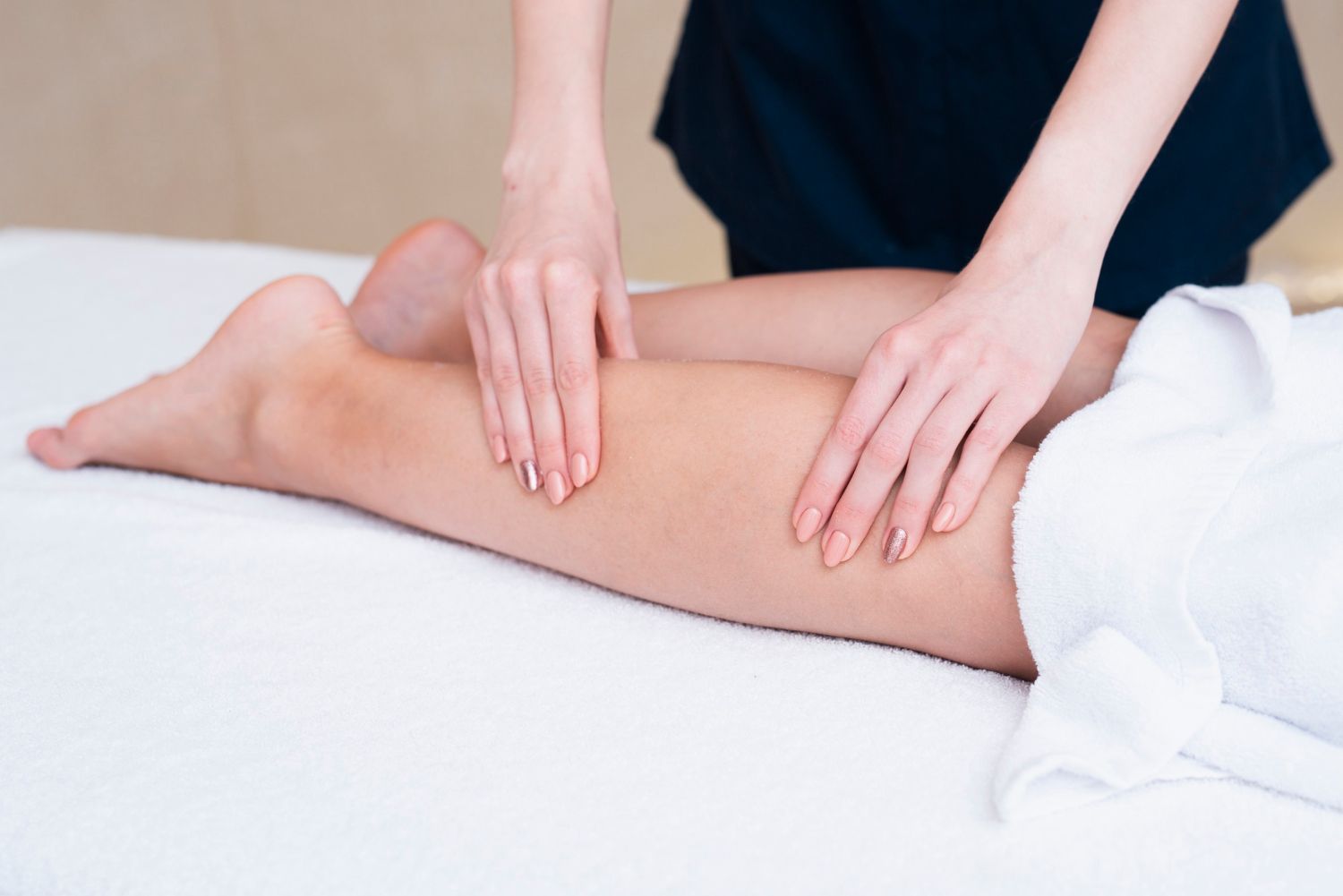
benefits of lymphatic drainage massage
By S21 GMB June 2, 2026
Explore the benefits of lymphatic drainage massage for remote workers. Improve circulation, reduce swelling, and support daily wellness naturally.

By S21 GMB May 15, 2026
If you've ever stood in the recovery aisle at a sporting goods store or scrolled through fitness content online, you've probably asked yourself: Do I really need all of this? Foam rollers, massage guns, lacrosse balls, mobility tools... and then there's professional massage therapy sitting on the other end of the spectrum. So what's actually worth your time (and money)? And more importantly—what's going to help you feel better and move better? Let's break it down in a way that actually makes sense. First, What Are We Trying to Accomplish? Before we compare tools; it's important to understand the goal. Most people are using foam rollers or booking massages because they want to: Reduce muscle tightness Improve mobility Decrease soreness Recover faster from workouts Feel less stiff during the workday All solid goals. The question is: which approach gets you there most effectively—and when? Foam Rolling: The DIY Approach Foam rolling (a form of self-myofascial release) is essentially a way to apply pressure to your own muscles using your body weight. You roll over tight areas, pause on tender spots, and hope for that "good hurt" feeling that signals something is happening. The pros: It's accessible —you can do it anytime It's relatively inexpensive It gives you some control over pressure and location It can be a great warm-up or cool-down tool The limitations: It's hard to fully relax while supporting your own body weight You can't easily target certain areas (looking at you, upper traps and neck) Pressure is inconsistent depending on positioning It's easy to rush through it or avoid the spots that actually need attention Foam rolling works best as a maintenance tool , not a fix-all solution. Think of it like brushing your teeth—it helps keep things in check, but it doesn't replace going to the dentist. Massage Therapy: The Hands-On Advantage Massage therapy takes a different approach. Instead of trying to manage everything yourself, you have a trained provider assessing and treating your body directly. The pros: Targeted treatment of specific problem areas Ability to fully relax (which matters more than you think) Consistent, controlled pressure Techniques that go beyond what you can replicate on your own Real-time feedback and adjustments The limitations: It requires scheduling It's more of an investment than a foam roller You can't do it daily (unless you've got unlimited time and budget—which, if so, congrats) Massage is typically more effective for: Persistent tightness Areas you can't reach Recovery after intense activity Stress-related tension Situations where your body just won't "let go" on its own Why Relaxation Actually Matters Here's something people often overlook: your nervous system plays a huge role in muscle tension. When you're foam rolling, you're often bracing, balancing, and thinking about what you're doing. That keeps your body in a more active state. During a message, you're lying down, supported, and able to fully relax. That shift allows your nervous system to downregulate, which can make muscles more receptive to change. In simple terms: Relaxed muscles respond better to treatment. That doesn't mean foam rolling is useless—it just means it operates differently What the Research (and Reality) Suggests Foam rolling has been shown to: Temporarily improve range of motion Reduce perception of soreness Be helpful as part of a warm-up Massage therapy has been shown to: Reduce pain and muscle tension Improve circulation Support recovery Help regulate stress Notice a theme? Both have benefits—but they're not interchangeable. When to Use a Foam Roller Foam rolling is a great option when you: Need a quick reset during the day Want to warm up before a workout Feel general tightness but nothing too specific Are maintaining progress between appointments A few tips to make it more effective: Slow down (this isn't a race) Breathe—don't hold tension while trying to relieve tension Spend extra time on areas that feel restricted Avoid rolling directly over joints or sharp pain Consistency beats intensity here. When to Book a Massage Massage therapy is the better choice when: You've had the same tight spot for weeks (or months) Foam rolling isn't cutting it anymore You're dealing with stress that's showing up physically You're recovering from a tough workout, race, or busy stretch of life You want a more targeted, individualized approach It's also worth noting: sometimes the issues isn't where you feel it. A trained provider can identify contributing areas you might not even think to address. The Best Approach? Use Both. This isn't an either/or situation—it's a both/and. Foam rolling and massage therapy actually complement each other really well. Think of it like this: Massage Therapy helps reset your system and address deeper or more stubborn issues Foam rolling helps you maintain those improvements between visits If you only rely on one, you're probably leaving some benefits on the table. A Simple Game Plan If you're not sure where to start, try this: Daily or near-daily: Light foam rolling (5–10 minutes) + simple movement As needed: Longer foam rolling sessions after workouts Every few weeks (or based on your needs): Massage therapy for deeper work and recovery Adjust based on your activity level, stress, and how your body feels The Bottom Line Foam rollers are convenient, affordable, and useful—but they have limits. Massage therapy is more targeted, more effective for stubborn issues, and allows your body to truly relax—but it requires a bit more planning. If your goal is to move better, feel better, and stay consistent with your health, the best strategy isn't choosing one over the other. It's knowing when to use each. Final Thought If you've been aggressively rolling the same tight spot for weeks and it's still hanging around, that's your sign—it might be time to bring in some backup. And if you've been relying only on massage but doing nothing in between, a foam roller might be the missing piece to help those results last longer. Your body doesn't need perfection—it just needs a little consistency and the right tools at the right time.  Bethany Wolcott, DC D’Youville Chiropractic ‘26
By S21 GMB February 23, 2026
You just finished a deep tissue massage. You’re walking out feeling lighter, looser, maybe a little tender, and possibly wondering: Is this normal? (Yes.) What do I do now? (Keep reading.) Deep tissue massage is designed to target deeper layers of muscle and connective tissue. It’s especially helpful for chronic tension, old injuries, stubborn knots, and areas that just won’t quit (we’re looking at you, upper traps and hips). Because it works deeper than a relaxation massage, what you do after your appointment matters. Here’s how to support your body post-massage so you get the most out of your session. 1. Drink Water — And Yes, It Actually Matters You’ve probably heard this before: “Make sure you drink lots of water.” It’s not just something we say out of habit. Deep tissue massage increases circulation and stimulates the lymphatic system. As tight muscles are worked on, metabolic waste products (like lactic acid and other byproducts of normal muscle activity) are mobilized. Your body needs adequate hydration to efficiently process and eliminate these substances. Water also helps: Maintain healthy circulation Support muscle recovery Reduce post-massage soreness Prevent headaches or fatigue When muscles are dehydrated, they’re more prone to stiffness and cramping. After a deep tissue session, your tissues have just been lengthened and mobilized. Giving them proper hydration helps maintain that improved mobility. How much should you Drink? Aim to increase your water intake for the rest of the day. A good rule of thumb: sip consistently, rather than chugging one giant bottle all at once. Clear to light-yellow urine is usually a good sign you’re well hydrated. Bonus tip: Skip alcohol for the rest of the day if you can. Alcohol is dehydrating and may increase inflammation, which isn’t what we want after working deep into tissues. 2. Expect Some Soreness (It's Normal) Deep tissue massage can sometimes feel similar to a tough workout. You may notice mild to moderate soreness for 24–48 hours. This is a normal response to deeper pressure and the release of chronic tension patterns. What it should feel like: Dull, achy muscle soreness Tenderness when pressing on treated areas Slight fatigue What it should not feel like: Sharp, shooting pain Numbness or tingling Severe or worsening pain If you ever feel something that doesn’t seem right, let your provider know. Communication helps us tailor your care. To ease normal soreness: Stay hydrated Take a warm shower Use gentle movement Consider light stretching Which brings us to… 3. Keep Moving (But Take It Easy) It might be tempting to hit the gym hard because you’re feeling looser than you have in weeks. We love the enthusiasm — but this is not the time to max out your deadlift. After a deep tissue massage, your muscles and connective tissues have been manually manipulated and lengthened. Jumping straight into high-intensity exercise can irritate tissues that are in recovery mode. Instead: Go for a light walk Do gentle yoga Perform mobility drills Keep workouts lower intensity for 24 hours Think of this as an “integration period.” Your nervous system is recalibrating, your muscles are adapting, and your body is processing change. Give it space to do that well. 4. Stretch (Yes, You Have Homework) One massage is powerful. But consistent self-care between appointments is what creates lasting results. Your massage therapist may have focused on specific areas — maybe tight hip flexors, rounded shoulders, or a chronically stiff neck. Following up with gentle stretching reinforces the work that was done. Here’s why stretching matters post-massage: Maintains improved range of motion Prevents muscles from tightening back up Encourages healthy circulation Reinforces new movement patterns Keep it gentle. This is not the time for aggressive, painful stretching. Aim for slow, controlled movements and hold each stretch for 20–30 seconds without bouncing. If you’re unsure what stretches are best for you, ask your massage therapist or chiropractor. We’re happy to give you targeted recommendations based on your specific needs. 5. Use Heat (When Appropriate) Heat can be your best friend after deep tissue work. A warm shower, heating pad, or warm compress can: Increase blood flow Relax lingering tension Reduce post-treatment stiffness Typically, heat is helpful for muscle soreness. However, if you have acute inflammation or a fresh injury, ice may be more appropriate. If you’re unsure which is right for you, ask during your appointment. 6. Listen to Your Body One of the biggest benefits of massage isn’t just physical — it’s neurological. Deep tissue work influences your nervous system, often shifting it from “fight or flight” mode into a more relaxed, parasympathetic state. You may notice: Feeling sleepy Feeling calm and clear-headed Increased awareness of posture Reduced pain in previously tight areas Pay attention to these changes. They give you insight into how your body responds to care. This awareness helps you make smarter decisions about movement, stress, and recovery going forward. 7. Support Your Posture and Ergonomics If you leave your massage feeling great and then immediately spend six hours hunched over your laptop, guess what happens? Muscles adapt to the positions you use most often. Supporting the work from your session means being mindful of your daily habits. Try: Adjusting your desk height Keeping screens at eye level Taking movement breaks every 30–60 minutes Sitting with feet flat on the floor Massage releases tension, but your daily habits determine how long that relief lasts. 8. Consider Pairing Massage with Chiropractic Care Massage therapy works beautifully alongside chiropractic care. While deep tissue massage focuses on muscle and soft tissue, chiropractic adjustments address joint mobility and nervous system function. When used together, they can: Improve overall movement patterns Reduce muscle guarding Enhance recovery Support long-term pain relief If you’re already under chiropractic care, let us know how your massage session felt. If you’re not, and you’re dealing with recurring tightness or pain, it may be worth having a conversation with one of our chiropractors about whether combined care makes sense for you. 9. Plan Your Next Session Deep tissue massage isn’t always a one-and-done situation — especially for chronic tension or long-standing postural issues. Your therapist may recommend: Weekly sessions for acute issues Biweekly or monthly maintenance Alternating massage and chiropractic visits Consistency is key. Muscles that have been tight for years don’t permanently change after one hour of work. But with regular care and good self-management, real, lasting improvement is absolutely possible. The Bottom Line After a deep tissue massage: Drink plenty of water Expect mild soreness Move gently Stretch consistently Use heat if needed Be mindful of posture Stay in communication with your providers Massage is not just a “treat yourself” service — it’s a powerful therapeutic tool. When you support your body properly afterward, you extend the benefits and make each session more effective than the last. If you have questions about what to do after your appointment or want personalized recommendations, talk with your massage therapist or chiropractor at your next visit. We’re here to help you move better, feel better, and stay that way. Bethany Wolcott D’Youville Chiropractic ‘26
lymphatic massage
By S21 GMB February 9, 2026
Discover how lymphatic massage supports detox, boosts immunity, and enhances wellness at Peak Performance Chiropractic & Wellness.
Show More