Foam Roller vs. Massage: What's Actually Worth Your Time?

If you've ever stood in the recovery aisle at a sporting goods store or scrolled through fitness content online, you've probably asked yourself:
Do I really need all of this?
Foam rollers, massage guns, lacrosse balls, mobility tools... and then there's professional massage therapy sitting on the other end of the spectrum.
So what's actually worth your time (and money)? And more importantly—what's going to help you feel better and move better?
Let's break it down in a way that actually makes sense.
First, What Are We Trying to Accomplish?
Before we compare tools; it's important to understand the goal.
Most people are using foam rollers or booking massages because they want to:
- Reduce muscle tightness
- Improve mobility
- Decrease soreness
- Recover faster from workouts
- Feel less stiff during the workday
All solid goals. The question is: which approach gets you there most effectively—and when?
Foam Rolling: The DIY Approach
Foam rolling (a form of self-myofascial release) is essentially a way to apply pressure to your own muscles using your body weight.
You roll over tight areas, pause on tender spots, and hope for that "good hurt" feeling that signals something is happening.
The pros:
- It's accessible—you can do it anytime
- It's relatively inexpensive
- It gives you some control over pressure and location
- It can be a great warm-up or cool-down tool
The limitations:
- It's hard to fully relax while supporting your own body weight
- You can't easily target certain areas (looking at you, upper traps and neck)
- Pressure is inconsistent depending on positioning
- It's easy to rush through it or avoid the spots that actually need attention
Foam rolling works best as a maintenance tool, not a fix-all solution. Think of it like brushing your teeth—it helps keep things in check, but it doesn't replace going to the dentist.
Massage Therapy: The Hands-On Advantage
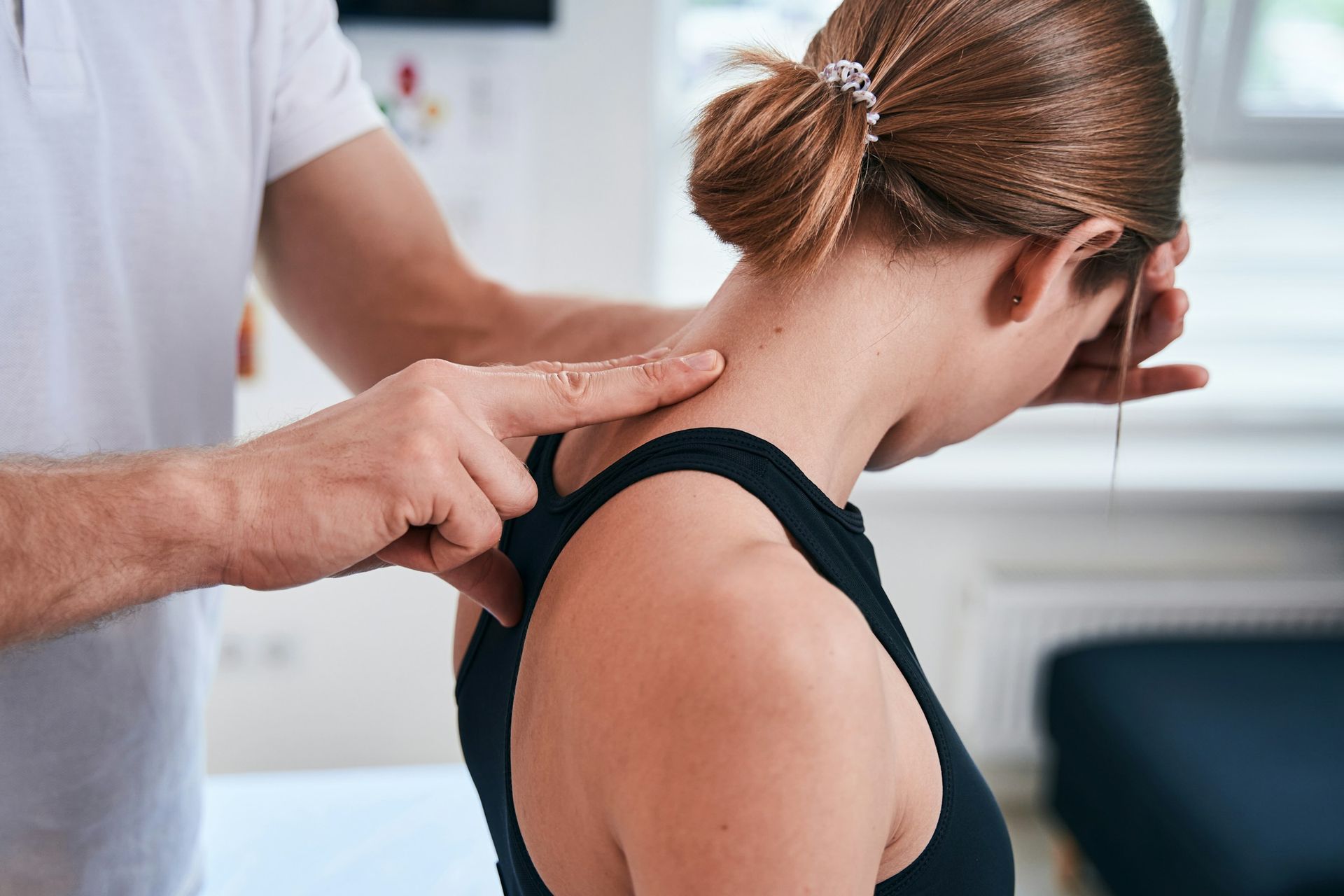
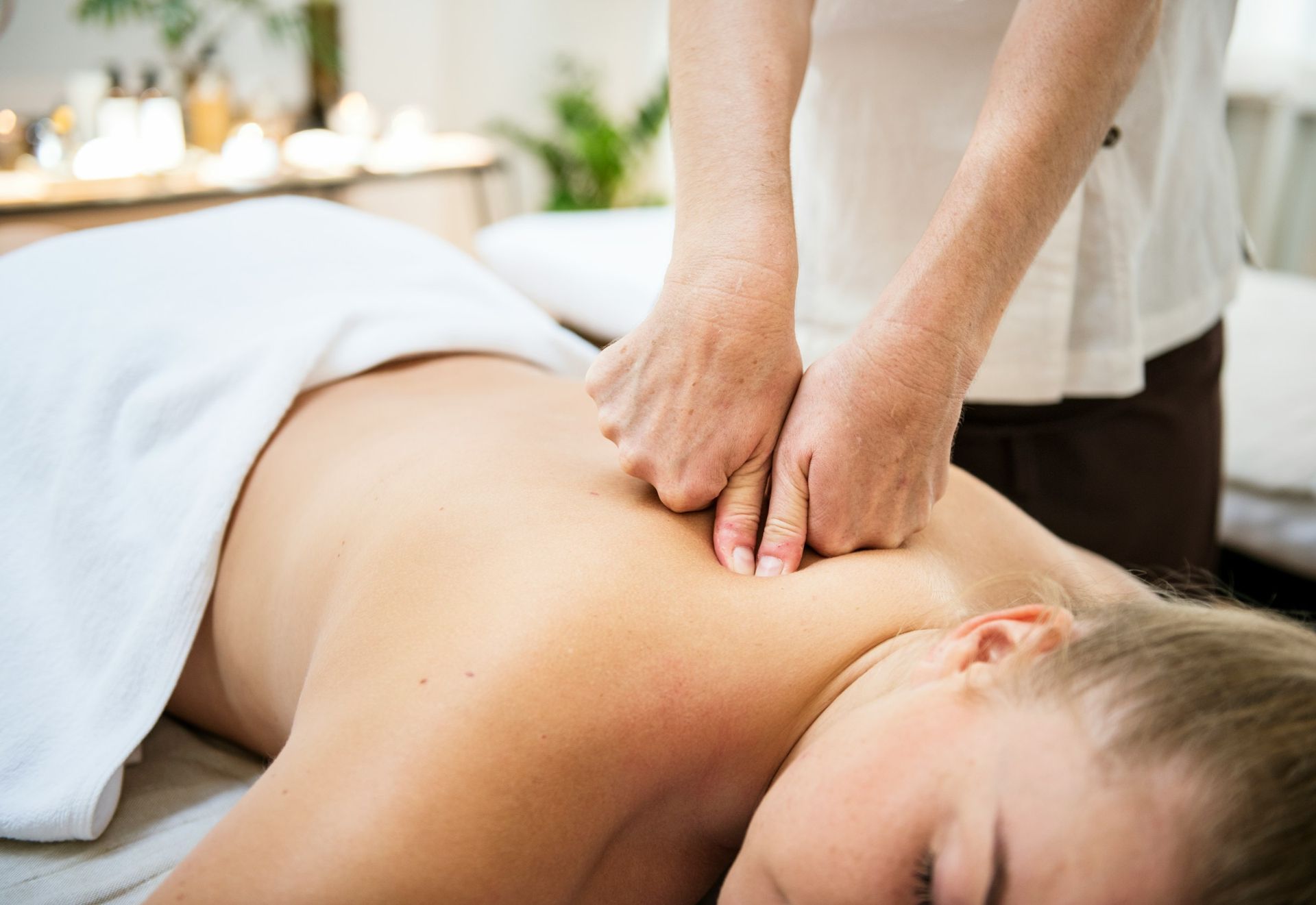
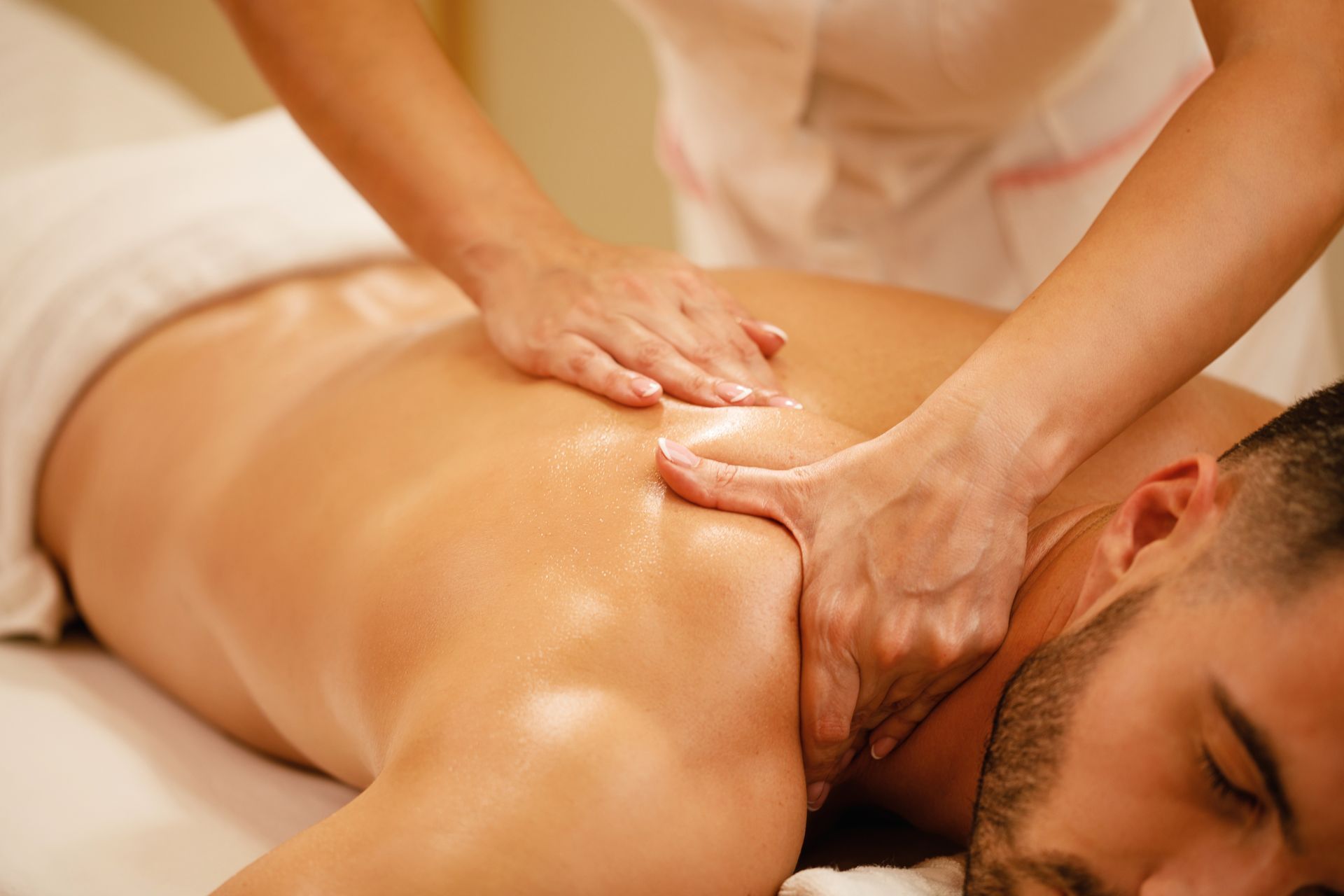
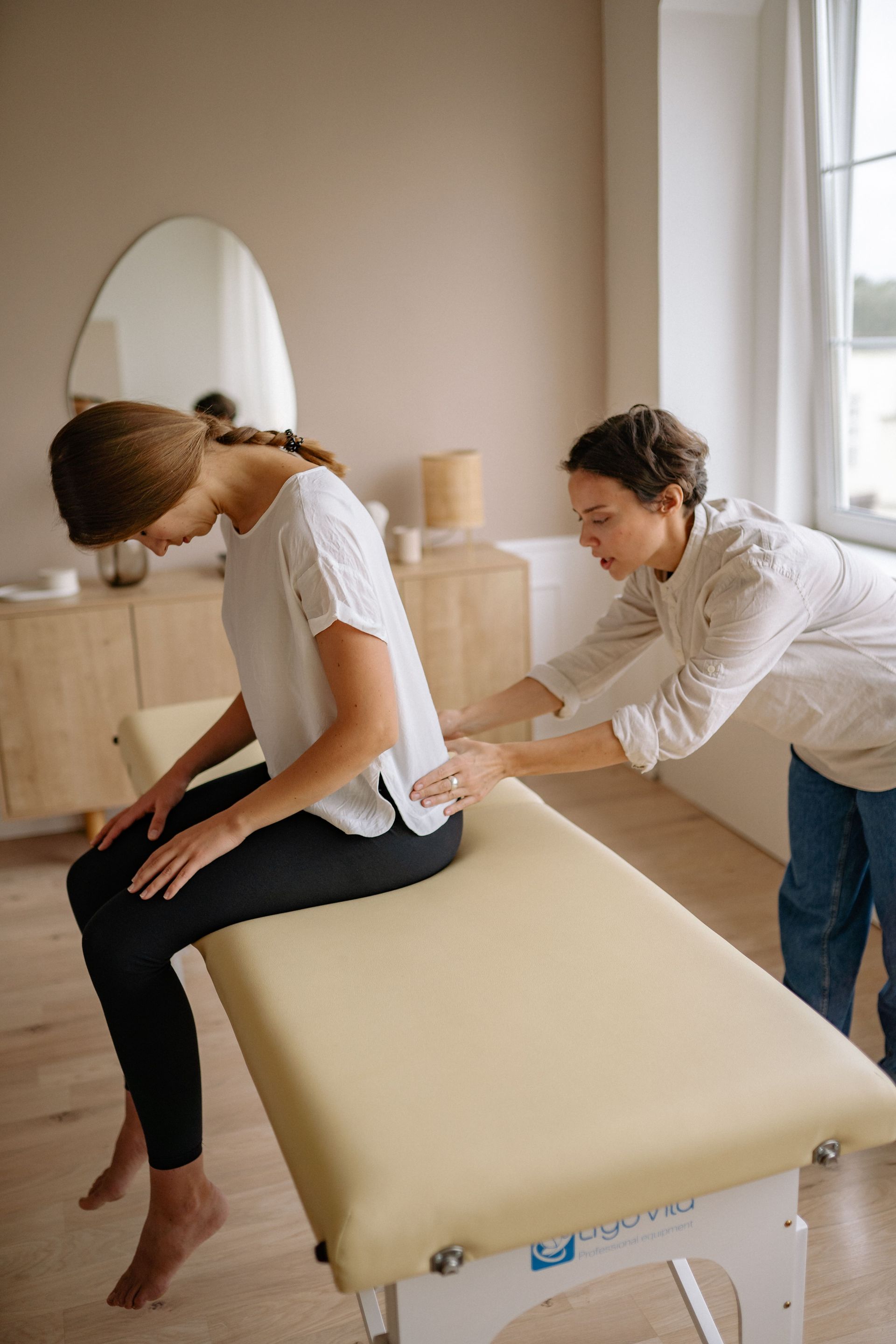
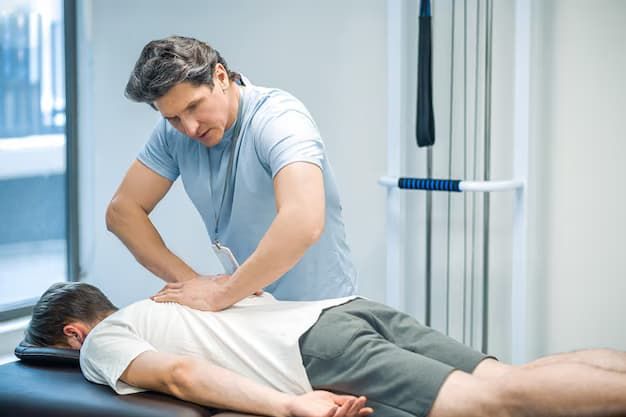
Massage therapy takes a different approach. Instead of trying to manage everything yourself, you have a trained provider assessing and treating your body directly.
The pros:
- Targeted treatment of specific problem areas
- Ability to fully relax (which matters more than you think)
- Consistent, controlled pressure
- Techniques that go beyond what you can replicate on your own
- Real-time feedback and adjustments
The limitations:
- It requires scheduling
- It's more of an investment than a foam roller
- You can't do it daily (unless you've got unlimited time and budget—which, if so, congrats)
Massage is typically more effective for:
- Persistent tightness
- Areas you can't reach
- Recovery after intense activity
- Stress-related tension
- Situations where your body just won't "let go" on its own
Why Relaxation Actually Matters
Here's something people often overlook: your nervous system plays a huge role in muscle tension.
When you're foam rolling, you're often bracing, balancing, and thinking about what you're doing. That keeps your body in a more active state.
During a message, you're lying down, supported, and able to fully relax. That shift allows your nervous system to downregulate, which can make muscles more receptive to change.
In simple terms:
Relaxed muscles respond better to treatment.
That doesn't mean foam rolling is useless—it just means it operates differently
What the Research (and Reality) Suggests
Foam rolling has been shown to:
- Temporarily improve range of motion
- Reduce perception of soreness
- Be helpful as part of a warm-up
Massage therapy has been shown to:
- Reduce pain and muscle tension
- Improve circulation
- Support recovery
- Help regulate stress
Notice a theme? Both have benefits—but they're not interchangeable.
When to Use a Foam Roller
Foam rolling is a great option when you:
- Need a quick reset during the day
- Want to warm up before a workout
- Feel general tightness but nothing too specific
- Are maintaining progress between appointments
A few tips to make it more effective:
- Slow down (this isn't a race)
- Breathe—don't hold tension while trying to relieve tension
- Spend extra time on areas that feel restricted
- Avoid rolling directly over joints or sharp pain
Consistency beats intensity here.
When to Book a Massage
Massage therapy is the better choice when:
- You've had the same tight spot for weeks (or months)
- Foam rolling isn't cutting it anymore
- You're dealing with stress that's showing up physically
- You're recovering from a tough workout, race, or busy stretch of life
- You want a more targeted, individualized approach
It's also worth noting: sometimes the issues isn't where you feel it. A trained provider can identify contributing areas you might not even think to address.
The Best Approach? Use Both.
This isn't an either/or situation—it's a both/and.
Foam rolling and massage therapy actually complement each other really well.
Think of it like this:
- Massage Therapy helps reset your system and address deeper or more stubborn issues
- Foam rolling helps you maintain those improvements between visits
If you only rely on one, you're probably leaving some benefits on the table.
A Simple Game Plan
If you're not sure where to start, try this:
- Daily or near-daily: Light foam rolling (5–10 minutes) + simple movement
- As needed: Longer foam rolling sessions after workouts
- Every few weeks (or based on your needs): Massage therapy for deeper work and recovery
Adjust based on your activity level, stress, and how your body feels
The Bottom Line
Foam rollers are convenient, affordable, and useful—but they have limits.
Massage therapy is more targeted, more effective for stubborn issues, and allows your body to truly relax—but it requires a bit more planning.
If your goal is to move better, feel better, and stay consistent with your health, the best strategy isn't choosing one over the other.
It's knowing when to use each.
Final Thought
If you've been aggressively rolling the same tight spot for weeks and it's still hanging around, that's your sign—it might be time to bring in some backup.
And if you've been relying only on massage but doing nothing in between, a foam roller might be the missing piece to help those results last longer.
Your body doesn't need perfection—it just needs a little consistency and the right tools at the right time.
Bethany Wolcott, DC
D’Youville Chiropractic ‘26