
Gardening Without the Ache: Tips to Protect Your Back, Neck, and Knees This Spring
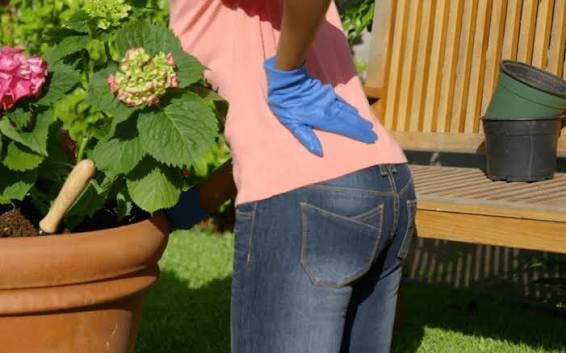
The second the temperature creeps above 55 degrees, something magical happens—people reappear outside with rakes, shovels, gloves, and big spring-cleaning energy. Gardens get revived, flower beds get edged, and suddenly everyone is on a mission to undo everything winter left behind.
It is a great time of year. Fresh air, sunshine, movement—your body wants this. But if you go from “winter hibernation mode” straight into a full weekend of digging, lifting, and kneeling, your back, neck, and knees might have some strong opinions about it the next day.
The good news? You do not have to choose between a beautiful yard and a functioning body. With a few simple strategies, you can enjoy gardening season without waking up feeling like you got tackled by your mulch pile.
Let’s dig in (carefully).
Why Gardening Can Be Tough on Your Body
Gardening seems peaceful, but physically, it is a mix of:
- Repetitive bending and twisting
- Prolonged kneeling or squatting
- Lifting awkward, heavy loads (soil bags, pots, rocks)
- Reaching overhead or out in front of you
- Staying in one position for too long
After a less active winter, your muscles and joints are not always ready for that kind of workload all at once. That is when stiffness, soreness, and even injury can sneak in.
A little preparation and awareness go a long way.
1. Warm Up Before You Start
You would not jump straight into a workout without warming up (or at least you probably shouldn’t). Gardening deserves the same respect.
Going from zero to full yard overhaul is a fast track to strained muscles.
Try this before you start:
- Take a 5–10 minute walk around the yard
- Do a few gentle stretches (hamstrings, hips, shoulders)
- Roll your shoulders and move your neck through a comfortable range
This does not need to be complicated. The goal is simply to get blood flowing and remind your body that it is about to move.
2. Mind Your Bending Technique
One of the biggest culprits for back pain in gardening? Repeated bending from the waist.
It is easy to hinge forward over and over again when planting, weeding, or picking things up—but your low back ends up doing most of the work.
What to do instead:
- Bend at your hips and knees, not just your back
- Keep items close to your body when lifting
- Avoid twisting while carrying or lifting—turn your whole body instead
If you are going to be working close to the ground for a while, change positions frequently (more on that next).
3. Switch Up Your Positions
Staying in one position too long—whether it is kneeling, squatting, or bending—is a recipe for stiffness.
Your joints like movement and variety. Holding any posture for extended periods can cause discomfort, even if it feels fine at first.
Try rotating between:
- Kneeling (with support)
- Squatting
- Sitting on a low stool or garden seat
- Standing tasks (like pruning or watering)
Set a loose timer in your head: every 10–15 minutes, shift positions or stand up and move around.
Your future self will thank you.
4. Use the Right Support for Your Knees
Kneeling directly on the ground might feel fine for a few minutes—but over time, it can put pressure on your knees and surrounding joints.
Easy fixes:
- Use a foam gardening pad or knee cushion
- Try knee pads if you are doing a lot of ground work
- Consider a small gardening bench that doubles as a kneeler
This is a simple upgrade that can make a big difference, especially if you already deal with knee discomfort.
5. Be Smart About Lifting
Bags of soil, planters, watering cans—they add up quickly. And they are often bulky, uneven, and awkward to carry.
A few quick rules:
- Test the weight before lifting
- Lift with your legs, not your back
- Break loads into smaller portions when possible
- Use a wheelbarrow or cart instead of carrying everything by hand
Also, do not be afraid to ask for help. Gardening does not have to be a solo sport.
6. Keep Your Tools Working For You
Using the wrong tools—or using the right tools incorrectly—can strain your hands, wrists, shoulders, and neck.
Look for:
- Long-handled tools to reduce bending
- Lightweight options that are easier to control
- Ergonomic grips that reduce strain on your hands
Also, pay attention to how you are using them. If you are reaching too far forward or hunching over, adjust your setup rather than pushing through.
7. Take Breaks (Yes, Really)
It is easy to get into “just one more thing” mode when you are outside. Before you know it, three hours have passed and your body is staging a protest.
Build in breaks:
- Stand up and stretch every 20–30 minutes
- Walk around and reset your posture
- Hydrate (yes, even if it is not that hot yet)
Short breaks help prevent that deep, lingering soreness that shows up later.
8. Ease Into the Season
One of the biggest mistakes people make is trying to do everything in one weekend.
After months of lower activity, your body needs time to build back up.
Instead of:
- 6 straight hours of yard work on Saturday
Try:
- 1–2 hours at a time
- Spreading tasks across several days
- Gradually increasing your workload
Think of it like training—not a one-day event.
9. Listen to Your Body’s Warning Signs
There is a difference between “I used muscles I forgot I had” soreness and actual pain.
Pay attention if you notice:
- Sharp or sudden pain
- Pain that worsens as you continue
- Tingling, numbness, or weakness
- Discomfort that lingers or worsens over a few days
Pushing through these signals can turn a small issue into a bigger one.
10. Support Your Body with Recovery
What you do after gardening matters just as much as what you do during it.
Post-gardening tips:
- Do some light stretching (hips, hamstrings, back, shoulders)
- Stay hydrated
- Take a short walk to keep things loose
- Use heat or ice if needed for soreness
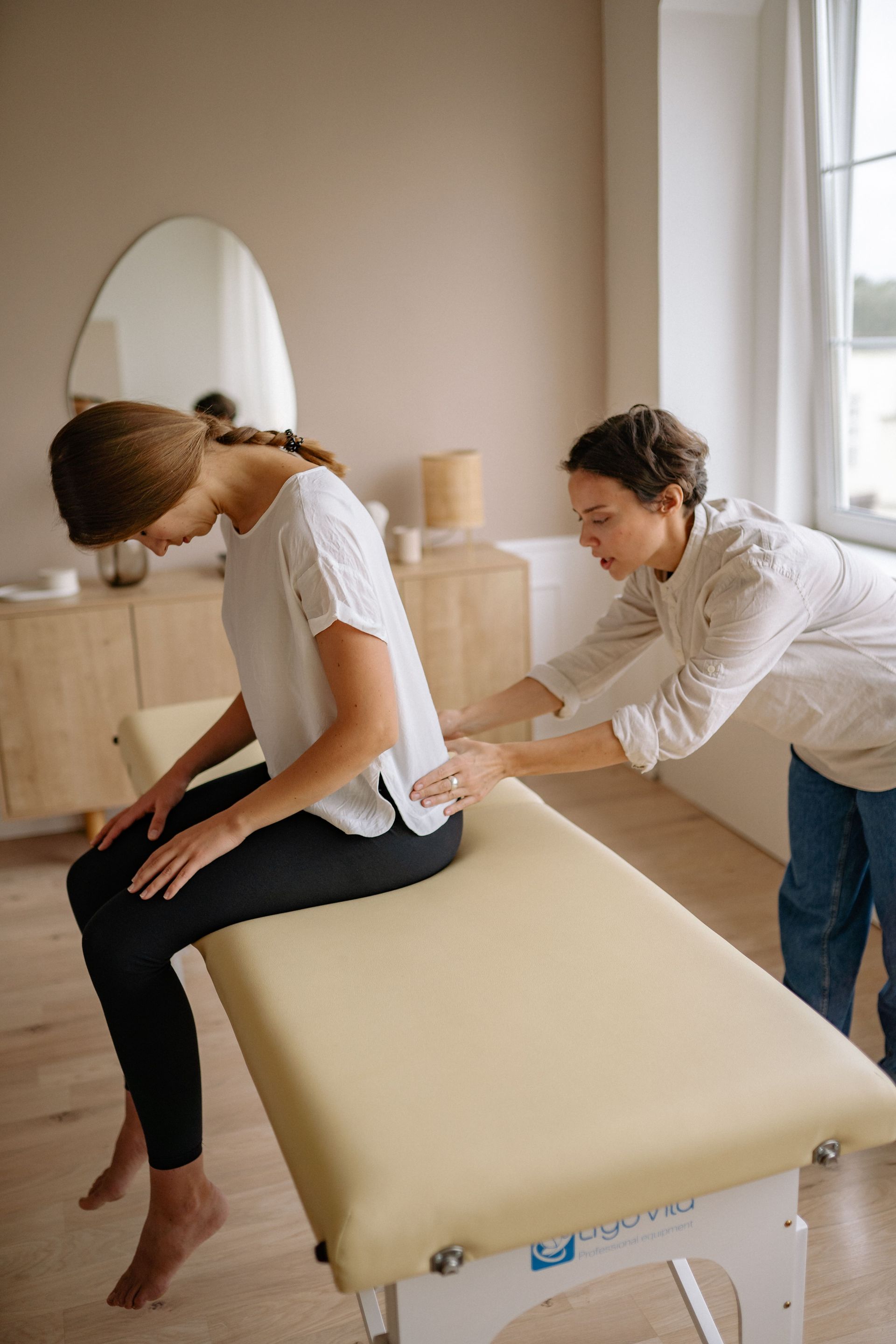
And if your body is feeling particularly tight or restricted, this is where chiropractic care and massage therapy can be incredibly helpful.
How Chiropractic and Massage Care Can Help
Gardening places a mix of stress on your joints and muscles—especially if you are jumping back into activity after a slower winter.
Chiropractic care can help improve joint mobility, reduce restriction, and support better movement patterns. Massage therapy can address muscle tension, tightness, and recovery.
Together, they can help you:
- Move more comfortably
- Recover faster
- Reduce the risk of lingering aches and pains
If gardening season tends to leave you feeling more sore than satisfied, it may be worth building care into your routine.
Enjoy the Season—Without the Setback
Gardening should feel rewarding, not punishing.
With a little preparation, smarter movement, and some well-timed breaks, you can enjoy everything spring has to offer without your back, neck, or knees stealing the spotlight the next day.
So go ahead—plant the flowers, clean up the yard, start that garden project you have been thinking about all winter. Just take care of your body while you do it.
And if you need a little help staying loose, mobile, and pain-free this season, our team at Peak Performance in Buffalo, NY is here to help. Schedule an appointment and keep your body feeling as fresh as your spring garden.