
Waking Up Stiff

Why You Wake Up Stiff (And What to Do About It)
You wake up, swing your legs out of bed, stand up… and immediately feel like you aged 40 years overnight. Your neck won’t turn, your low back feels tight, your hips are grumpy, and walking to the coffee maker feels like an extreme sport. Sound familiar?
Morning stiffness is incredibly common. While occasional stiffness after a long day, tough workout, or sleeping in a strange bed is normal, waking up stiff on a regular basis may be your body’s way of asking for a few changes.
The good news? Most causes of morning stiffness are manageable, and many improve with simple habits, better sleep setup, and the right care.
Why Does Stiffness Happen Overnight?
During the day, your body is moving, changing positions, and keeping muscles and joints lubricated through motion. At night, you’re in one position for hours at a time. Even if you move in your sleep, you’re still far less active than during the day.
When tissues stay still too long, they can tighten up. Joints may feel less mobile, muscles can become guarded, and areas that were irritated during the day may let you know about it first thing in the morning.
Think of it like leaving a rubber band in one position overnight—it may need a little movement before it feels normal again.
Common Reasons You Wake Up Stiff
1. Sleep Position
How you sleep matters more than many people realize. Sleeping on your stomach often places the neck in rotation for hours and can irritate the cervical spine. Curling tightly into a ball may leave the hips and low back feeling restricted. Even side sleeping can become a problem if the spine isn’t well supported.
The goal is keeping your spine in a more neutral position while you sleep.
2. Pillow Problems
Your pillow should support your head and neck, not launch them into orbit. A pillow that is too high can crank the neck upward. Too flat, and your head may drop too low. Old pillows that have lost support can also contribute to morning neck pain and headaches.
If you wake up stiff in the neck or shoulders regularly, your pillow may be part of the problem.
3. Mattress Age and Support
Mattresses don’t last forever. If yours sags in the middle, dips where you sleep, or feels like sleeping on a tortilla, it may not be supporting you well.
A mattress that is too soft or too firm for your body can create pressure points and poor alignment, leading to stiffness in the low back, hips, or shoulders.
4. Dehydration
Your body—including muscles, discs, and connective tissue—functions better when hydrated. If you’re not drinking enough water throughout the day, tissues may feel less resilient and more prone to tightness.
No, a single glass of water won’t magically erase years of stiffness, but hydration matters.
5. Stress and Tension
Stress doesn’t clock out when you go to bed.
Many people clench their jaw, shrug their shoulders, or hold tension through the neck and upper back without realizing it. If you go to sleep stressed, you may wake up feeling like you spent the night wrestling an alligator.
6. Lack of Movement During the Day
Bodies like movement. If you sit for long hours, don’t exercise much, or spend most of the day in one posture, stiffness often builds over time.
Then morning arrives, and your body files a complaint.
7. Inflammation or Underlying Conditions
Sometimes regular morning stiffness can be linked to arthritis, disc irritation, old injuries, or inflammatory conditions. If stiffness lasts a long time each morning, is worsening, or comes with swelling, numbness, weakness, or unexplained pain, it’s worth getting evaluated.
What You Can Do About It
Start Moving Before You Judge the Day
Many people assume something is “wrong” the second they stand up. Sometimes your body just needs a few minutes.
Try:
- Walking around the house for a few minutes
- Gentle shoulder rolls
- Easy neck movement
- Standing tall and reaching overhead
- A short walk after breakfast
Motion helps wake up muscles and joints.
Stretch Smart
A few gentle stretches can go a long way. Focus on common stiff areas like:
- Calves
- Hamstrings
- Hip flexors
- Chest muscles
- Upper traps
Keep stretches easy and controlled. Morning is not the time to attempt Olympic gymnastics.
Reassess Your Sleep Setup
If you wake up stiff often, take inventory:
- How old is your mattress?
- Is your pillow flattened or overstuffed?
- Do you always wake up in the same painful position?
- Do you feel better sleeping elsewhere (hotel, guest room, couch)?
Sometimes small adjustments make a big difference.
Hydrate Earlier in the Day
Try consistently drinking water throughout the day instead of trying to chug a gallon before bed and waking up every two hours to use the bathroom.
Manage Stress
Even five minutes of winding down before bed can help:
- Put the phone down
- Light stretching
- Deep breathing
- Reading
- Warm shower
Less tension at bedtime can mean less tension in the morning.
Move More During the Day
This is one of the best long-term solutions. Regular walking, strength training, mobility work, and posture breaks all help reduce stiffness over time.
Your body is designed for movement, not marinating in one desk chair position for nine hours.
When to Seek Help
If morning stiffness is frequent, worsening, or affecting your daily life, it may be time for a professional evaluation.
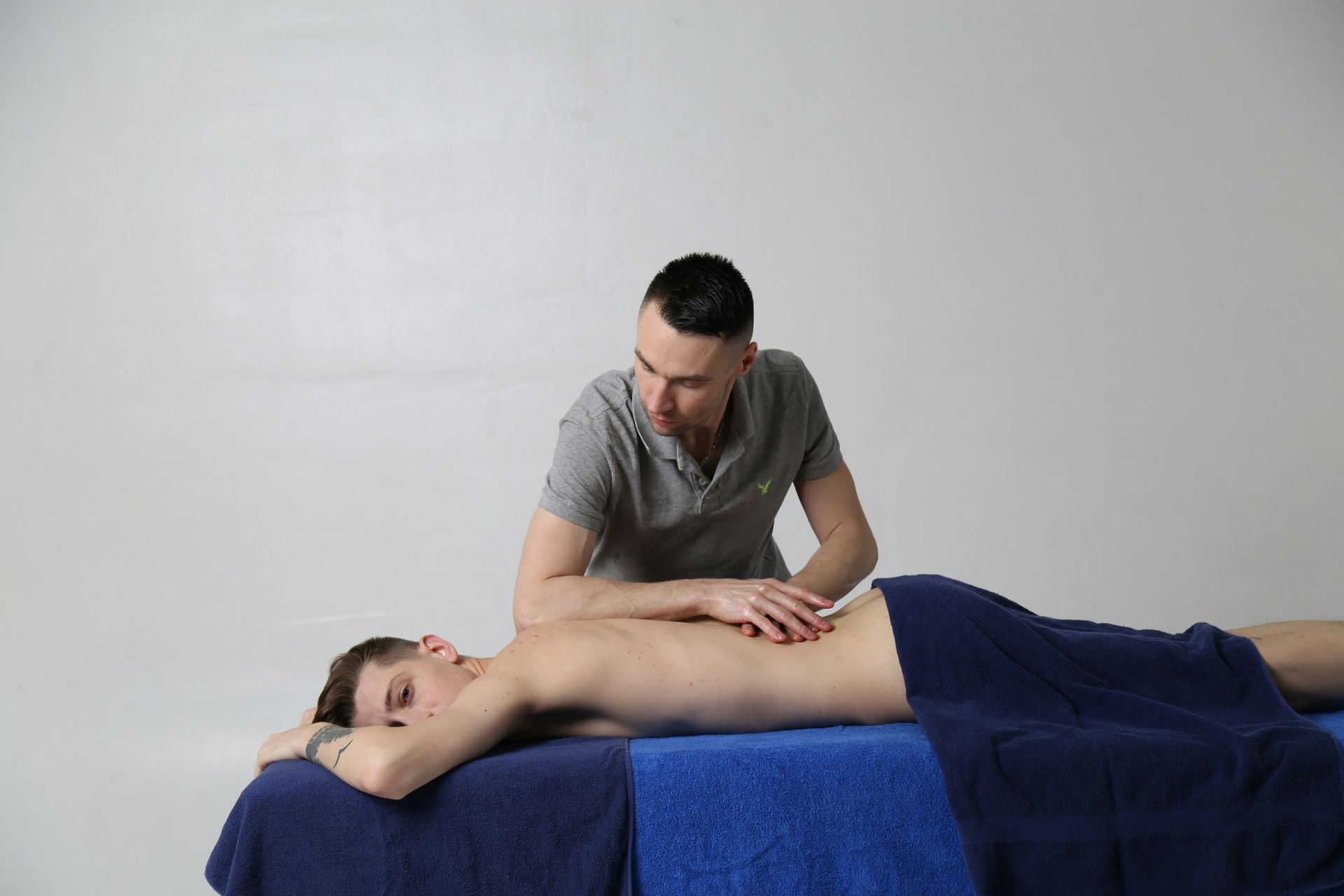
At our office, chiropractors assess how your joints are moving, where restrictions may be occurring, and whether muscular tension, posture habits, or irritation are contributing. Massage therapy can also help reduce soft tissue tightness, improve circulation, and help stubborn areas relax.
Often, a combination of treatment plus changes to sleep setup, movement habits, and recovery strategies works best.
Red Flags You Shouldn’t Ignore
Seek medical attention if stiffness comes with:
- Numbness or tingling
- Significant weakness
- Loss of balance
- Fever
- Unexplained weight loss
- Severe pain that doesn’t improve
- Bowel or bladder changes
Those symptoms deserve prompt attention.
Final Thoughts
Waking up stiff once in a while is normal. Waking up stiff every day is common—but common doesn’t mean you have to accept it.
Often, morning stiffness is the result of sleep position, poor support, stress, dehydration, or lack of movement. The fix may be simpler than you think.
If mornings feel harder than they should, talk with one of our chiropractors or massage therapists. We’d love to help you move better, feel better, and make that first trip to the coffee maker much less dramatic.