When Stretching More Isn't the Answer to Persistent Muscle Tightness and Limited Movement
You stretch regularly, and your muscles still feel tight, stiff, or hard to move. Stretching supports flexibility, sure, but it doesn't always address why the tension keeps coming back.
Muscle tightness can be influenced by old injuries, repetitive activities, joint restrictions, posture, exercise habits, or just not recovering enough. Stretching more often might only give you temporary relief. A broader approach can help figure out what's actually driving the problem.
Peak performance massage can be one useful piece of a personalized care plan built to ease muscle tension and support more comfortable, natural movement.
Why Doesn't Stretching Always Fix Tight Muscles?
When a muscle feels tight, it's tempting to assume it just needs to be lengthened. But tightness is sometimes your body's response to a completely different problem.
If a joint isn't moving comfortably, nearby muscles can tense up as a protective response. Repetitive activities, long stretches of sitting, or an old injury can also force certain muscles to work harder than they should.
Repeatedly pulling on the tight spot might give temporary relief without touching why the tension keeps coming back.
Tightness and Limited Movement Are Different
Flexibility is about how much a muscle or soft tissue can lengthen. Mobility is about how well a joint and the tissue around it move through its available range.
You can have decent flexibility and still have restricted movement. Joint stiffness, muscle guarding, or poor movement coordination can make everyday motions hard, even when a muscle isn't particularly short.
That's why peak performance massage shouldn't be thought of as just a deeper form of stretching. Massage works with soft tissue directly and can reduce muscle tension, improve comfort, and support easier movement.
When More Stretching May Not Help
Stretching isn't automatically better the more you do it.
Pay attention to what your body's telling you. A gentle stretch should feel controlled. Sharp pain, burning, numbness, tingling, or worsening symptoms are reasons to stop, not push harder.
If the same area gets tight again after stretching, it's worth asking why, and that question is often where peak performance massage becomes genuinely useful.
How Massage Can Help
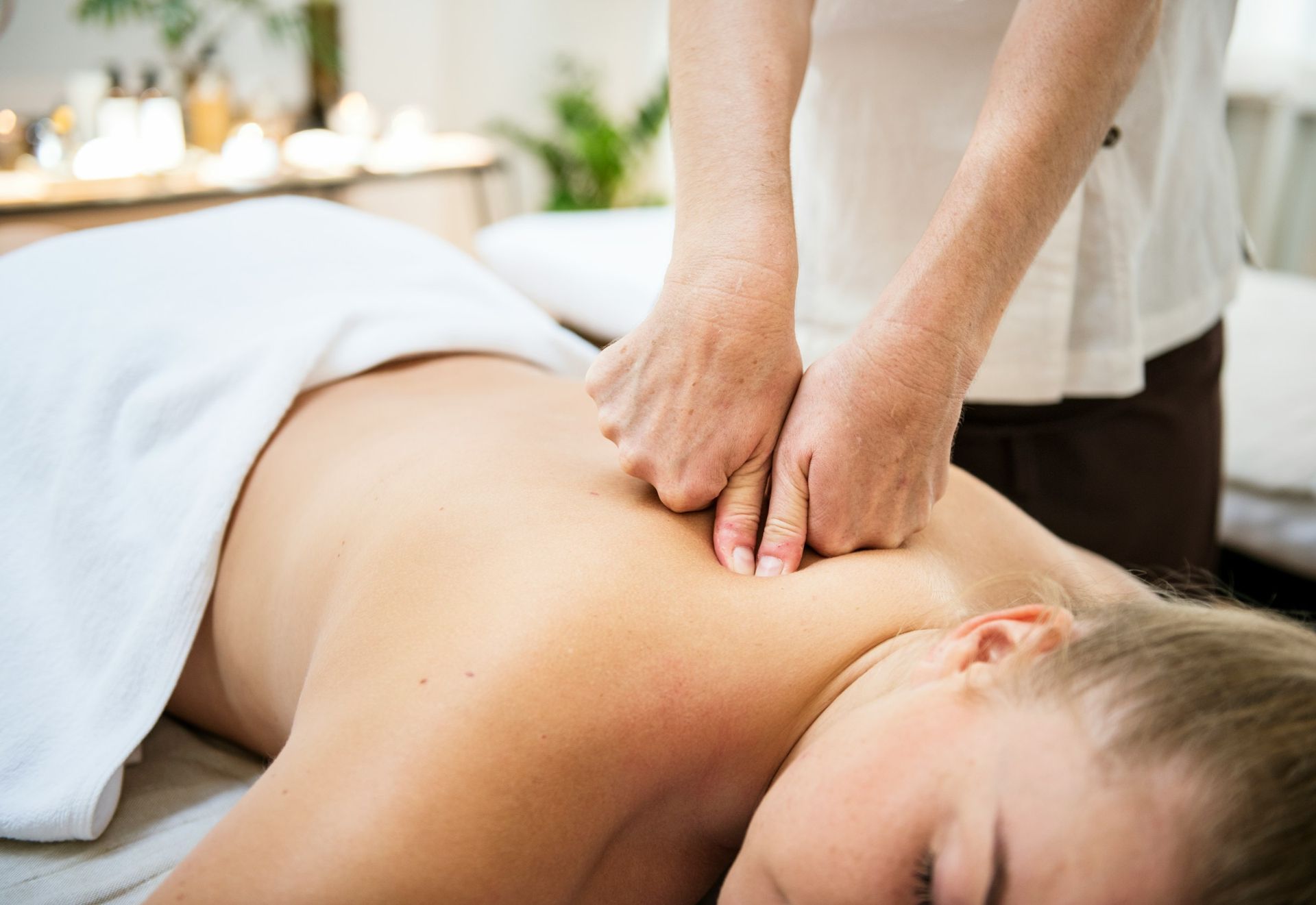
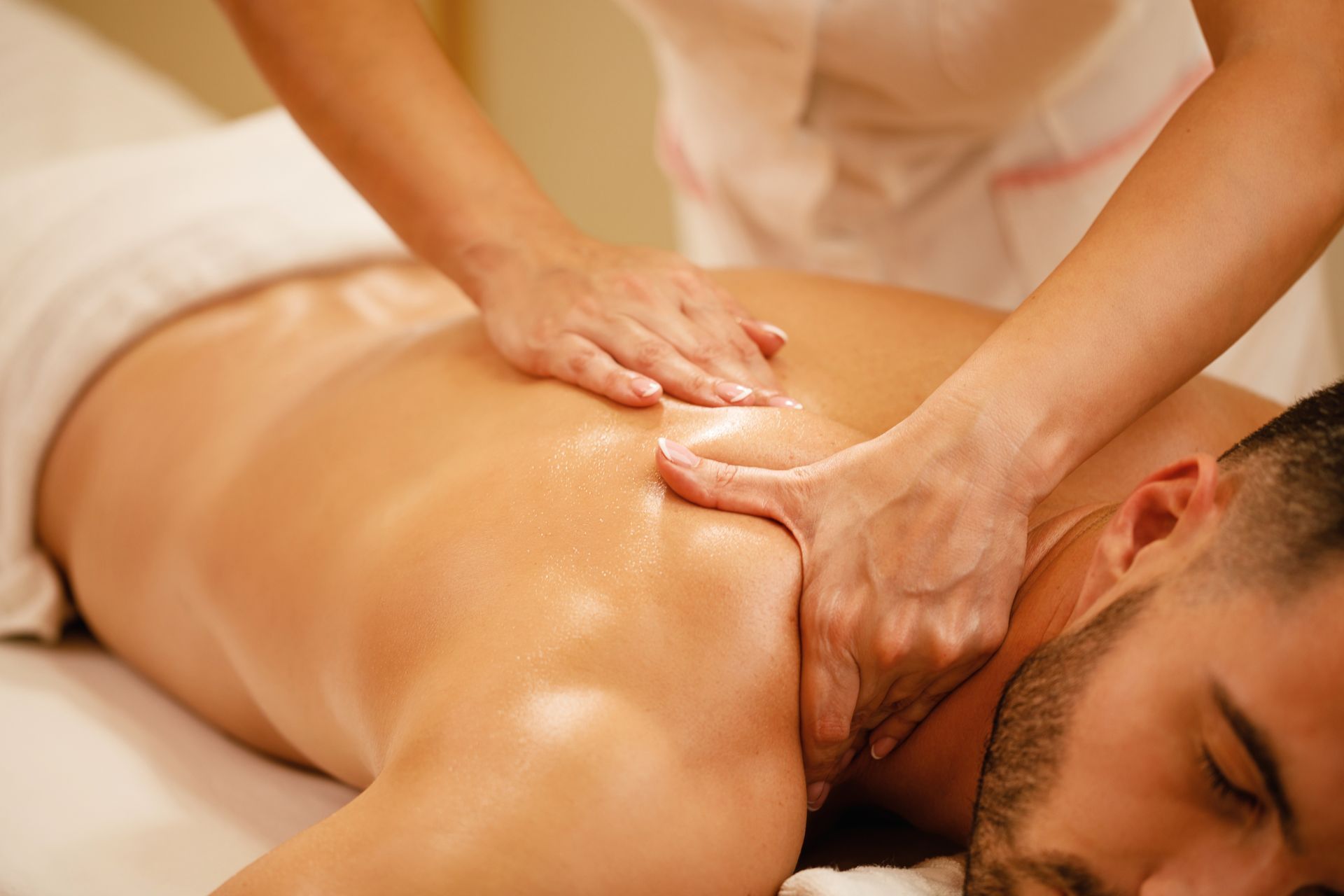
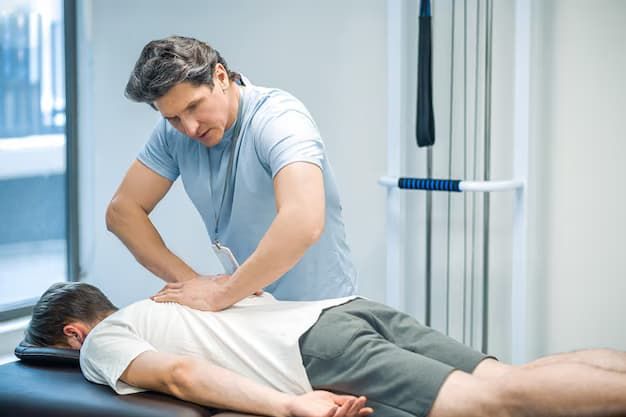
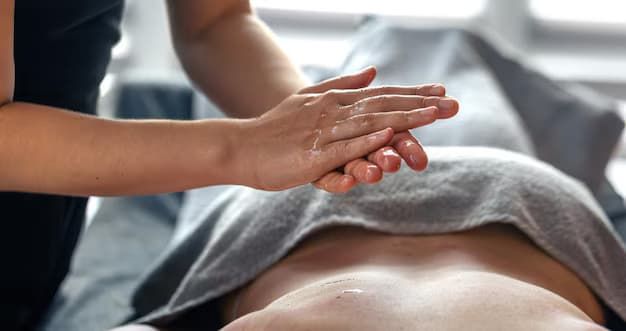
Therapeutic massage can help when muscles stay tense despite regular stretching and daily mobility work. Instead of repeatedly forcing a tight area to stretch, hands-on treatment can focus on the soft tissue actually contributing to discomfort or restricted movement.
Peak performance massage can use techniques suited to your condition, activity level, and goals. Depending on what you need, massage can ease muscle tension, improve comfort, and make movement feel more natural.
It can also complement other kinds of care when persistent tightness connects to broader movement or musculoskeletal concerns.
Why a Broader Approach Matters
Persistent tightness doesn't always stay confined to one body part.
A tight hip can change how you walk. Limited ankle movement can change how you squat. Restricted movement in one area can make another part of your body work overtime to compensate.
At Peak Performance Chiropractic & Wellness, we offer both chiropractic care and medical massage, so our providers can coordinate care when it makes sense. We focus on helping people move better, whether the goal is exercise, athletic performance, or just everyday comfort.
For some people, peak performance massage gets combined with chiropractic treatment, mobility work, exercise recommendations, or changes to daily movement habits.
Signs Your Tightness Deserves Attention
Worth getting evaluated if:
- The same muscle repeatedly becomes tight
- Stretching only helps for a short while
- Your range of motion keeps decreasing
- Tightness affects exercise or daily activities
- You have a history of injury in the same spot
- You notice weakness, unusual pain, or movement changes
A peak performance massage session helps some people. Others do better with an evaluation from another healthcare professional first.
What Can You Do Instead of Stretching More?
Notice when the tightness shows up. Is it worse after sitting, running, lifting, sleeping, or a particular work task? Does movement improve it, or does activity make it worse?
Strengthening weak muscles matters too. Enough sleep, hydration, appropriate training volume, and rest all shape how your body handles physical demands.
At our office, peak performance massage fits into a broader philosophy: movement matters, and care should be built around the person, not a one-size-fits-all routine.
Conclusion
Persistent muscle tightness doesn't always mean you need to stretch harder or more often. Sometimes the better question is why the tightness keeps coming back in the first place.
Muscle tension can be shaped by movement patterns, joint mobility, old injuries, repetitive activity, training demands, and recovery. Looking at those factors gives you a more useful path toward moving better.
At Peak Performance Chiropractic & Wellness, we believe movement matters to living well. We work with our patients to understand their concerns and pick care that actually fits their goals. Whether peak performance massage is right for you or another approach makes more sense, our focus stays on helping you move with more comfort and confidence.
Small changes to your movement habits can make a real difference when guided by the right professional.