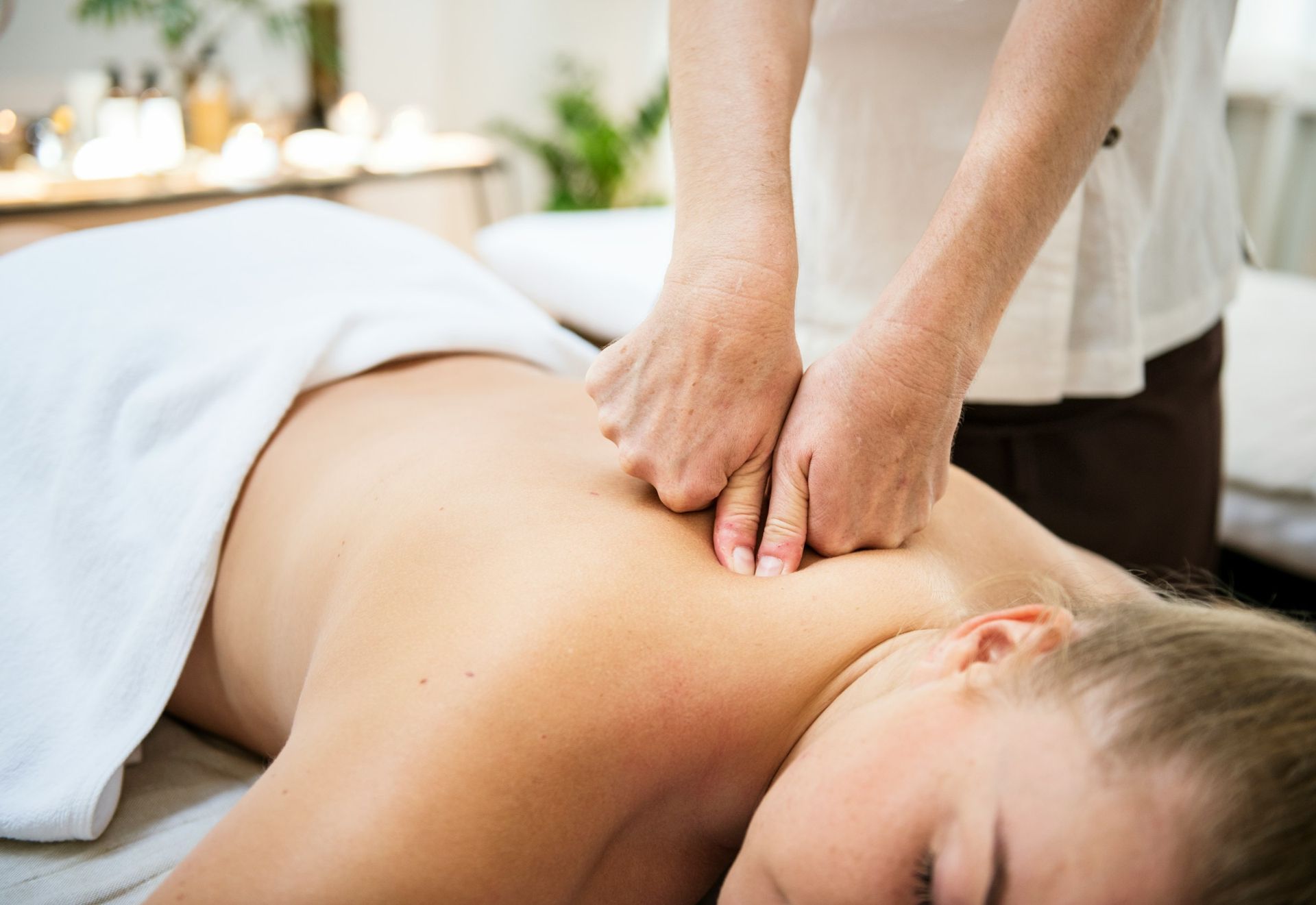

When Your Body Feels Better After Massage but the Same Pain Keeps Returning

A massage session doesn’t always need to cover your entire body to be useful. Sometimes, one area deserves most of the attention because it’s where you’re feeling the greatest tension, discomfort, or limitation. Other times, a broader session makes more sense.
The right choice depends on why you booked the appointment, what you’re experiencing, and how your body responds during treatment. If you’re comparing massage therapy Hamburg options, understanding this difference can help you communicate what you actually want from your session.
Start With the Reason You Booked the Massage
Before deciding between focused and whole-body work, think about what brought you in. If your main concern is a tight upper back after spending long hours at a desk, for example, you may want more time spent around that area. Someone preparing for or recovering from physical activity may have a different reason for booking. Another person may not have one particular complaint at all and may simply want general relaxation and bodywork.
There isn’t a single format that works for everyone. Therapeutic massage can involve the whole body or concentrate on a specific area of concern, with the approach adjusted to the person’s needs.
At Peak Performance Chiropractic & Wellness, we want to know what you hope to get from the appointment before treatment begins. That conversation gives us useful context instead of asking the therapist to guess where your attention should go.
When a Focused Session May Make More Sense
A focused approach can be useful when one area is clearly taking priority. You might notice that your shoulders feel much tighter than the rest of your body. Maybe your calves are especially fatigued after increased activity. Or perhaps one part of your back has been bothering you while everything else feels relatively normal.
In situations like these, spending more of the appointment on the main area can make practical sense. It allows the therapist to work within the available appointment time instead of dividing that time evenly across areas that may not need equal attention. That doesn’t mean the rest of the body is ignored. Depending on the technique and the reason for treatment, the therapist may still work around connected areas to address the broader pattern of tension.
The goal is not simply to spend as much time as possible on the spot that hurts. A therapist needs to consider what the client reports, how the tissues respond, and whether the requested treatment is appropriate.
When Whole-Body Massage May Be the Better Fit
A whole-body session can make sense when there isn’t one dominant problem area. Some people carry tension in several places at once. Others may be looking for relaxation rather than treatment directed at a particular complaint. In those cases, dividing the appointment across multiple areas may better match the purpose of the visit.
Whole-body massage also doesn't mean every part of the body receives the same amount of attention. A therapist can still adjust pressure, technique, and time according to what you report during the appointment.
That flexibility matters. Massage isn't a fixed routine that has to look identical from one person to the next. The National Center for Complementary and Integrative Health describes massage therapy as a group of techniques used for different purposes, including clinical massage aimed at specific goals. At our practice, we use that individual approach to help determine what makes sense for the appointment rather than treating every client as though they arrived with the same needs.
Your Main Problem Isn't Always the Only Area That Matters
One common mistake is assuming that the place that hurts is automatically the only place that should be treated. Sometimes the area you notice first isn't the only area involved in how you move or feel. A therapist may ask questions about your activities, recent changes, previous injuries, or other areas of discomfort before deciding how to approach the session.
That doesn't mean massage can identify or correct every underlying cause of pain. Massage therapists work within their professional scope, and persistent, unusual, or concerning symptoms may require evaluation by an appropriate medical professional.
Research also doesn't support promising that massage will fix every type of pain. Reviews from the National Center for Complementary and Integrative Health report that massage may provide short-term benefits for some pain conditions, while the strength of evidence varies by condition. That's why we don't view a massage appointment as a reason to ignore symptoms that don't fit a straightforward musculoskeletal complaint.
How to Help Your Therapist Choose the Focus
You don't need to arrive with a treatment plan. A few useful details can make the conversation much easier. Tell your therapist:
- What prompted you to book the appointment
- Where you feel discomfort or tension
- Whether the problem is new or ongoing
- What activities seem to affect it
- Whether you have a recent injury or relevant medical history
- What pressure feels comfortable to you
- Whether there are areas you don't want worked on
Then stay involved during the session. If the pressure is uncomfortable, say so. If something feels different from what you expected, mention it. Communication is part of good massage care, and clinical massage guidance also emphasizes telling the therapist when pressure feels too deep or uncomfortable.
For people searching for massage therapy Hamburg, this conversation may be more useful than trying to decide in advance that you need a full-body or focused session.
The Right Choice Can Change From One Appointment to the Next
You don't necessarily need to choose one approach every time you book a massage. Your needs can change. A session after a demanding week may have a different purpose from one booked after increased physical activity. An area that needs attention today may feel completely different at your next appointment.
That's why we prefer to begin with the reason you're seeking care and then decide how the available treatment time can best be used. Our massage services include different techniques and appointment options, allowing the session to be adapted to individual goals rather than following one rigid routine.
If you're considering massage therapy in Hamburg, think less about whether one format is universally better and more about what you want the appointment to accomplish.
Bottom Line
A focused massage can make sense when one area is clearly your main concern. A whole-body session may fit better when you want broader relaxation or have tension across several areas. Neither approach is automatically right for everyone.
The most useful starting point is an honest conversation about why you booked the appointment, what you're feeling, and what you want from the session. At Peak Performance Chiropractic & Wellness, we use that information to shape care around the individual rather than treating every appointment the same way.
If you're unsure where the session should focus, that's something you can discuss before treatment begins. You don't have to figure it out alone.