
When Your Body Feels Better After Massage but the Same Pain Keeps Returning

When your neck starts hurting, reaching for a heating pad or ice pack can feel like an easy first step. But which one should you use? The answer depends partly on what caused the discomfort and what your symptoms feel like now.
Heat and cold are both used as short-term comfort measures for some common forms of neck pain, but neither is a universal solution. If you're looking for neck pain relief at home, knowing when to use each option can help you avoid treating every situation the same way.
What Does Ice Actually Do?
Cold can temporarily numb an area and may help limit swelling after an acute injury. That's one reason ice is often considered soon after a sudden strain or other new injury. MedlinePlus recommends applying ice for the first 48 to 72 hours for some common causes of neck pain, followed by heat. It also cautions against falling asleep with an ice bag in place because of the risk of skin injury.
That doesn't mean every new episode of neck discomfort requires ice. The cause matters, and not every painful neck is the result of an injury that needs the same approach. If you're unsure what caused the pain, don't assume that an ice pack is the answer simply because the discomfort started recently.
When Can Heat Help?
Heat can be useful when the main problem feels like stiffness or muscle tightness rather than a fresh injury. Warm showers, warm compresses and heating pads are among the options MedlinePlus lists for neck pain self-care.
Heat may feel particularly comfortable when your neck feels stiff after being still for a while. But comfort isn't the same thing as treating the underlying cause. If warmth makes the area feel better temporarily, that's useful information but it doesn't necessarily explain why your neck hurts.
And just like with cold, safety matters. A heating pad shouldn't be hot enough to burn the skin, and you shouldn't fall asleep while using one.
So Which One Should You Choose?
For a minor, recent neck injury, cold may be a reasonable option during the early period. For stiffness or muscle discomfort, heat may feel more useful. MedlinePlus gives a general approach of ice during the first 48 to 72 hours and heat afterward for certain common causes of neck pain.
But there's an important limitation: the right approach depends on the cause of the pain.
Neck discomfort can result from muscle strain, arthritis, disc problems, injuries, and other conditions. So if you're asking whether heat or ice is “better,” the more useful question is what you're trying to manage and why your neck hurts in the first place.
What If Heat or Ice Only Helps for a Little While?
Temporary relief isn't necessarily a sign that something is wrong. Heat or cold can make an uncomfortable area feel better without addressing whatever caused the symptoms. That's why home care should be viewed as symptom management rather than a diagnosis.
For example, if your neck feels better after using a warm compress but the same problem keeps returning, repeatedly applying heat may not tell you why it keeps happening.
This is especially relevant when neck pain affects your normal activities or doesn't settle as expected. At that point, the more useful next step may be determining what's contributing to the symptoms rather than simply switching between hot and cold.
At Peak Performance Chiropractic & Wellness, we look at the broader picture when someone comes to us with a musculoskeletal complaint. That starts with listening to the person's history and performing an appropriate assessment rather than assuming every episode of discomfort has the same cause.
A Few Safety Rules Matter
Whichever option you try, don't apply extreme temperatures directly to your skin. With ice, use a barrier between the cold source and your skin. With heat, use a comfortable temperature rather than trying to make the treatment as hot as possible.
Don't fall asleep with a heating pad or ice bag in place. MedlinePlus specifically warns about this because prolonged exposure can injure the skin. It's also worth remembering that home treatment isn't appropriate for every neck complaint.
If your symptoms followed a significant injury, are severe, or occur alongside concerning neurological symptoms, it's better to seek appropriate medical evaluation instead of trying to manage the problem with heat or ice alone.
When Neck Pain Deserves More Attention
Some neck discomfort can be managed conservatively, but certain symptoms shouldn't be brushed aside. MedlinePlus advises seeking medical care for neck pain accompanied by symptoms such as weakness, numbness, problems walking or balancing or pain following a serious injury. Sudden or severe symptoms also deserve attention rather than repeated home treatment.
We don't want a person to keep applying heat or ice to a problem that needs a proper evaluation. Relief from a heating pad doesn't tell you whether the underlying issue is minor, and the same is true of temporary relief from cold. When in doubt, getting the cause assessed is more useful than guessing which temperature to use.
What About Massage?
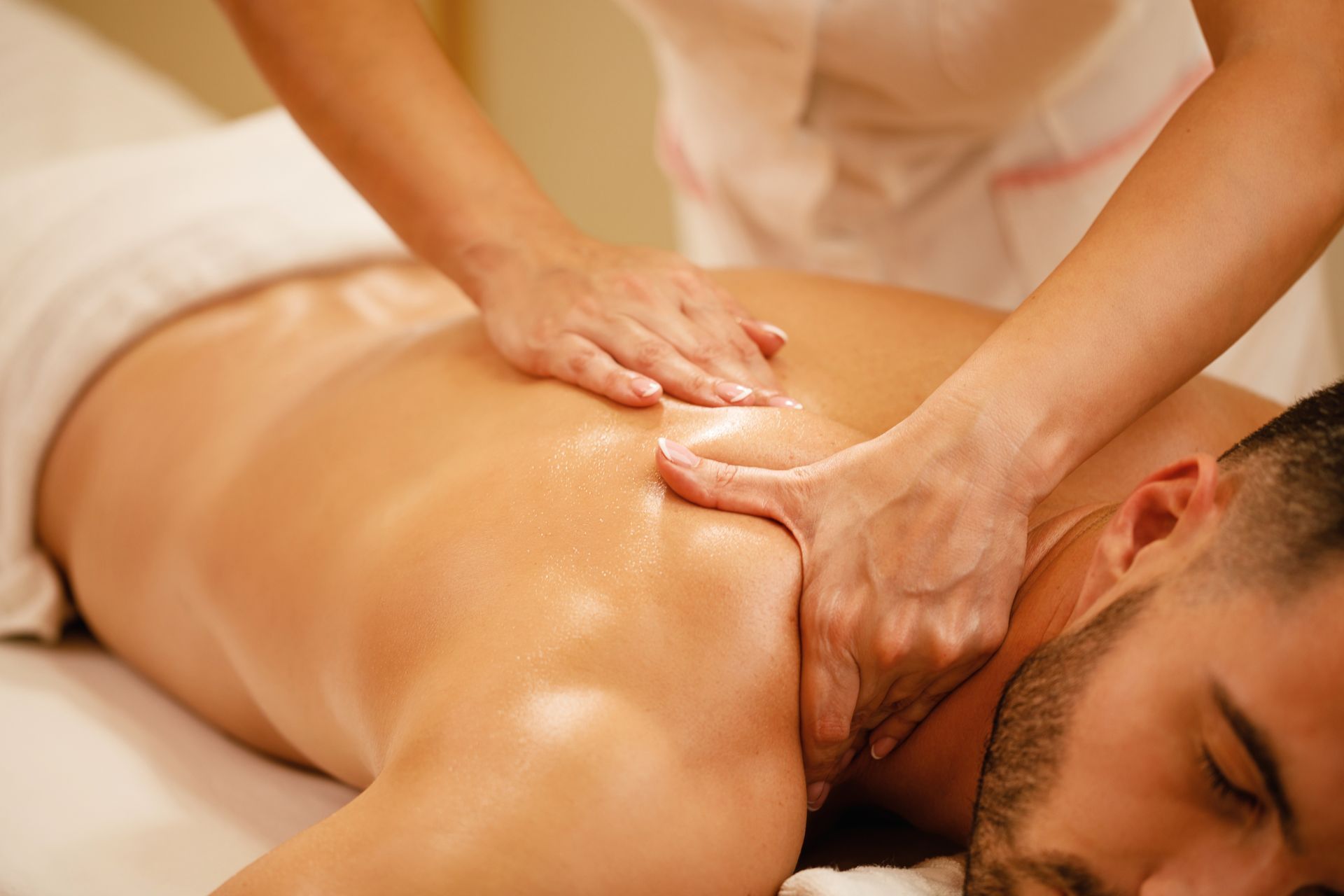
Massage may be appropriate for some people with muscle-related neck discomfort, but it shouldn't be presented as a universal answer. Research reviewed by the National Center for Complementary and Integrative Health suggests massage may provide short-term benefits for some people with neck or shoulder pain, while the overall evidence varies.
That distinction matters. A massage may help someone feel more comfortable without necessarily addressing every possible cause of their symptoms.
At our practice, we consider the information available before deciding whether chiropractic care, massage or another course of action is appropriate. We don't assume that every person with neck pain needs the same treatment.
Bottom Line
Heat and ice can both have a place in managing certain types of neck discomfort. Cold is commonly used during the early period after some acute injuries while heat may be more comfortable for stiffness and muscle discomfort. MedlinePlus supports using ice initially for certain common causes, followed by heat.
Still, neither option should be treated as a cure or a way to identify what's causing your symptoms.
If your neck pain is severe, follows a significant injury, keeps returning or comes with concerning symptoms, don't keep experimenting with home remedies. Get the problem evaluated so the next step is based on what's actually going on.