When Your Body Feels Better After Massage but the Same Pain Keeps Returning
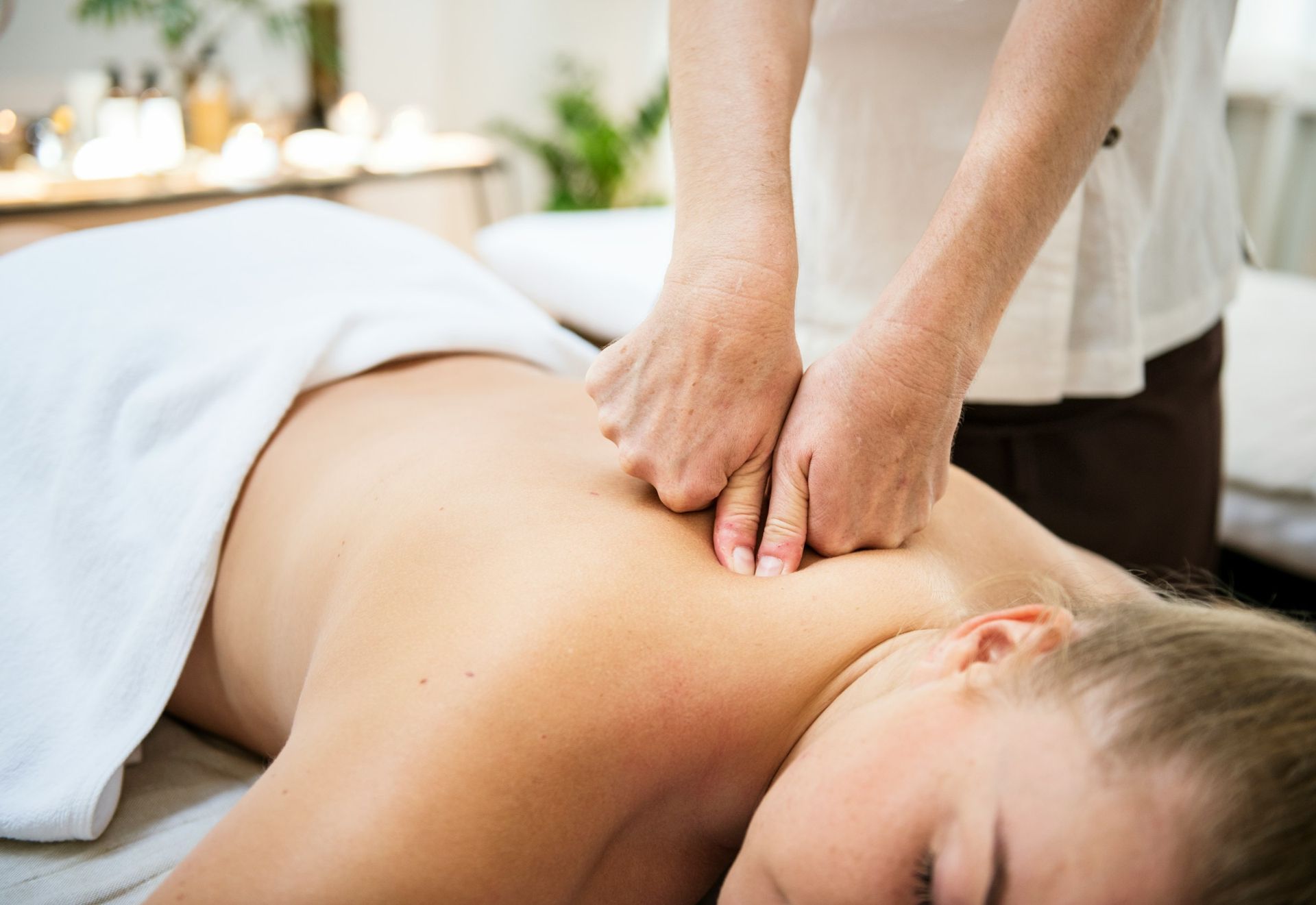
A medical massage appointment isn't simply a matter of finding the sorest spot and spending the entire session there. Before treatment begins, we need to understand what you're experiencing, what you want from the appointment, and whether massage is appropriate for your situation.
From there, we can decide where treatment should be directed and which techniques may be appropriate. If you're considering medical massage in Buffalo, understanding that process can make the appointment feel much less mysterious.
The Conversation Comes Before the Treatment
The first step is listening. Pain or tension doesn't always tell the whole story. We may need to know when you first noticed it, whether something changed before it started, what activities affect it, and whether you're dealing with any other symptoms. Your previous injuries, relevant medical history, and treatment goals can also affect how a session is approached.
This isn't about turning a massage appointment into a medical examination. It's about getting enough information to make sensible decisions about the session.
At Peak Performance Chiropractic & Wellness, we use this information to understand what you're looking for and determine how our massage services may fit your needs. Our medical massage service is designed around client-specific goals rather than one fixed routine.
The Sore Spot Isn't Always the Whole Story
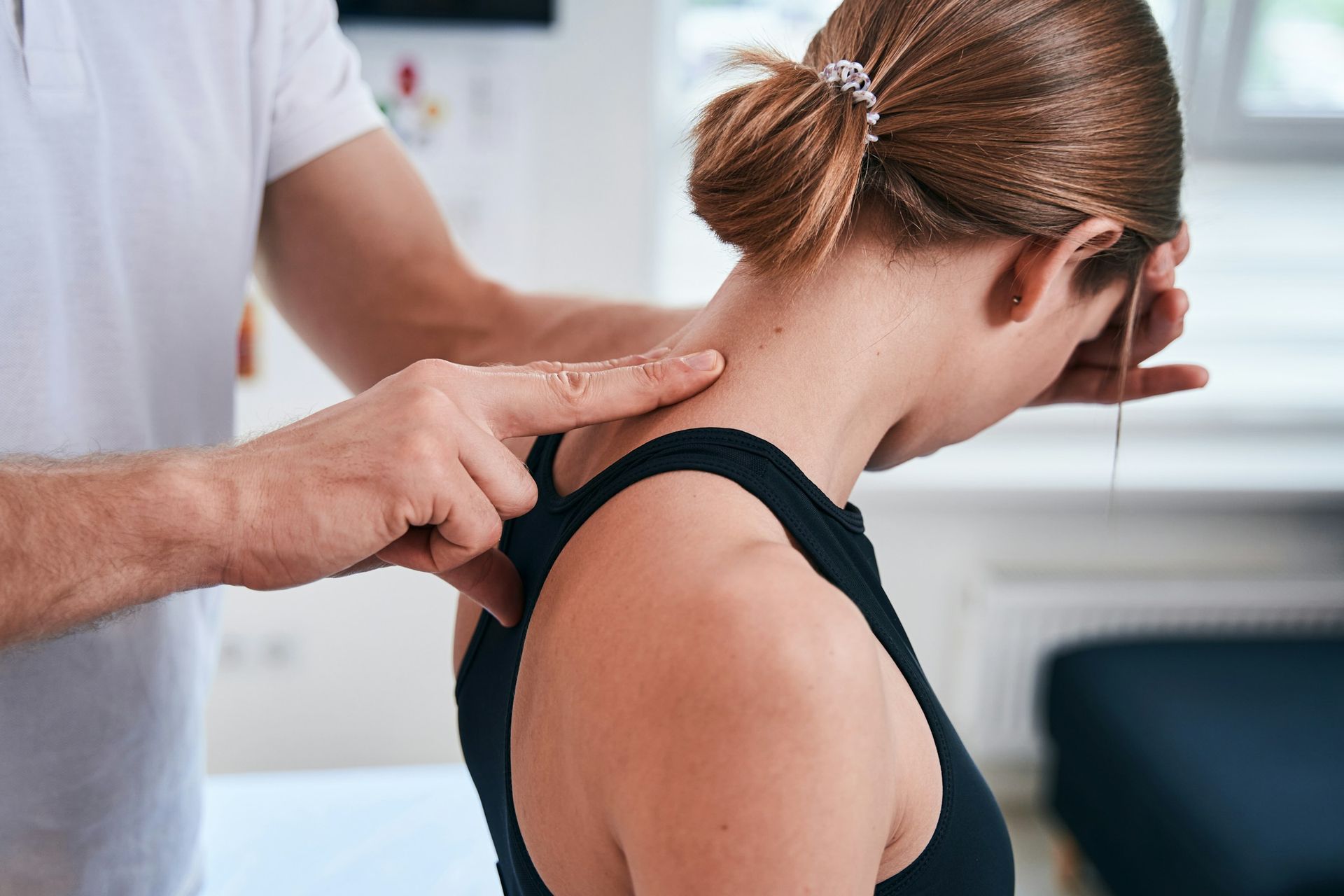
It can be tempting to point to one painful area and assume that's where all the work should happen. Sometimes it is. But not necessarily. For example, someone may describe discomfort around the shoulder while also noticing tension through nearby areas. That doesn't automatically mean one particular structure is causing the problem, and massage shouldn't be presented as a way to diagnose the source based on location alone.
Instead, the therapist considers the information available and decides how the session can best address the client's stated goals.
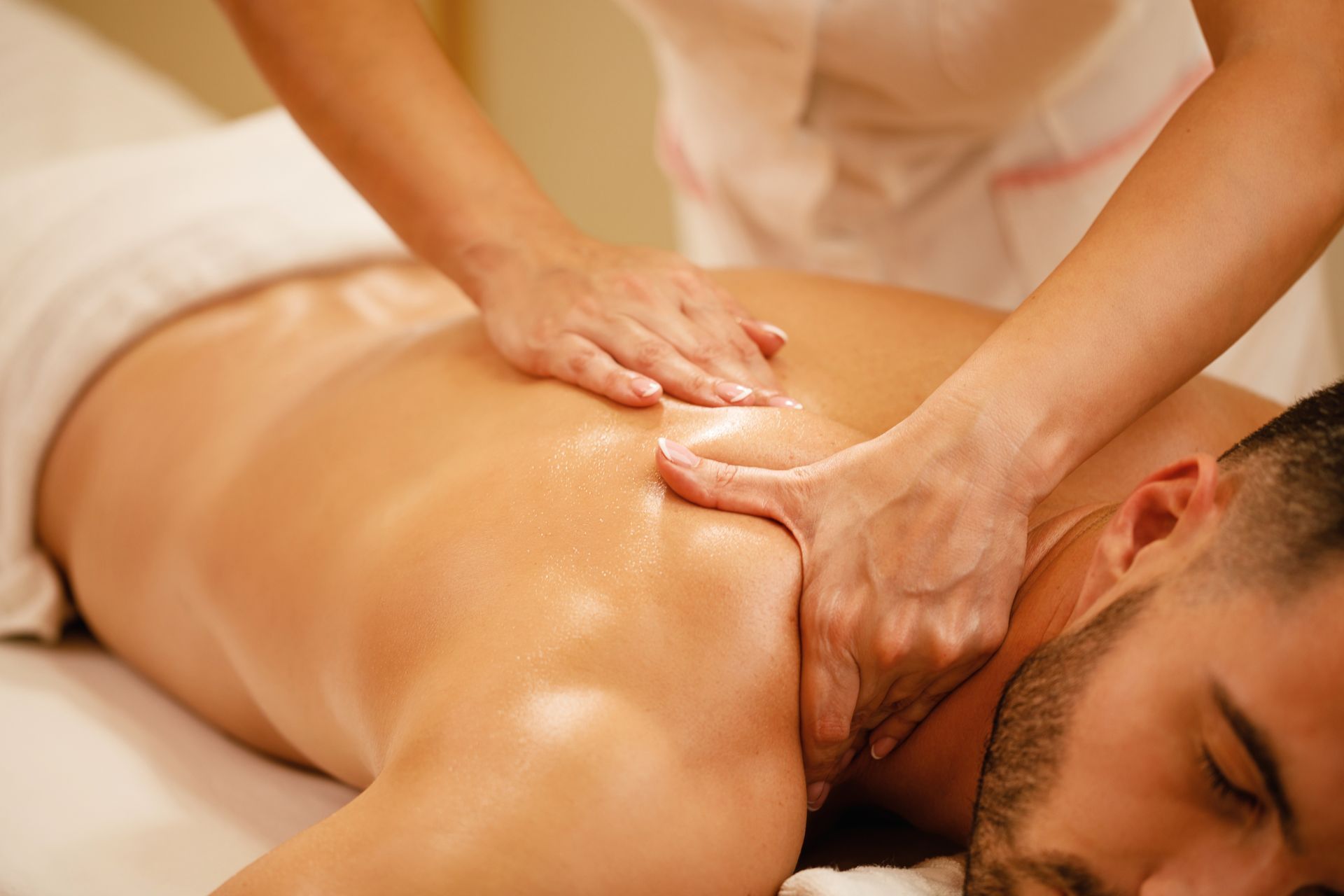
Massage therapy involves different techniques that work with soft tissues, and the approach can vary depending on the person's needs and physical condition. The National Center for Complementary and Integrative Health also notes that massage includes many different techniques and that evidence for its effects varies by condition. That's why we don't assume that the area that hurts the most should automatically receive the most attention.
Your Goal Helps Shape the Session
Two people can walk in with similar complaints and still need very different sessions. One person may want help with general muscle tension after a demanding week. Another may be looking for focused work around a particular area. Someone else may have a specific therapeutic goal that requires a different approach. Your goal gives us a starting point.
At our practice, we offer different massage techniques and modalities, so the session doesn't have to follow one standard sequence. The therapist can consider the information you provide and work within the appropriate scope of massage therapy.
This also means your feedback matters during the appointment. Pressure that feels comfortable in one area may not feel appropriate in another. If something is uncomfortable, too intense, or simply not what you expected, tell your therapist. Good communication isn't a distraction from treatment. It is part of it.
Technique Matters, But More Pressure Isn't Automatically Better
People sometimes assume that a therapeutic massage has to hurt to be effective. That's not a rule we follow. A therapist may use different amounts of pressure or different techniques depending on the treatment goal and the person's circumstances. Pushing harder isn't automatically a sign that the therapist is doing more.
The evidence around massage supports being careful with these claims. NCCIH reports that massage may provide short-term benefits for some types of pain. It includes neck and shoulder pain but the evidence varies and doesn't establish massage as a universal treatment for every pain condition.
There are also situations where extra caution is needed. NCCIH notes that massage generally has a low risk of harmful effects but that rare serious complications have been reported, particularly with vigorous massage or in people who may have a higher risk of injury. That is one reason we take the information gathered before treatment seriously.
When Massage May Not Be the Right Next Step
A responsible massage therapist shouldn't try to treat every complaint with massage. If your symptoms suggest a problem that falls outside the appropriate scope of massage therapy, the right response may be to seek evaluation from a qualified healthcare professional rather than simply booking another session.
This distinction matters because pain can have many causes. Massage may be appropriate for some people with certain musculoskeletal complaints, but it isn't a substitute for medical assessment when symptoms call for one.
NCCIH specifically advises people not to use massage therapy to postpone seeing a healthcare provider about a medical problem. It also recommends discussing concerns with a healthcare provider when you're unsure whether massage is appropriate. We take the same principle seriously. Our goal isn't to make every situation fit massage. It's to provide appropriate care when massage is a reasonable option.
What You Can Do to Help Us Plan the Session
You don't need to know which technique you need before you arrive. Instead, come prepared to explain what you're experiencing. It helps to tell us:
- What made you schedule the appointment
- Where you feel discomfort or tension
- How long you've noticed the problem
- Whether an injury or change in activity came before it
- What movements or activities affect it
- Any relevant medical information your therapist should know
- What pressure feels comfortable
- What you'd like to accomplish during the session
Be honest, too. If something has changed since you made the appointment, mention it. That information can be more useful than arriving with a predetermined idea that you need one specific technique.
Medical Massage Should Have a Reason Behind It
The word “medical” shouldn't mean that every session follows a complicated formula. It means the treatment should have a clear purpose and be approached with appropriate attention to the individual's needs.
At Peak Performance Chiropractic & Wellness, we use the information you provide, our professional training, and the goals of the session to determine how massage may fit your situation. We also recognize when a concern may need a different type of evaluation or care.
If you're searching for medical massage Buffalo, ask questions before treatment. You should understand what the session is intended to address and feel comfortable speaking up if something doesn't feel right.
Bottom Line
A medical massage therapist doesn't choose what to work on by simply following the location of your pain. The decision starts with your goals, symptoms, relevant history, and the information you share before and during the appointment.
The treatment may then be adjusted according to those factors and your response during the session. That's why two appointments don't necessarily look the same, even when the people receiving them describe similar discomfort.
If you're considering medical massage Buffalo, you don't need to arrive knowing exactly what treatment you need. Start by explaining what you're experiencing and what you hope to accomplish. From there, we can determine whether massage is appropriate and how the session should be approached.