

Medical Massage for Back Pain: Options and How It Compares With Chiropractic Care
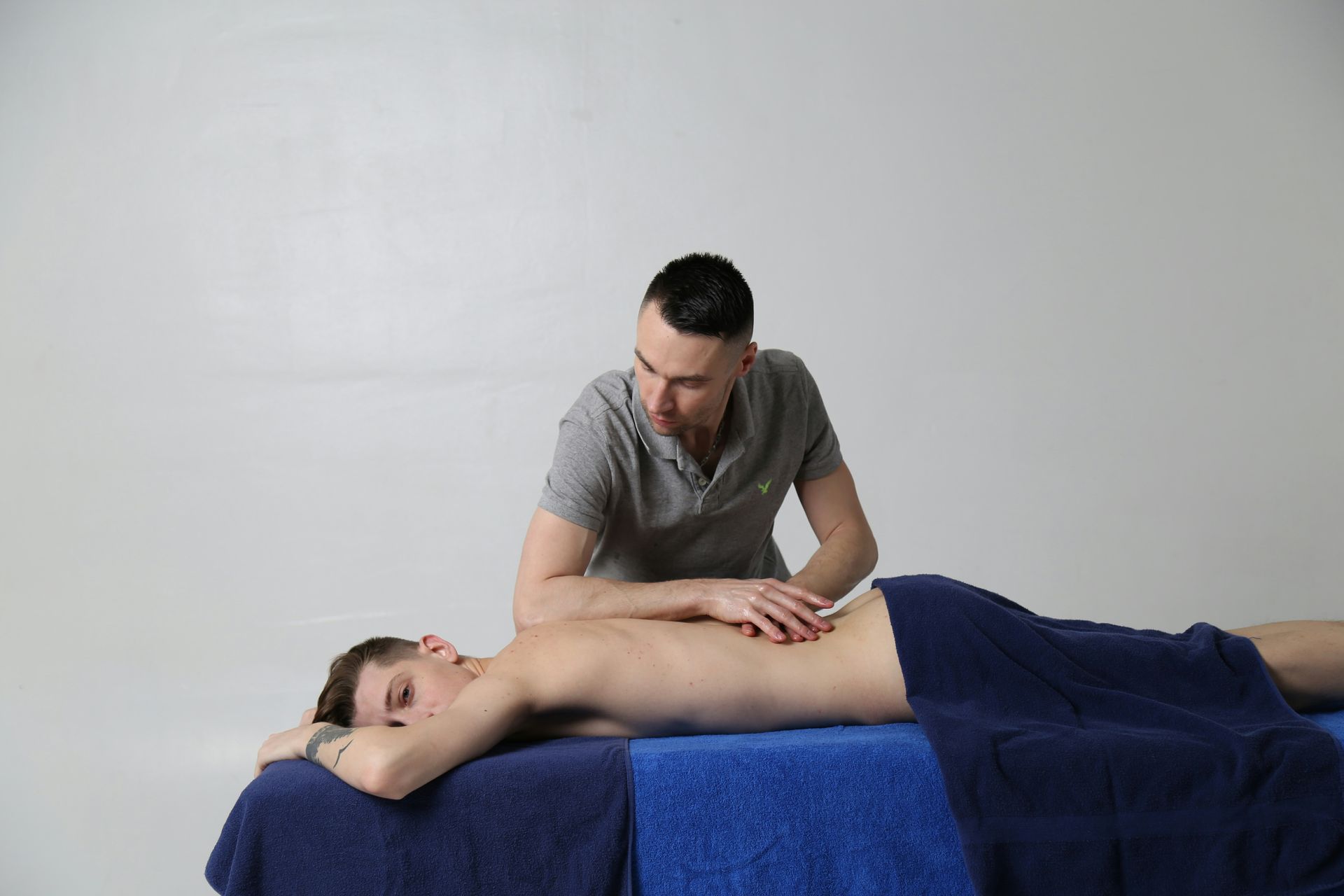
Back pain can turn ordinary tasks into a nuisance. Sitting at your desk gets uncomfortable, bending down hurts, and finding a decent sleeping position becomes a job in itself. Massage may help, but which type should you book? And would seeing a chiropractor make more sense? It depends on what's causing the pain.
Medical massage focuses on specific areas of concern, while chiropractic care involves assessing musculoskeletal problems and deciding what treatment may help. At Peak Performance Chiropractic & Wellness, we offer both services. Knowing what each involves can help you ask better questions before booking an appointment.
What is medical massage therapy?
Medical massage is planned around a particular concern rather than following the same routine for every client. The therapist considers where you feel discomfort, what makes it worse and what you'd like to improve.
For someone with back pain, the session may focus on tight muscles or other soft tissue around the affected area. The therapist can change the pressure and techniques based on your comfort. Deep pressure isn't always better. If it hurts, say so.
At Peak Performance Chiropractic & Wellness, our medical massage therapy service is available for people seeking help with concerns such as muscle tension and lower-back discomfort.
Massage can help some people with back pain, although relief may be temporary and results vary. It also won't address every cause of pain. The National Center for Complementary and Integrative Health reviews the available research on massage therapy and its possible benefits.
What type of massage is best for back pain?
There isn't one massage style that suits everyone. Therapeutic massage may help with muscle tightness, while deep tissue massage uses firmer pressure and may not suit every person.
Tell your therapist where it hurts, which movements make it worse, and whether you've had a recent injury or health condition.
If the pain keeps returning after massage, consider a broader assessment rather than repeating the same treatment. Our article on why pain may return after massage explains why relief may not last.
What is the difference between chiropractic care and massage therapy?
Massage therapy focuses on muscles and other soft tissues. It may help ease muscle tension and make movement more comfortable. Chiropractic care involves assessing musculoskeletal problems, including joint movement, and may include spinal manipulation or other hands-on treatment.
If muscle tightness is your main concern, massage may be worth considering. If pain limits your movement, a chiropractic assessment may help identify suitable treatment options. The right choice depends on your symptoms and health history, and some people may benefit from both.
At Peak Performance Chiropractic & Wellness, we offer both massage therapy and chiropractic care. You can learn more about our services on our homepage.
Should I see a chiropractor or massage therapist for back pain?
Start With Your Symptoms
Start with what you're experiencing.
- Does your back feel tight after sitting for long periods?
- Does the pain make it hard to bend or turn?
- Did it begin after an injury?
You don't need to work out the cause yourself. These details simply help a provider understand what's been happening.
When Might Massage or Chiropractic Care Help?
Massage may be worth considering when muscle tension is part of the problem and you want help managing the discomfort. A chiropractic assessment may be useful when back pain comes with restricted movement or other musculoskeletal symptoms.
If the pain keeps returning, interferes with daily activities or isn't improving, repeating the same treatment may not be the answer. You may need a different approach or a medical assessment to find out what's causing it.
When Should You Seek Medical Attention?
Some symptoms shouldn't wait for a massage or chiropractic appointment. Seek emergency medical care if back pain comes with new loss of bladder or bowel control, numbness around the groin or saddle area, or significant or worsening leg weakness. Back pain following a serious injury also needs prompt medical assessment.
What Does the Research Say?
The National Center for Complementary and Integrative Health's guidance on low-back pain discusses the evidence for massage and spinal manipulation. Neither treatment suits every cause of back pain, so your symptoms and health history matter when deciding what to try.
How can you decide which treatment to try?
You don't have to choose a treatment before speaking with a provider. Start by explaining when the pain began, what makes it worse and how it affects your day. Mention any previous injuries or other symptoms.
At Peak Performance Chiropractic & Wellness, we can discuss whether medical massage or chiropractic care may be suitable for your situation. If your symptoms need medical evaluation first, get that checked before starting treatment.
Frequently Asked Questions
Can medical massage make back pain worse?
Some people feel sore after massage, especially when firmer pressure is used. Tell your therapist if discomfort increases. Severe or worsening pain needs medical attention.
How many massage sessions might I need for back pain?
There's no fixed number. It depends on your symptoms and how you respond to treatment. Discuss your progress with your therapist instead of assuming you need ongoing sessions.
Can I have massage and chiropractic care on the same day?
That suits some people, depending on their condition and planned treatment. Ask your providers whether combining sessions is appropriate for you.
Should I get medical clearance before a massage?
If you've had a recent injury, have a significant health condition or are experiencing unexplained symptoms, speak with an appropriate healthcare professional first. Massage isn't suitable for every cause of back pain.