This is a subtitle for your new post

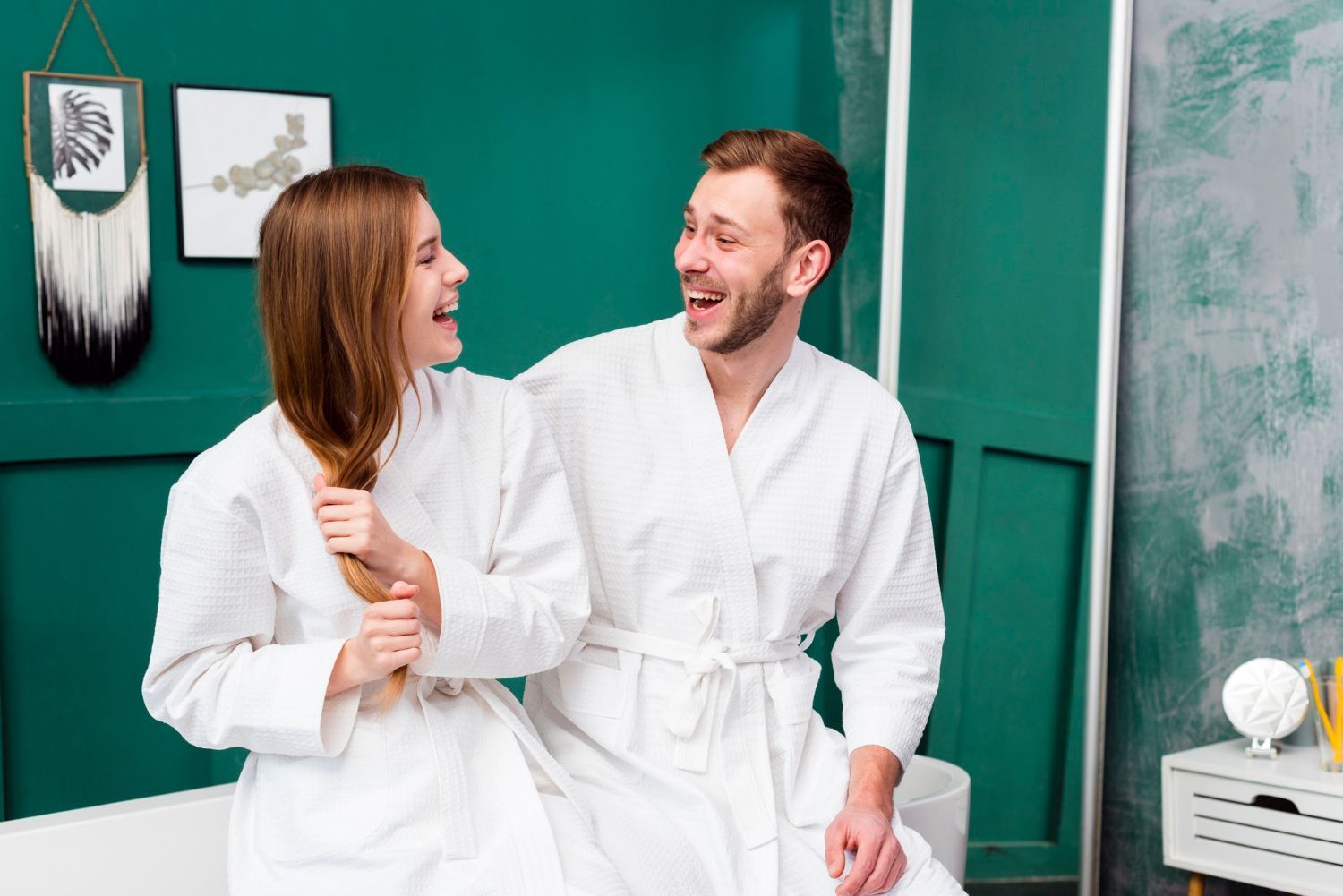
Burnout has a way of settling into daily life quietly. It shows up as fatigue that doesn’t go away, irritability over small things, and a feeling that even rest isn’t restoring energy anymore. For many people, shared stress between partners becomes just as heavy as individual stress. That is often why searches for couples massage near me have increased; people are looking for ways to reset together, not separately.


At Peak Performance Chiropractic & Wellness, we see how stress doesn’t stay isolated in one part of the body or one person in a relationship. It spreads through posture, sleep quality, and emotional connection. A couple's massage can be more than relaxation; it becomes a shared recovery experience that supports both physical and emotional balance.


Why Burnout Feels Different When Shared

When two people are living under constant pressure, work deadlines, parenting demands, and financial stress, it doesn’t just affect individual health. It impacts communication, patience, and even physical tension patterns. One partner’s tight shoulders often mirror the other’s restless sleep.


This is why many clients begin searching for couples massage near me when they realize that separate self-care isn’t enough. Shared wellness experiences help reset the nervous system in a synchronized way, creating calm at the same time.


We often remind patients that recovery is more effective when the body and mind are not operating in isolation from the people closest to us.


What a Couples Massage Really Does

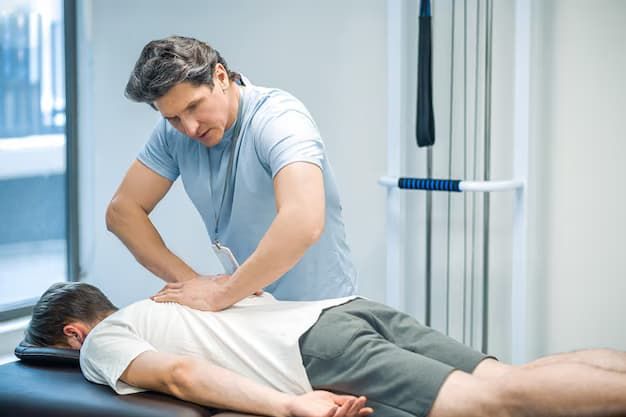
A couple's massage is more than shared relaxation in one room. It is a coordinated therapy that supports physical and nervous system recovery.


  • Reduces muscular tension across the neck and shoulders.
  • Improves circulation and oxygen flow in tissues.
  • Activates the parasympathetic nervous system for rest and recovery.
  • Releases fascia and eases lower back and leg tightness.
  • supports better sleep and reduced headaches over time after each massage session


These benefits extend beyond relaxation, helping the body restore balance and calm. We support lasting recovery through integrated care.


The Connection Between Touch and Stress Relief

Touch is one of the most direct ways to regulate the nervous system. When the body experiences safe, consistent pressure, cortisol levels drop and serotonin increases. This biological response is not emotional; it is physiological.


Couples often notice that after a session, communication feels easier and less reactive. The shared environment creates a sense of safety and grounding that extends beyond the treatment room.


It’s common for people to search for couples massage near me during high-stress seasons like holidays or major life transitions. What they are really seeking is not just relaxation, but stability.


We see this pattern often: when the nervous system calms, relationships naturally become more patient and connected.


Why Couples Are Choosing This Over Traditional Spa Days

Traditional spa visits focus on individual relaxation. Couples massage creates a shared experience that changes that dynamic.

  • Encourages shared presence without distractions like phones or tasks.
  • Strengthens emotional connection through synchronized relaxation and a calm environment.
  • Helps reset stress patterns and improves overall mental alignment after sessions.
  • Often discovered after searching for couples massage near me during burnout moments.

We see couples regain balance when care is shared intentionally together. This approach supports deeper recovery, improved communication, and long-term wellness beyond traditional spa relaxation methods and services.


How It Fits Into Chiropractic and Whole-Body Care

Muscle tension is often connected to spinal alignment and nervous system stress. When posture is off, muscles compensate, creating chronic tightness. Massage helps release that tension, while chiropractic care addresses the structural cause.

Used together, they create a more complete recovery system. Patients who combine both often report longer-lasting relief and fewer flare-ups of tension-related discomfort.


When people search for couples massage near me, they are often already feeling the physical effects of imbalance, tight necks, lower back stiffness, or tension headaches. Addressing these symptoms early prevents deeper issues from developing. We focus on helping patients understand how these systems connect, so recovery is not temporary but sustainable.


Signs You May Need a Couples Reset

Burnout doesn’t always look dramatic. Sometimes it appears as quiet withdrawal, shorter conversations, or constant fatigue that doesn’t improve with rest. Physical signs include jaw tension, shoulder tightness, and disrupted sleep.


If both partners are experiencing these symptoms, it may be time to consider shared recovery. Searching for couples massage near me is often the first step people take when they recognize that stress has become a shared experience.


A structured massage session helps interrupt that cycle and allows the nervous system to reset in a controlled, supportive environment.


What to Expect During Your Visit

Your visit is designed to be simple, calm, and supportive from the moment you arrive. The goal is to help both partners feel comfortable while receiving personalized care.


  • Starts with a brief consultation on tension areas and comfort needs.
  • Each person receives individualized attention in a shared, quiet space.
  • A calm, warm setting helps reduce sensory overload and supports relaxation.
  • Many arrive after searching for couples massage near me, unsure of expectations.


At Peak Performance Chiropractic & Wellness, every session is centered on comfort and trust. We ensure both physical ease and emotional balance through thoughtful, personalized care.


Building Better Wellness Habits Together

Wellness is easier to maintain when it becomes a shared habit. Couples who schedule regular recovery sessions often report better sleep, fewer stress-related arguments, and improved energy throughout the week. Instead of treating stress after it builds up, proactive care helps prevent it from accumulating in the first place.


For many, the journey begins with a simple search for couples massage near me, but it evolves into a long-term approach to health that includes movement, alignment, and mindful recovery. We encourage couples to think of wellness as something practiced together, not separately.


Conclusion

Burnout doesn’t have to become the background of a relationship. With the right support, it can be managed, reduced, and even prevented. Couples massage offers a practical way to reset both body and connection at the same time.


For those exploring couples massage near me, the goal is often more than comfort; it’s restoration, balance, and shared relief from ongoing stress.


At Peak Performance Chiropractic & Wellness, we believe recovery should support the whole person and the relationships that matter most. When stress is shared, healing should be shared too.
Table Thai Massage
By S21 GMB June 26, 2026
At Peak Performance Chiropractic, we are always looking for evidence-informed ways to help our patients and community improve movement, reduce muscle tension, and support their overall health. We are excited to introduce Table Thai massage with our Licensed Massage Therapist, Chris
By S21 GMB June 19, 2026
Hip pain is one of the most common musculoskeletal complaints we see at Peak Performance Chiropractic & Massage in Buffalo, NY. Whether you're a runner training for a marathon, a busy parent, or someone who spends most of the day sitting at a desk, hip pain can significantly affect your quality of life. One of the challenges with hip pain is that the hip joint sits at the crossroads of the lower back, pelvis, and legs. Because of this, pain felt in the hip isn't always coming from the hip itself. Sometimes the source is the spine, surrounding muscles, tendons, or even nerves.  Understanding where your pain is located, what activities aggravate it, and what other symptoms accompany it can provide clues about the underlying condition. Let's explore some of the most common causes of hip pain and what your symptoms might mean. Hip Osteoarthritis: Deep Joint Pain and Stiffness Hip osteoarthritis occurs when the cartilage that cushions the hip joint gradually wears down over time. It is more common as we age but can also develop after previous injuries or due to certain anatomical factors. Common Symptoms: Deep aching pain in the groin or front of the hip Morning stiffness that improves with movement Pain after prolonged standing or walking Difficulty putting on shoes and socks Reduced range of motion Many people are surprised to learn that hip arthritis often causes groin pain rather than pain on the outside of the hip. If you find yourself struggling to rotate your leg or experiencing stiffness when getting out of a car, arthritis may be contributing to your symptoms. Chiropractic care, soft tissue therapy, exercise, and mobility work can often help improve function and reduce discomfort associated with hip osteoarthritis. Greater Trochanteric Pain Syndrome: Pain on the Outside of the Hip Many people refer to this condition as "hip bursitis," although research has shown that irritation of the gluteal tendons is often involved as well. Common Symptoms: Pain on the outer side of the hip Tenderness when pressing on the side of the hip Pain while lying on the affected side Discomfort during walking or climbing stairs Pain that worsens after prolonged activity This condition is particularly common among runners, walkers, and individuals who spend a lot of time on their feet. Massage therapy can help address tight surrounding muscles, while chiropractic care and exercise recommendations can improve biomechanics and reduce stress on irritated tissues. Hip Flexor Strain: Pain in the Front of the Hip The hip flexors are a group of muscles that help lift your knee and bend your hip. Athletes, runners, cyclists, and people who sit for prolonged periods frequently experience hip flexor issues. Common Symptoms: Pain in the front of the hip or groin Pain when lifting the knee Tightness after sitting Discomfort during running, kicking, or climbing stairs Muscle tenderness Hip flexor strains can range from mild irritation to significant muscle injuries. Treatment often focuses on reducing muscle tension, restoring mobility, and gradually rebuilding strength. Labral Tears: Clicking, Catching, and Deep Hip Pain The hip labrum is a ring of cartilage that helps stabilize the hip joint. Labral tears can occur due to trauma, repetitive stress, or structural variations within the hip. Common Symptoms: Deep groin pain Clicking, popping, or catching sensations Feeling like the hip is "sticking" Pain during twisting movements Discomfort during prolonged sitting While not every clicking hip indicates a labral tear, persistent mechanical symptoms deserve evaluation. Proper diagnosis can help determine whether conservative care or additional medical intervention may be appropriate. Piriformis Syndrome: Hip Pain with Sciatica-Like Symptoms The piriformis is a small muscle located deep in the buttock. When irritated, it can sometimes affect the nearby sciatic nerve. Common Symptoms: Pain deep in the buttock Pain that radiates down the back of the leg Increased discomfort when sitting Relief with standing or walking Tightness in the gluteal region Because piriformis syndrome can mimic sciatica, a thorough examination is important. Chiropractic care and massage therapy often work well together to address muscular tension and improve movement patterns. Lumbar Radiculopathy: When the Hip Isn't the Problem Not all hip pain originates from the hip joint. Sometimes the lower back is responsible. A bulging disc, spinal arthritis, or other lumbar spine condition can irritate nerves that travel into the hip and leg. Common Symptoms: Hip pain accompanied by low back pain Numbness or tingling down the leg Burning or shooting sensations Weakness in the leg Symptoms that change with spinal movement If your hip pain travels below the knee or is accompanied by neurological symptoms, the source may be your spine rather than your hip. This is one reason a comprehensive evaluation is so important before beginning treatment. Sacroiliac (SI) Joint Dysfunction: Pain Near the Hip and Pelvis The sacroiliac joints connect the pelvis to the spine. Dysfunction in these joints can produce pain that feels remarkably similar to hip pain. Common Symptoms: Pain near the back of the hip Pain near the dimples of the lower back Pain when standing from a seated position Discomfort while walking Pain that may radiate into the buttock SI joint dysfunction commonly occurs after pregnancy, falls, repetitive activities, or prolonged asymmetrical postures. Hip Impingement (FAI): Pain During Movement Femoroacetabular impingement (FAI) occurs when the bones of the hip joint do not move together smoothly. Over time, this can create irritation within the joint. Common Symptoms: Groin pain during activity Pain with squatting Pain when sitting for long periods Reduced hip mobility Pinching sensation in the front of the hip FAI is often seen in active adults and athletes. Improving movement patterns and maintaining appropriate hip mobility can often help manage symptoms. Muscle Strains and Tendon Injuries Sometimes hip pain is simply the result of an overworked muscle or tendon. Common muscles involved include: Gluteus medius Gluteus minimus Hamstrings Adductors (groin muscles) Hip flexors Common Symptoms: Localized pain Tenderness to touch Pain with specific movements Symptoms related to exercise or activity These injuries often respond well to a combination of manual therapy, exercise, and gradual return to activity. When Should You Seek Care? While many causes of hip pain are musculoskeletal, some symptoms require prompt medical evaluation. Contact a healthcare provider if you experience: Severe pain following trauma Inability to bear weight Significant swelling Fever accompanying hip pain Unexplained weight loss Progressive weakness Loss of bowel or bladder control These symptoms may indicate a more serious condition requiring immediate attention. How Chiropractic Care and Massage Therapy Can Help At Peak Performance Chiropractic & Massage, we take a comprehensive approach to evaluating hip pain. Because the source of symptoms isn't always obvious, a thorough examination helps identify whether the issue is originating from the hip joint, surrounding muscles, pelvis, or lower back. Treatment may include: Chiropractic adjustments when appropriate Soft tissue therapy Massage therapy Mobility exercises Strengthening recommendations Movement and posture education Activity modifications Our goal is not only to reduce pain but also to improve function and help prevent future flare-ups. Don't Ignore Hip Pain Hip pain is not something you simply have to "live with." Whether your symptoms stem from arthritis, tendon irritation, a muscle strain, spinal involvement, or another condition, identifying the underlying cause is the first step toward effective treatment. If you're experiencing hip pain in Buffalo or Western New York, the team at Peak Performance Chiropractic & Massage is here to help. Through evidence-informed chiropractic care, massage therapy, and individualized treatment plans, we can help you get back to doing the activities you enjoy with less pain and better movement. Bethany Wolcott, DC
deep tissue massage in Hamburg
By S21 GMB June 17, 2026
Discover 7 strange body reactions after a deep tissue massage in Hamburg and what they mean for recovery, healing, and overall wellness.
Understanding Contrast Therapy
By S21 GMB June 12, 2026
If you've spent any time on social media lately, you've probably seen people climbing into ice baths, sitting in saunas, or enthusiastically talking about their "contrast therapy" routine. But what exactly is contrast therapy? Is it worth trying? And what are the potential benefits and risks? Let's dive in.
Happy Pride Month from Peak Performance!
June 5, 2026
June is Pride Month, a time to celebrate love, authenticity, community, and the ongoing pursuit of equality for LGBTQIA+ individuals. At Peak Performance, we're proud to join in that celebration and reaffirm something that we believe should be true every day of the year: everyone deserves to feel welcome & respected
benefits of lymphatic drainage massage
By S21 GMB June 2, 2026
Explore the benefits of lymphatic drainage massage for remote workers. Improve circulation, reduce swelling, and support daily wellness naturally.
Chiropractor tips for roadtrip
By Solution21 Team May 29, 2026
Road Trip Ready: How to Survive Long Car Rides Without Neck and Back Pain Summer is officially road trip season. Whether your are visiting family, or packing the car for a weekend getaway, one thing is almost guaranteed: your body may not love sitting in the car for hours
car accident chiropractic
By S21 GMB May 29, 2026
Discover why the first 72 hours after a crash are critical and how car accident chiropractic care supports faster, safer recovery from injuries.
Craniosacral massage
By S21 GMB May 21, 2026
Discover how craniosacral massage supports the nervous system, reduces tension, and complements traditional therapies for lasting relief.
By S21 GMB May 15, 2026
If you've ever stood in the recovery aisle at a sporting goods store or scrolled through fitness content online, you've probably asked yourself: Do I really need all of this? Foam rollers, massage guns, lacrosse balls, mobility tools... and then there's professional massage therapy sitting on the other end of the spectrum. So what's actually worth your time (and money)? And more importantly—what's going to help you feel better and move better? Let's break it down in a way that actually makes sense. First, What Are We Trying to Accomplish? Before we compare tools; it's important to understand the goal. Most people are using foam rollers or booking massages because they want to: Reduce muscle tightness Improve mobility Decrease soreness Recover faster from workouts Feel less stiff during the workday All solid goals. The question is: which approach gets you there most effectively—and when? Foam Rolling: The DIY Approach Foam rolling (a form of self-myofascial release) is essentially a way to apply pressure to your own muscles using your body weight. You roll over tight areas, pause on tender spots, and hope for that "good hurt" feeling that signals something is happening. The pros: It's accessible —you can do it anytime It's relatively inexpensive It gives you some control over pressure and location It can be a great warm-up or cool-down tool The limitations: It's hard to fully relax while supporting your own body weight You can't easily target certain areas (looking at you, upper traps and neck) Pressure is inconsistent depending on positioning It's easy to rush through it or avoid the spots that actually need attention Foam rolling works best as a maintenance tool , not a fix-all solution. Think of it like brushing your teeth—it helps keep things in check, but it doesn't replace going to the dentist. Massage Therapy: The Hands-On Advantage Massage therapy takes a different approach. Instead of trying to manage everything yourself, you have a trained provider assessing and treating your body directly. The pros: Targeted treatment of specific problem areas Ability to fully relax (which matters more than you think) Consistent, controlled pressure Techniques that go beyond what you can replicate on your own Real-time feedback and adjustments The limitations: It requires scheduling It's more of an investment than a foam roller You can't do it daily (unless you've got unlimited time and budget—which, if so, congrats) Massage is typically more effective for: Persistent tightness Areas you can't reach Recovery after intense activity Stress-related tension Situations where your body just won't "let go" on its own Why Relaxation Actually Matters Here's something people often overlook: your nervous system plays a huge role in muscle tension. When you're foam rolling, you're often bracing, balancing, and thinking about what you're doing. That keeps your body in a more active state. During a message, you're lying down, supported, and able to fully relax. That shift allows your nervous system to downregulate, which can make muscles more receptive to change. In simple terms: Relaxed muscles respond better to treatment. That doesn't mean foam rolling is useless—it just means it operates differently What the Research (and Reality) Suggests Foam rolling has been shown to: Temporarily improve range of motion Reduce perception of soreness Be helpful as part of a warm-up Massage therapy has been shown to: Reduce pain and muscle tension Improve circulation Support recovery Help regulate stress Notice a theme? Both have benefits—but they're not interchangeable. When to Use a Foam Roller Foam rolling is a great option when you: Need a quick reset during the day Want to warm up before a workout Feel general tightness but nothing too specific Are maintaining progress between appointments A few tips to make it more effective: Slow down (this isn't a race) Breathe—don't hold tension while trying to relieve tension Spend extra time on areas that feel restricted Avoid rolling directly over joints or sharp pain Consistency beats intensity here. When to Book a Massage Massage therapy is the better choice when: You've had the same tight spot for weeks (or months) Foam rolling isn't cutting it anymore You're dealing with stress that's showing up physically You're recovering from a tough workout, race, or busy stretch of life You want a more targeted, individualized approach It's also worth noting: sometimes the issues isn't where you feel it. A trained provider can identify contributing areas you might not even think to address. The Best Approach? Use Both. This isn't an either/or situation—it's a both/and. Foam rolling and massage therapy actually complement each other really well. Think of it like this: Massage Therapy helps reset your system and address deeper or more stubborn issues Foam rolling helps you maintain those improvements between visits If you only rely on one, you're probably leaving some benefits on the table. A Simple Game Plan If you're not sure where to start, try this: Daily or near-daily: Light foam rolling (5–10 minutes) + simple movement As needed: Longer foam rolling sessions after workouts Every few weeks (or based on your needs): Massage therapy for deeper work and recovery Adjust based on your activity level, stress, and how your body feels The Bottom Line Foam rollers are convenient, affordable, and useful—but they have limits. Massage therapy is more targeted, more effective for stubborn issues, and allows your body to truly relax—but it requires a bit more planning. If your goal is to move better, feel better, and stay consistent with your health, the best strategy isn't choosing one over the other. It's knowing when to use each. Final Thought If you've been aggressively rolling the same tight spot for weeks and it's still hanging around, that's your sign—it might be time to bring in some backup. And if you've been relying only on massage but doing nothing in between, a foam roller might be the missing piece to help those results last longer. Your body doesn't need perfection—it just needs a little consistency and the right tools at the right time.  Bethany Wolcott, DC D’Youville Chiropractic ‘26
Show More