
The Impact of Footwear on Spinal Health
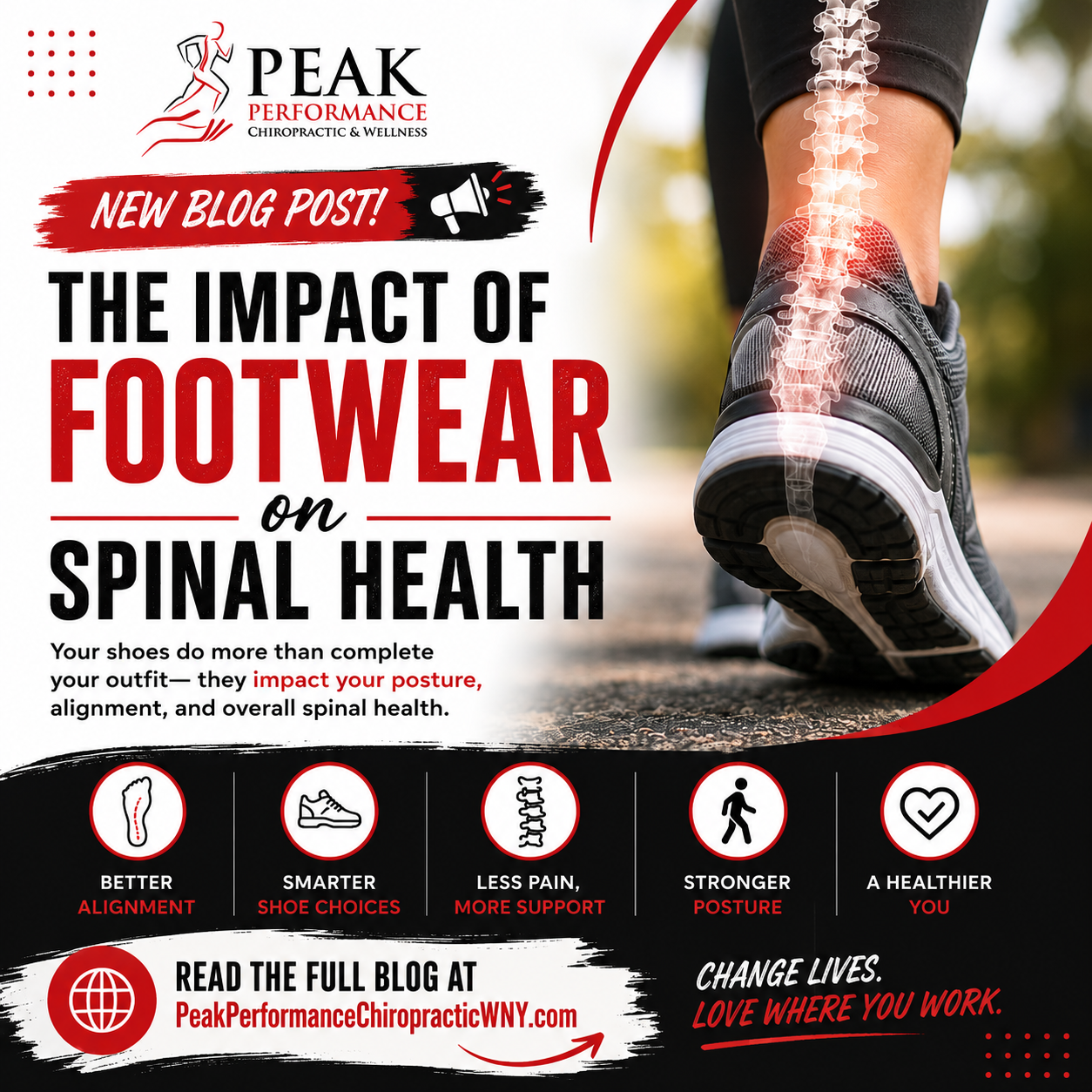
Shoes are more than just a fashion statement—they play a crucial role in spinal health. The footwear you choose affects your posture, gait, and the way forces are distributed throughout your body. Poor shoe choices can lead to misalignment, discomfort, and even chronic pain in your feet, knees, hips, and spine. Understanding the connection between footwear and spinal health can help you make better choices to support your body from the ground up.
How Footwear Affects Posture and Spinal Alignment
Your feet serve as the foundation for your entire skeletal system. When they are properly supported, your body maintains a natural and balanced alignment. However, improper footwear can create a domino effect that disrupts this balance and leads to spinal issues.
1. Arch Support and Its Role in Spinal Health
The arches of your feet act as natural shock absorbers, distributing weight evenly as you walk. Shoes that lack proper arch support force your feet to compensate, which can lead to overpronation (rolling inward) or supination (rolling outward). These imbalances can contribute to knee, hip, and lower back pain by altering your natural gait.
2. Heel Height and Spinal Curvature
High heels, while stylish, can wreak havoc on spinal health. Elevated heels shift your center of gravity forward, causing the lower back to overarch and placing excessive pressure on the lumbar spine. This unnatural position can lead to lower back pain, muscle strain, and even long-term spinal misalignment. Over time, wearing high heels regularly can contribute to conditions like sciatica and degenerative disc disease.
3. Cushioning and Shock Absorption
Every step you take generates an impact that travels up your body. Properly cushioned footwear absorbs this shock, reducing stress on the joints and spine. Shoes with inadequate cushioning fail to dampen these forces, leading to increased wear and tear on the spine over time.
Common Footwear Choices and Their Effects on the Spine
Some shoes are better for spinal health than others. Below is a breakdown of how different types of footwear impact your posture and spine:
1. High Heels
- Pushes weight forward, leading to excessive lower back arching
- Strains the calves, knees, and lower back
- Increases risk of chronic lower back pain and postural imbalances
2. Flat Shoes with No Support
- Lack of arch support leads to overpronation or supination
- Can contribute to plantar fasciitis, knee pain, and lower back discomfort
- Often fails to absorb impact, increasing stress on the spine
3. Flip-Flops
- Lack of support causes instability
- Alters natural walking mechanics, increasing strain on the lower back
- Can lead to heel pain, arch collapse, and poor posture
4. Running Shoes
- Designed with arch support and shock absorption
- Can help maintain proper spinal alignment if chosen correctly
- Essential for individuals who are active and on their feet often
5. Orthopedic and Supportive Footwear
- Provides proper arch support and cushioning
- Promotes even weight distribution
- Can prevent and alleviate spinal discomfort
How to Choose the Right Footwear for Spinal Health
To keep your spine healthy, it’s important to select shoes that provide adequate support and comfort. Here are some factors to consider:
1. Arch Support
Look for shoes with built-in arch support that match the natural curve of your foot. If your shoes lack support, consider adding custom orthotics.
2. Heel Height
Avoid excessively high heels. If you must wear them, limit their use and opt for a lower, wider heel to provide more stability.
3. Cushioning
Choose shoes with good cushioning to absorb impact and reduce stress on your spine. Running shoes and orthopedic footwear often provide the best shock absorption.
4. Fit and Stability
Your shoes should fit snugly without being too tight. They should provide stability without forcing your feet into unnatural positions.
5. Material and Flexibility
Shoes should be made of breathable, flexible materials that allow natural movement without restricting the foot.
The Role of Chiropractic Care in Footwear-Related Spinal Issues
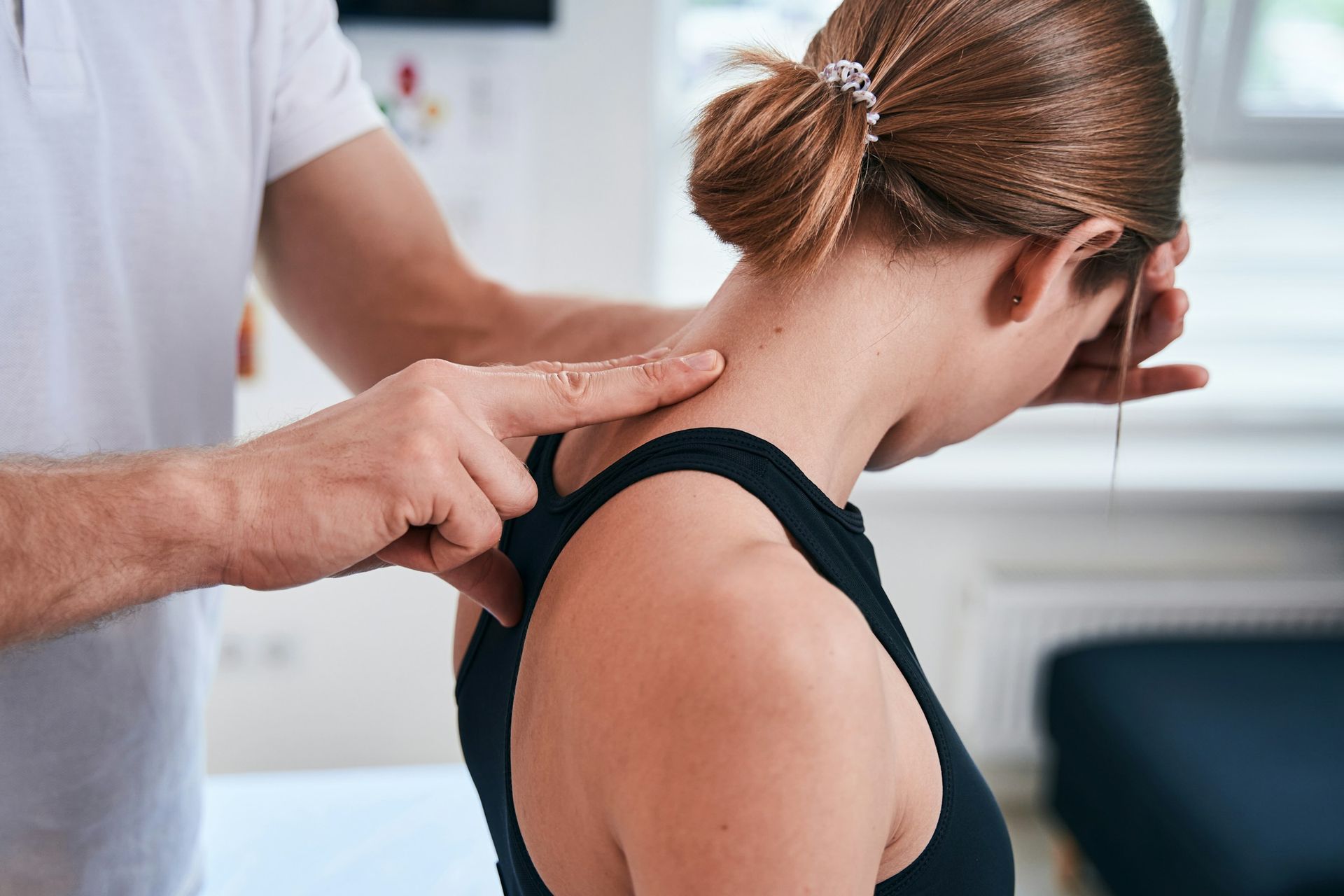
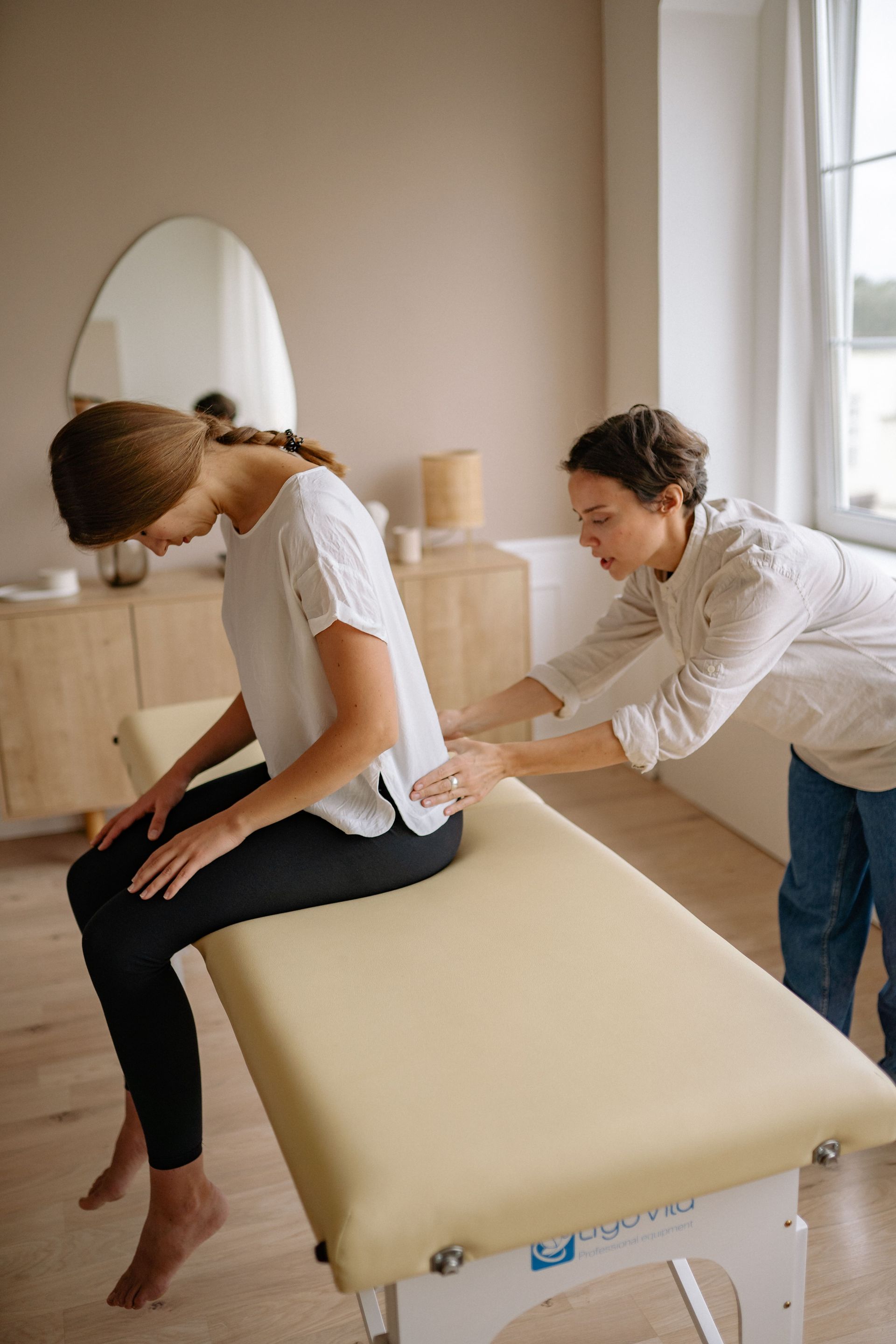
If you’ve been experiencing back pain, your footwear could be a contributing factor. Chiropractors can assess your gait, posture, and spinal alignment to determine whether your shoes are negatively impacting your health.
1. Gait Analysis
A chiropractor can evaluate how you walk and identify any imbalances caused by poor footwear choices.
2. Spinal Adjustments
If improper footwear has led to misalignment, chiropractic adjustments can help restore balance and relieve pain.
3. Postural Education
Chiropractors can offer guidance on choosing the right footwear and making ergonomic adjustments to prevent further spinal issues.
Final Thoughts
The shoes you wear every day have a profound impact on your spinal health. From arch support to heel height, every detail matters when it comes to maintaining proper alignment and reducing pain. By making informed footwear choices and seeking chiropractic care when needed, you can support your spine and prevent long-term complications.
If you’re experiencing back pain or discomfort, consider evaluating your footwear. Schedule a consultation at Peak Performance to learn how chiropractic care and proper shoe choices can help keep your spine in optimal condition.
Bethany Wolcott, DC