
Osteoarthritis: Understanding the "Wear and Tear" Joint Disease and How Chiropractic Care Can Help

If you've ever experienced stiff knees when getting out of bed or aching hips after a long day, you're not alone. Osteoarthritis is the most common form of arthritis, affecting millions of people worldwide. While it's often associated with aging, osteoarthritis isn't simply an inevitable part of getting older. Understanding how it develops, recognizing the early warning signs, and taking proactive steps to protect your joints can help you stay active and comfortable for years to come.
At our chiropractic and massage therapy office, we frequently work with patients who are living with osteoarthritis. While there is no cure for the condition, conservative treatments such as chiropractic care, massage therapy, exercise, and healthy lifestyle choices can play an important role in managing symptoms and improving quality of life.
What Is Osteoarthritis?
Osteoarthritis (OA) is a degenerative joint disease that occurs when the protective cartilage covering the ends of bones gradually breaks down. Healthy cartilage acts as a cushion, allowing bones to glide smoothly over one another during movement. As cartilage wears away, bones begin rubbing together, leading to pain, stiffness, inflammation, and reduced mobility.
Unlike autoimmune forms of arthritis, such as rheumatoid arthritis, osteoarthritis develops over time due to mechanical stress and changes within the joint. It most commonly affects weight-bearing joints such as the knees, hips, and spine, but it can also occur in the hands, shoulders, and other joints throughout the body.
How Does Osteoarthritis Develop?
Although many people think osteoarthritis is simply caused by years of use, the reality is more complex. Several factors contribute to the development of OA.
Over time, cartilage naturally loses some of its ability to repair itself. Repetitive stress from daily activities, sports, or physically demanding jobs can gradually damage joint tissues. Previous injuries, including ligament tears or fractures, may alter joint mechanics and accelerate cartilage breakdown years after the original injury.
As cartilage becomes thinner, the body attempts to stabilize the joint by producing extra bone called bone spurs (osteophytes). The lining of the joint may also become inflamed, contributing to swelling and discomfort. Eventually, everyday movements that were once painless can become increasingly difficult.
Common Symptoms
Osteoarthritis symptoms usually develop gradually rather than appearing suddenly. Common signs include:
- Joint pain during or after activity
- Morning stiffness that improves after moving around
- Reduced flexibility or range of motion
- Swelling around the affected joint
- A grinding, popping, or cracking sensation during movement
- Tenderness when pressure is applied to the joint
- Difficulty performing daily activities like climbing stairs, gardening, or opening jars
Symptoms often fluctuate. Some days may feel relatively normal, while others bring increased pain, especially after strenuous activity or prolonged inactivity.
Who Is at Risk?
While aging is one of the strongest risk factors, many other factors increase the likelihood of developing osteoarthritis.
Risk factors include:
- Being over age 50
- Previous joint injuries
- Repetitive occupational activities
- Participation in high-impact sports
- Excess body weight
- Family history of osteoarthritis
- Muscle weakness
- Poor joint alignment or posture
- Certain congenital joint abnormalities
Having one or more risk factors doesn't guarantee someone will develop OA, but it does increase the importance of maintaining healthy joints through regular movement and preventive care.
Can Osteoarthritis Be Prevented?
Although it isn't always possible to completely prevent osteoarthritis, many lifestyle habits can significantly reduce your risk or slow its progression.
Stay Physically Active
Movement nourishes cartilage by improving circulation of joint fluid. Regular exercise also strengthens the muscles surrounding joints, providing better support and stability.
Excellent low-impact exercises include:
- Walking
- Swimming
- Water aerobics
- Cycling
- Yoga
- Tai Chi
Aim for consistent movement rather than occasional intense workouts.
Strengthen Supporting Muscles
Strong muscles absorb some of the forces placed on joints during daily activities. A well-designed strengthening program can reduce stress on arthritic joints while improving balance and function.
Practice Good Posture
Proper posture helps distribute forces evenly throughout the body. Poor posture can place excessive stress on certain joints, particularly the neck, shoulders, hips, and spine.
Protect Your Joints
Using proper body mechanics when lifting, avoiding repetitive strain, and taking breaks during physically demanding tasks can reduce unnecessary wear on your joints.
Maintain a Healthy Weight
Every extra pound of body weight places additional stress on the knees, hips, ankles, and lower back. Maintaining a healthy weight reduces joint loading and can dramatically decrease pain for individuals who already have osteoarthritis.
How Is Osteoarthritis Diagnosed?
Healthcare providers typically diagnose osteoarthritis through a combination of medical history, physical examination, and imaging studies.
During an examination, your provider may evaluate:
- Joint movement
- Areas of tenderness
- Swelling
- Muscle strength
- Walking mechanics
- Range of motion
X-rays can reveal narrowing of joint spaces, bone spurs, and other characteristic changes. In some cases, MRI imaging may be recommended to evaluate cartilage and surrounding soft tissues.
How Chiropractic Care Can Help
Many people with osteoarthritis assume they simply have to live with chronic pain. Fortunately, conservative treatments often provide significant relief.
Chiropractic care focuses on improving joint mobility, reducing stiffness, and restoring normal movement patterns. Gentle spinal and extremity joint mobilization may help improve flexibility while reducing stress on surrounding tissues.
A chiropractor may also recommend:
- Personalized stretching programs
- Strengthening exercises
- Posture correction
- Ergonomic recommendations
- Lifestyle modifications to reduce joint stress
It's important to note that chiropractic treatment does not reverse cartilage loss. Instead, the goal is to improve how the joints function, decrease discomfort, and help patients remain active.
The Benefits of Massage Therapy
Massage therapy can be an excellent complement to chiropractic care for individuals with osteoarthritis.
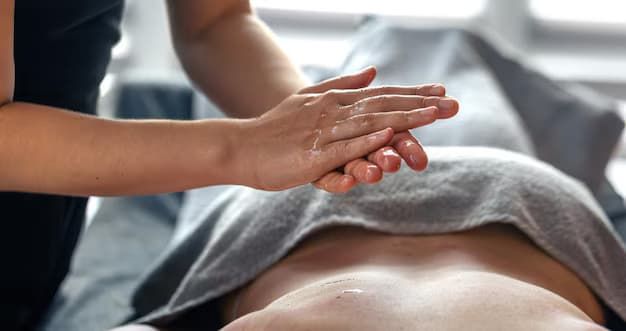
When muscles surrounding an arthritic joint become tight or overworked, they can contribute to additional pain and restricted movement. Massage helps relax these muscles, improve circulation, decrease tension, and promote overall comfort.
Many patients report benefits such as:
- Reduced muscle stiffness
- Improved flexibility
- Better circulation
- Less stress and tension
- Increased relaxation
- Improved overall mobility
When combined with exercise and chiropractic care, massage therapy can become an important part of a comprehensive treatment plan.
Everyday Tips for Managing Osteoarthritis
Living well with osteoarthritis often involves small daily habits that protect your joints.
Consider these simple strategies:
- Stay active even on mild pain days.
- Alternate activity with periods of rest.
- Apply heat to reduce stiffness before activity.
- Use ice after activity if joints become swollen.
- Wear supportive footwear.
- Maintain good posture while sitting and standing.
- Follow a regular stretching routine.
- Eat a balanced diet rich in fruits, vegetables, lean protein, and healthy fats.
- Stay hydrated throughout the day.
Consistency is often more beneficial than making dramatic lifestyle changes all at once.
When Should You Seek Care?
Occasional joint aches after strenuous activity are common, but persistent pain should not be ignored.
Consider scheduling an evaluation if you experience:
- Joint pain lasting several weeks
- Stiffness that interferes with daily activities
- Difficulty walking or climbing stairs
- Swelling that doesn't improve
- Reduced range of motion
- Pain that limits exercise or sleep
Early intervention often leads to better long-term outcomes by helping maintain mobility before significant joint changes occur.
Stay Moving, Stay Healthy
Osteoarthritis is one of the most common causes of joint pain, but it doesn't have to prevent you from enjoying an active lifestyle. By staying physically active, maintaining a healthy weight, strengthening your muscles, and seeking conservative care when symptoms develop, you can protect your joints and continue doing the activities you love.
At our chiropractic and massage therapy office, we believe in helping patients move better—not just feel better. Through individualized chiropractic care, therapeutic massage, exercise recommendations, and education, we work with each patient to develop a treatment plan that supports healthier movement and improved quality of life.
If joint pain or stiffness is keeping you from enjoying your daily activities, don't wait until symptoms become severe. Early, conservative care can help you stay active, improve mobility, and support long-term joint health.
Bethany Wolcott, DC