
This is a subtitle for your new post

A car accident, sports collision, or unexpected impactqi can leave your body feeling shaken up — even if the damage to your vehicle or surroundings seems minor. One of the most common injuries after a sudden impact is whiplash, a neck injury that occurs when the head is rapidly forced forward and backward. While many people associate whiplash only with major crashes, even low-speed collisions or everyday accidents can create enough force to strain the muscles, ligaments, joints, and nerves of the neck.


At Peak Performance Chiropractic, we often see patients in Buffalo, NY and the surrounding WNY area who are dealing with neck pain, stiffness, headaches, and other symptoms after an injury. Understanding what whiplash is and how evidence-informed chiropractic and massage care may support recovery can help you take the right steps after an accident.


What Is Whiplash?


Whiplash is a type of neck injury caused by a rapid acceleration and deceleration movement of the head and cervical spine. During a collision, your body may be pushed forward while your head briefly lags behind before snapping backward. This sudden motion can place significant stress on the structures of the neck.


The cervical spine is designed for mobility, allowing us to turn, bend, and move our heads throughout the day. However, because the neck is highly mobile, it is also vulnerable to sudden forces.


Whiplash can affect several areas, including:

  • Neck muscles that become strained or irritated
  • Ligaments that help stabilize the cervical spine
  • Facet joints between the vertebrae
  • Discs between the spinal bones
  • Nerves that may become irritated from inflammation or restricted movement


Every person experiences whiplash differently. Some people feel symptoms immediately after an accident, while others may not notice discomfort until hours or even days later.


Common Symptoms of Whiplash


Many people expect whiplash to only cause neck pain, but symptoms can extend beyond the neck. Common signs include:


Neck Pain and Stiffness


This is one of the most common symptoms of whiplash. You may notice difficulty turning your head, soreness when looking up or down, or a feeling of tightness through the neck and upper shoulders.


Headaches


Whiplash-related headaches often begin at the base of the skull and may travel toward the forehead or temples. These headaches can develop due to muscle tension, joint irritation, or changes in movement patterns after injury.


Shoulder and Upper Back Pain


The muscles surrounding the neck and upper back work together to support your head. After a whiplash injury, these muscles may tighten or become overworked, causing discomfort between the shoulders or across the upper back.


Reduced Range of Motion


Many people notice they cannot move their neck as freely as they could before the accident. Turning to check blind spots while driving or looking over your shoulder may become uncomfortable.


Muscle Spasms and Tenderness


The muscles may tighten as a protective response after injury. This can create soreness, knots, or painful areas throughout the neck and shoulders.


Other Possible Symptoms


Some people may also experience:

  • Fatigue
  • Dizziness
  • Difficulty concentrating
  • Jaw discomfort
  • Tingling or numbness
  • Pain that travels into the arms


If you experience severe symptoms, worsening neurological symptoms, or significant changes after an accident, it is important to seek appropriate medical evaluation.


Why Does Whiplash Hurt So Much?


A common misconception is that if there is no visible damage on an X-ray, there is no injury. However, many whiplash injuries involve soft tissues — muscles, tendons, ligaments, and joints — that may not always show obvious changes on standard imaging.


After an accident, your body may respond with inflammation, muscle guarding, and changes in movement. Some muscles may tighten to protect injured areas, while other muscles may become less active. Over time, these changes can contribute to ongoing discomfort if the body does not return to normal movement patterns.


This is why early evaluation and appropriate care can be important after a collision.


How Chiropractic Care May Help After Whiplash


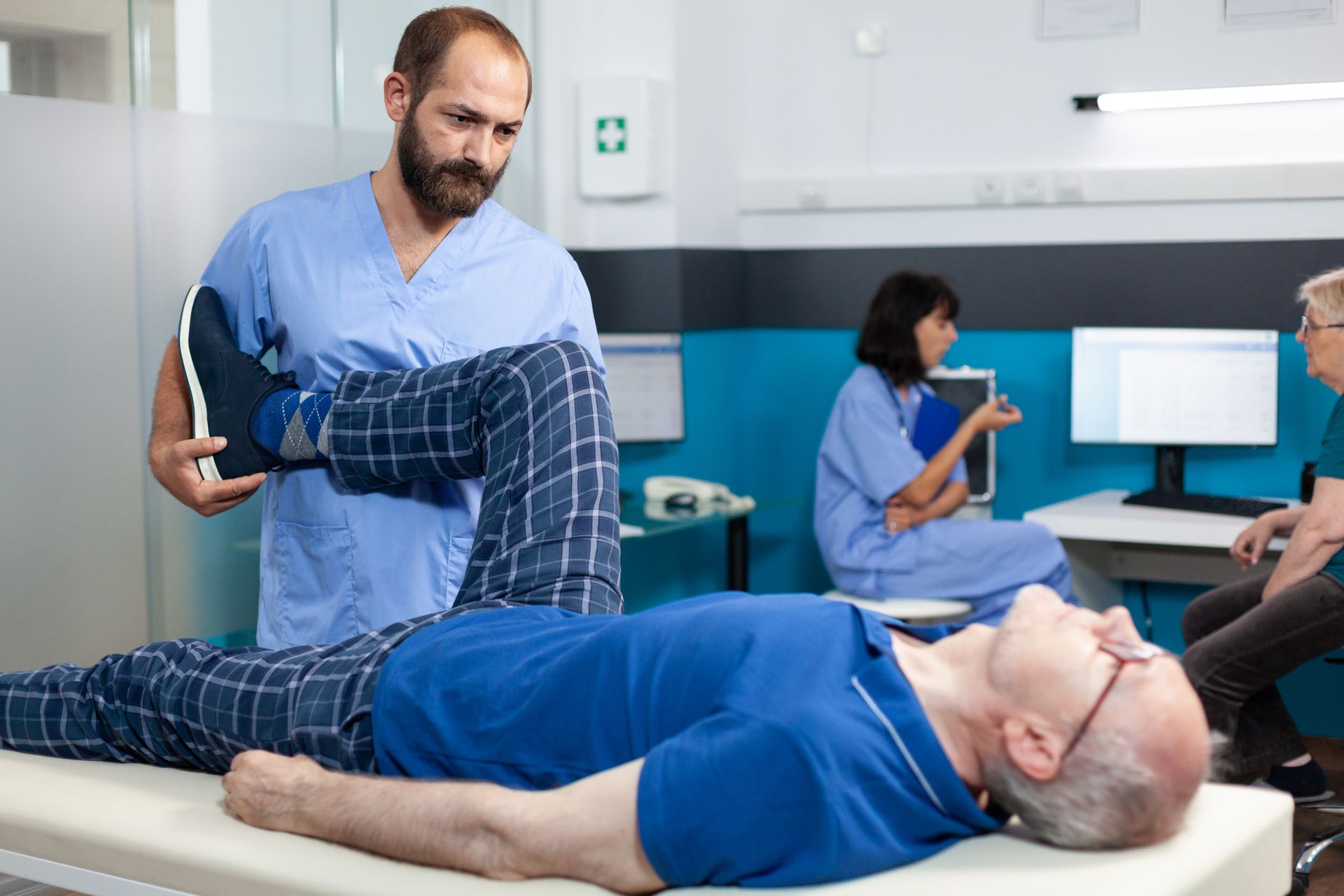
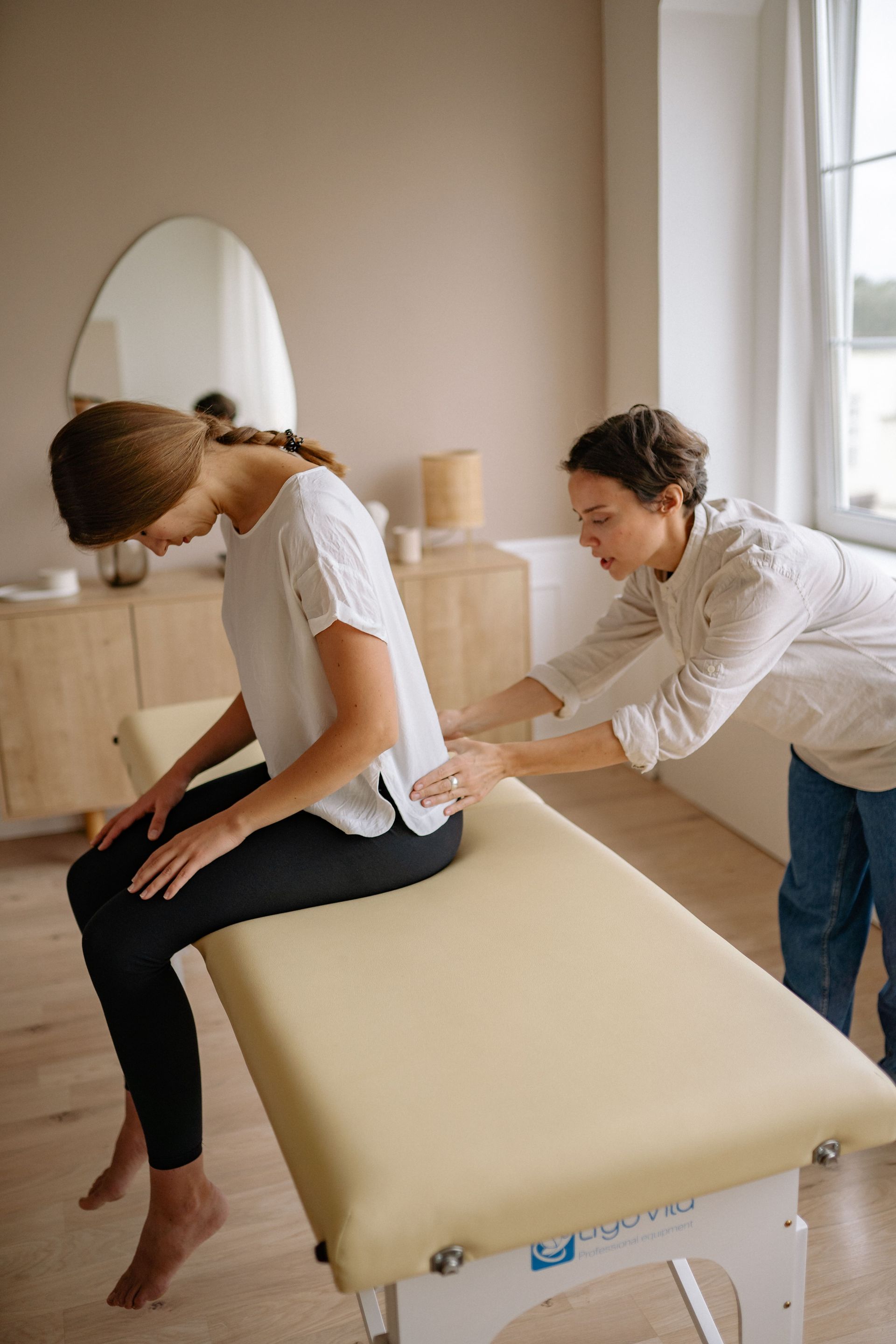
Chiropractic care focuses on the relationship between the spine, nervous system, muscles, and overall movement. After a whiplash injury, a chiropractor will typically perform an evaluation to understand your symptoms, range of motion, posture, and areas of tenderness or restriction.

At Peak Performance Chiropractic, care plans are individualized because every injury and patient is different.

Depending on your needs, chiropractic care may include:


Gentle Chiropractic Adjustments


Chiropractic adjustments are designed to improve joint motion and reduce restrictions within the spine. After whiplash, some patients may benefit from gentle techniques focused on restoring comfortable movement.


Mobility and Movement Support


Restoring normal movement is an important part of recovery. Your chiropractor may recommend specific exercises or mobility strategies to help support your neck and surrounding muscles.


Soft Tissue Techniques


Because whiplash often affects muscles and connective tissues, soft tissue therapies may be incorporated into care. Techniques such as instrument-assisted soft tissue mobilization (IASTM), massage therapy, or other manual therapies may help address areas of tension and discomfort.


Decompression or Traction-Based Therapies


In some cases, traction-based therapies may be recommended to support comfort and mobility in the cervical spine. Your provider can determine whether these options are appropriate based on your individual evaluation.


The Role of Massage Therapy in Whiplash Recovery


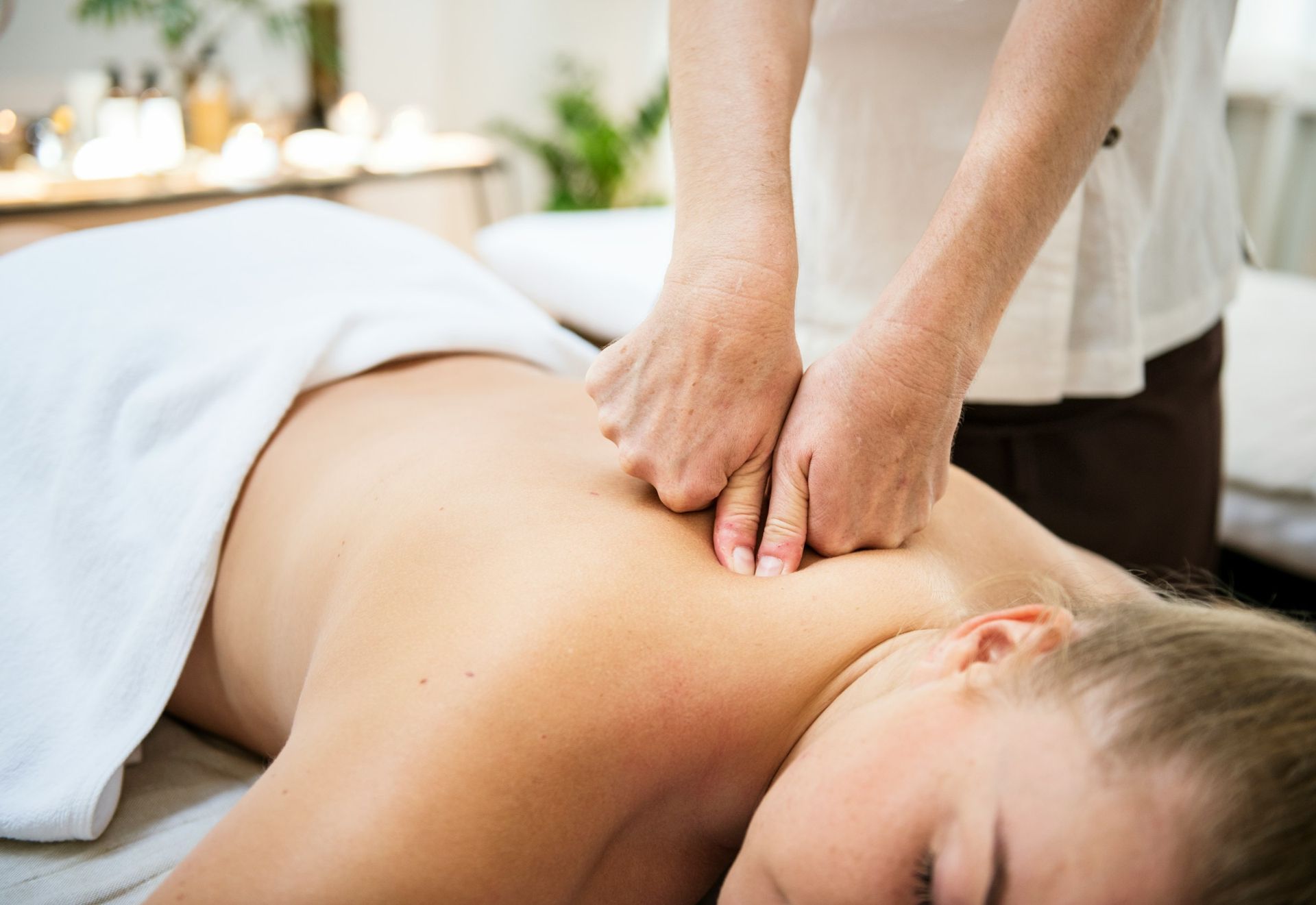
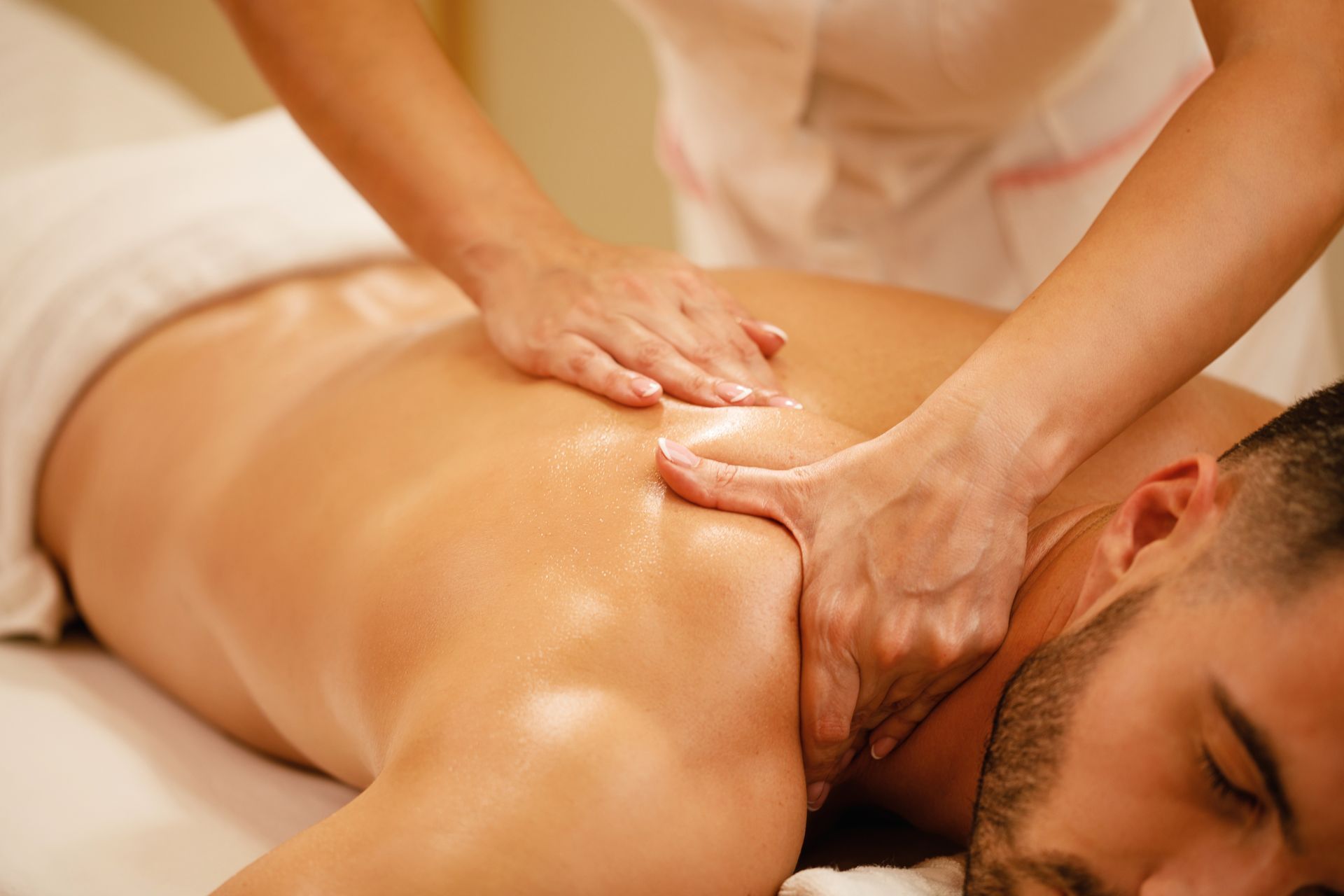
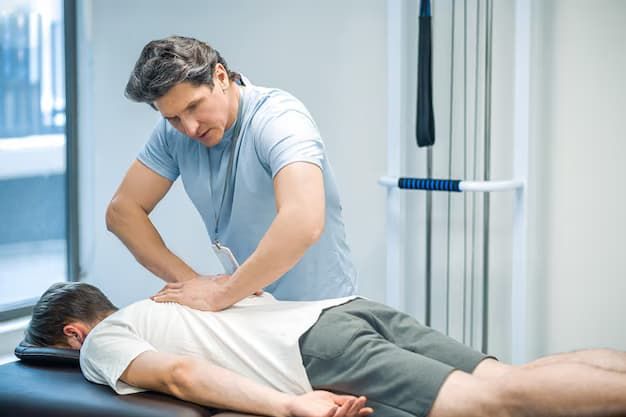
Massage therapy can be a valuable part of a whiplash recovery plan. After an injury, muscles may become tense, guarded, and sensitive. Massage techniques may help promote relaxation, improve circulation, and decrease areas of muscular tension.


A licensed massage therapist can tailor treatment based on your symptoms and stage of recovery. Some patients benefit from gentle techniques early on, while others may tolerate deeper work as healing progresses.


At Peak Performance Chiropractic, chiropractic care and massage therapy can work together to address both joint movement and soft tissue concerns.


What Should You Do After a Car Accident?


If you have been involved in a collision, it is important not to ignore symptoms just because you “feel okay” immediately afterward. Some whiplash symptoms appear later.


Helpful steps after an accident may include:

  • Getting evaluated if you develop pain or symptoms
  • Avoiding pushing through worsening discomfort
  • Following recommended care instructions
  • Staying gently active when appropriate
  • Monitoring changes in symptoms


Early attention can help identify issues and create a plan to support recovery.


Whiplash Care in Buffalo, NY


Whiplash can be frustrating because symptoms may affect your work, exercise routine, sleep, and everyday activities. The good news is that many people improve with appropriate care focused on restoring movement, reducing discomfort, and supporting the body’s recovery process.


At Peak Performance Chiropractic in Buffalo, NY, our team provides evidence-informed chiropractic and massage therapy services designed around each patient’s goals and needs. Whether you are recovering from a car accident, sports injury, or another type of impact, our team can help evaluate your condition and discuss options for care.


If you are experiencing neck pain, headaches, stiffness, or other symptoms after an accident, schedule an appointment with Peak Performance Chiropractic and take the next step toward getting back to doing the activities you enjoy.


Bethany Wolcott, DC
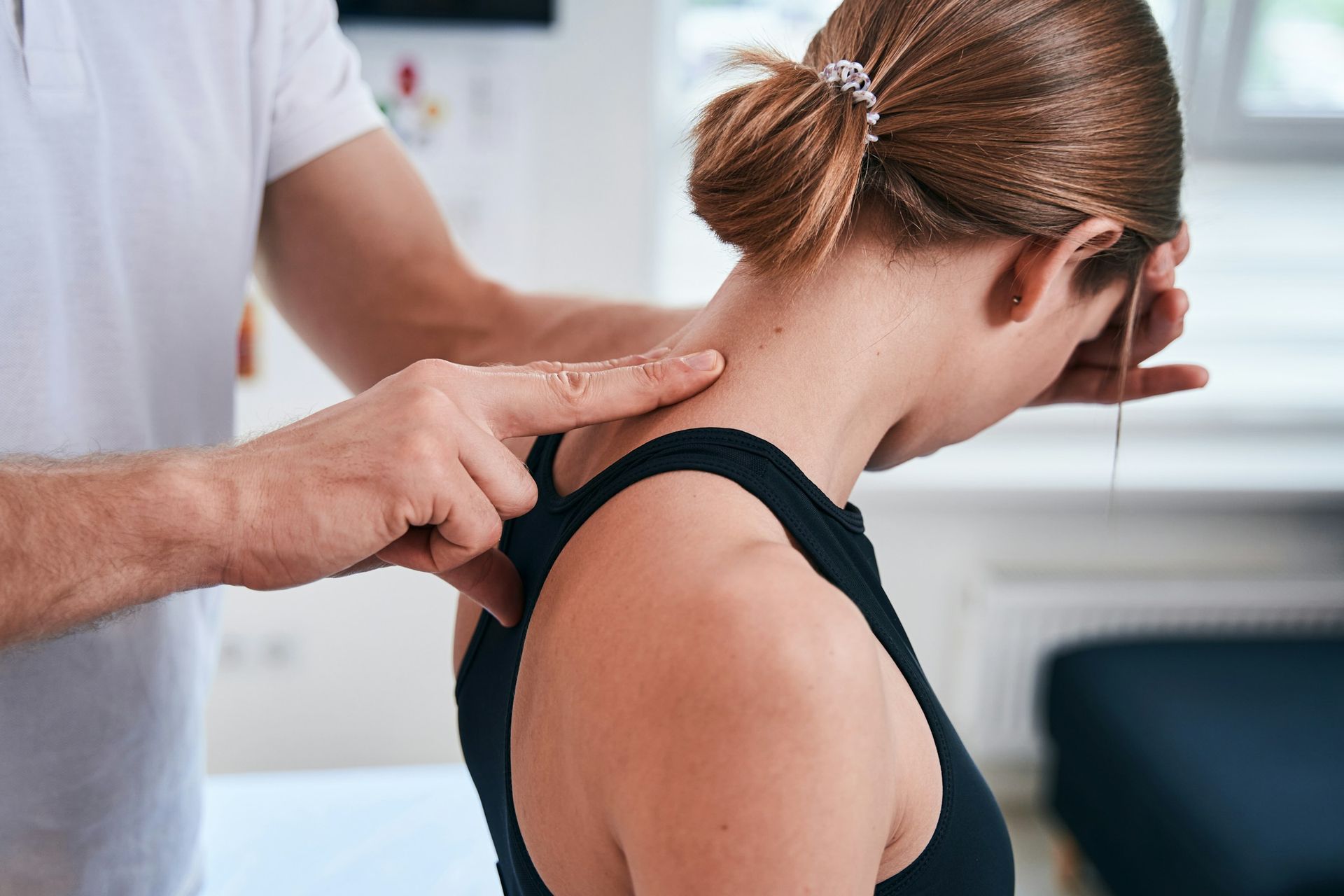

Table Thai Massage
By S21 GMB June 26, 2026
At Peak Performance Chiropractic, we are always looking for evidence-informed ways to help our patients and community improve movement, reduce muscle tension, and support their overall health. We are excited to introduce Table Thai massage with our Licensed Massage Therapist, Chris
couples massage near me
By S21 GMB June 25, 2026
Discover how couples massage near me helps reduce burnout, ease stress, and restore connection through shared therapeutic wellness care.
By S21 GMB June 19, 2026
Hip pain is one of the most common musculoskeletal complaints we see at Peak Performance Chiropractic & Massage in Buffalo, NY. Whether you're a runner training for a marathon, a busy parent, or someone who spends most of the day sitting at a desk, hip pain can significantly affect your quality of life. One of the challenges with hip pain is that the hip joint sits at the crossroads of the lower back, pelvis, and legs. Because of this, pain felt in the hip isn't always coming from the hip itself. Sometimes the source is the spine, surrounding muscles, tendons, or even nerves.  Understanding where your pain is located, what activities aggravate it, and what other symptoms accompany it can provide clues about the underlying condition. Let's explore some of the most common causes of hip pain and what your symptoms might mean. Hip Osteoarthritis: Deep Joint Pain and Stiffness Hip osteoarthritis occurs when the cartilage that cushions the hip joint gradually wears down over time. It is more common as we age but can also develop after previous injuries or due to certain anatomical factors. Common Symptoms: Deep aching pain in the groin or front of the hip Morning stiffness that improves with movement Pain after prolonged standing or walking Difficulty putting on shoes and socks Reduced range of motion Many people are surprised to learn that hip arthritis often causes groin pain rather than pain on the outside of the hip. If you find yourself struggling to rotate your leg or experiencing stiffness when getting out of a car, arthritis may be contributing to your symptoms. Chiropractic care, soft tissue therapy, exercise, and mobility work can often help improve function and reduce discomfort associated with hip osteoarthritis. Greater Trochanteric Pain Syndrome: Pain on the Outside of the Hip Many people refer to this condition as "hip bursitis," although research has shown that irritation of the gluteal tendons is often involved as well. Common Symptoms: Pain on the outer side of the hip Tenderness when pressing on the side of the hip Pain while lying on the affected side Discomfort during walking or climbing stairs Pain that worsens after prolonged activity This condition is particularly common among runners, walkers, and individuals who spend a lot of time on their feet. Massage therapy can help address tight surrounding muscles, while chiropractic care and exercise recommendations can improve biomechanics and reduce stress on irritated tissues. Hip Flexor Strain: Pain in the Front of the Hip The hip flexors are a group of muscles that help lift your knee and bend your hip. Athletes, runners, cyclists, and people who sit for prolonged periods frequently experience hip flexor issues. Common Symptoms: Pain in the front of the hip or groin Pain when lifting the knee Tightness after sitting Discomfort during running, kicking, or climbing stairs Muscle tenderness Hip flexor strains can range from mild irritation to significant muscle injuries. Treatment often focuses on reducing muscle tension, restoring mobility, and gradually rebuilding strength. Labral Tears: Clicking, Catching, and Deep Hip Pain The hip labrum is a ring of cartilage that helps stabilize the hip joint. Labral tears can occur due to trauma, repetitive stress, or structural variations within the hip. Common Symptoms: Deep groin pain Clicking, popping, or catching sensations Feeling like the hip is "sticking" Pain during twisting movements Discomfort during prolonged sitting While not every clicking hip indicates a labral tear, persistent mechanical symptoms deserve evaluation. Proper diagnosis can help determine whether conservative care or additional medical intervention may be appropriate. Piriformis Syndrome: Hip Pain with Sciatica-Like Symptoms The piriformis is a small muscle located deep in the buttock. When irritated, it can sometimes affect the nearby sciatic nerve. Common Symptoms: Pain deep in the buttock Pain that radiates down the back of the leg Increased discomfort when sitting Relief with standing or walking Tightness in the gluteal region Because piriformis syndrome can mimic sciatica, a thorough examination is important. Chiropractic care and massage therapy often work well together to address muscular tension and improve movement patterns. Lumbar Radiculopathy: When the Hip Isn't the Problem Not all hip pain originates from the hip joint. Sometimes the lower back is responsible. A bulging disc, spinal arthritis, or other lumbar spine condition can irritate nerves that travel into the hip and leg. Common Symptoms: Hip pain accompanied by low back pain Numbness or tingling down the leg Burning or shooting sensations Weakness in the leg Symptoms that change with spinal movement If your hip pain travels below the knee or is accompanied by neurological symptoms, the source may be your spine rather than your hip. This is one reason a comprehensive evaluation is so important before beginning treatment. Sacroiliac (SI) Joint Dysfunction: Pain Near the Hip and Pelvis The sacroiliac joints connect the pelvis to the spine. Dysfunction in these joints can produce pain that feels remarkably similar to hip pain. Common Symptoms: Pain near the back of the hip Pain near the dimples of the lower back Pain when standing from a seated position Discomfort while walking Pain that may radiate into the buttock SI joint dysfunction commonly occurs after pregnancy, falls, repetitive activities, or prolonged asymmetrical postures. Hip Impingement (FAI): Pain During Movement Femoroacetabular impingement (FAI) occurs when the bones of the hip joint do not move together smoothly. Over time, this can create irritation within the joint. Common Symptoms: Groin pain during activity Pain with squatting Pain when sitting for long periods Reduced hip mobility Pinching sensation in the front of the hip FAI is often seen in active adults and athletes. Improving movement patterns and maintaining appropriate hip mobility can often help manage symptoms. Muscle Strains and Tendon Injuries Sometimes hip pain is simply the result of an overworked muscle or tendon. Common muscles involved include: Gluteus medius Gluteus minimus Hamstrings Adductors (groin muscles) Hip flexors Common Symptoms: Localized pain Tenderness to touch Pain with specific movements Symptoms related to exercise or activity These injuries often respond well to a combination of manual therapy, exercise, and gradual return to activity. When Should You Seek Care? While many causes of hip pain are musculoskeletal, some symptoms require prompt medical evaluation. Contact a healthcare provider if you experience: Severe pain following trauma Inability to bear weight Significant swelling Fever accompanying hip pain Unexplained weight loss Progressive weakness Loss of bowel or bladder control These symptoms may indicate a more serious condition requiring immediate attention. How Chiropractic Care and Massage Therapy Can Help At Peak Performance Chiropractic & Massage, we take a comprehensive approach to evaluating hip pain. Because the source of symptoms isn't always obvious, a thorough examination helps identify whether the issue is originating from the hip joint, surrounding muscles, pelvis, or lower back. Treatment may include: Chiropractic adjustments when appropriate Soft tissue therapy Massage therapy Mobility exercises Strengthening recommendations Movement and posture education Activity modifications Our goal is not only to reduce pain but also to improve function and help prevent future flare-ups. Don't Ignore Hip Pain Hip pain is not something you simply have to "live with." Whether your symptoms stem from arthritis, tendon irritation, a muscle strain, spinal involvement, or another condition, identifying the underlying cause is the first step toward effective treatment. If you're experiencing hip pain in Buffalo or Western New York, the team at Peak Performance Chiropractic & Massage is here to help. Through evidence-informed chiropractic care, massage therapy, and individualized treatment plans, we can help you get back to doing the activities you enjoy with less pain and better movement. Bethany Wolcott, DC
deep tissue massage in Hamburg
By S21 GMB June 17, 2026
Discover 7 strange body reactions after a deep tissue massage in Hamburg and what they mean for recovery, healing, and overall wellness.
Understanding Contrast Therapy
By S21 GMB June 12, 2026
If you've spent any time on social media lately, you've probably seen people climbing into ice baths, sitting in saunas, or enthusiastically talking about their "contrast therapy" routine. But what exactly is contrast therapy? Is it worth trying? And what are the potential benefits and risks? Let's dive in.
Happy Pride Month from Peak Performance!
June 5, 2026
June is Pride Month, a time to celebrate love, authenticity, community, and the ongoing pursuit of equality for LGBTQIA+ individuals. At Peak Performance, we're proud to join in that celebration and reaffirm something that we believe should be true every day of the year: everyone deserves to feel welcome & respected
benefits of lymphatic drainage massage
By S21 GMB June 2, 2026
Explore the benefits of lymphatic drainage massage for remote workers. Improve circulation, reduce swelling, and support daily wellness naturally.
Chiropractor tips for roadtrip
By Solution21 Team May 29, 2026
Road Trip Ready: How to Survive Long Car Rides Without Neck and Back Pain Summer is officially road trip season. Whether your are visiting family, or packing the car for a weekend getaway, one thing is almost guaranteed: your body may not love sitting in the car for hours
car accident chiropractic
By S21 GMB May 29, 2026
Discover why the first 72 hours after a crash are critical and how car accident chiropractic care supports faster, safer recovery from injuries.
Craniosacral massage
By S21 GMB May 21, 2026
Discover how craniosacral massage supports the nervous system, reduces tension, and complements traditional therapies for lasting relief.
Show More