Why Do Certain Tight Spots Keep Coming Back Even After Stretching?
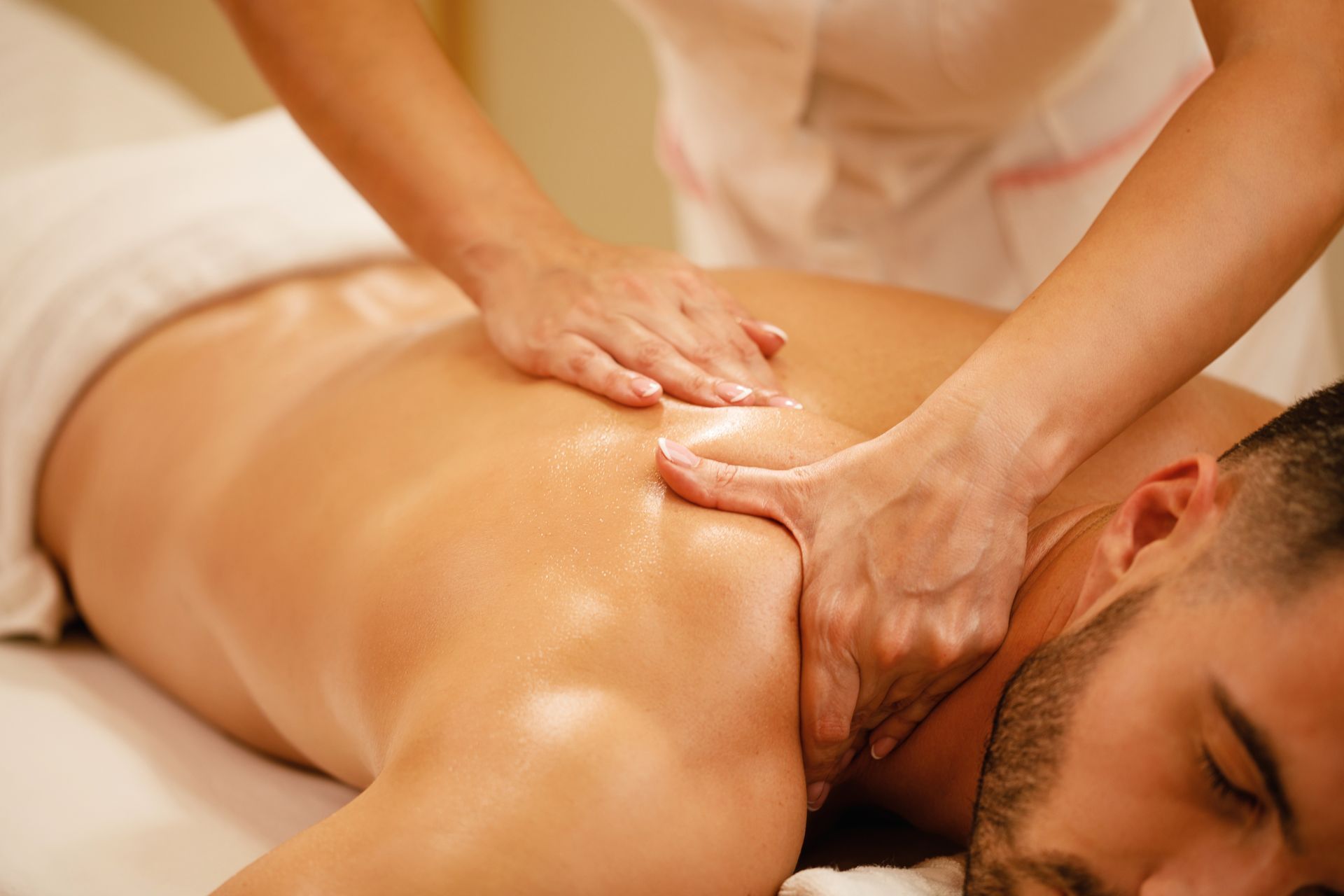
Persistent tight spots often return because stretching improves flexibility, but does not always correct the underlying cause. Poor posture, repetitive movements, muscle imbalances, stress, or restricted joint motion can keep certain muscles under constant strain, causing the same areas to tighten again even after temporary relief from regular stretching.
If you're asking, can massage therapy help muscle knots? And the answer is ‘yes’. Targeted hands-on treatment can release stubborn trigger points, improve circulation, and reduce muscle tension. Combined with posture correction and movement exercises, it helps address contributing factors and supports longer-lasting relief from recurring muscle tightness.
Can Massage Therapy Help Muscle Knots?
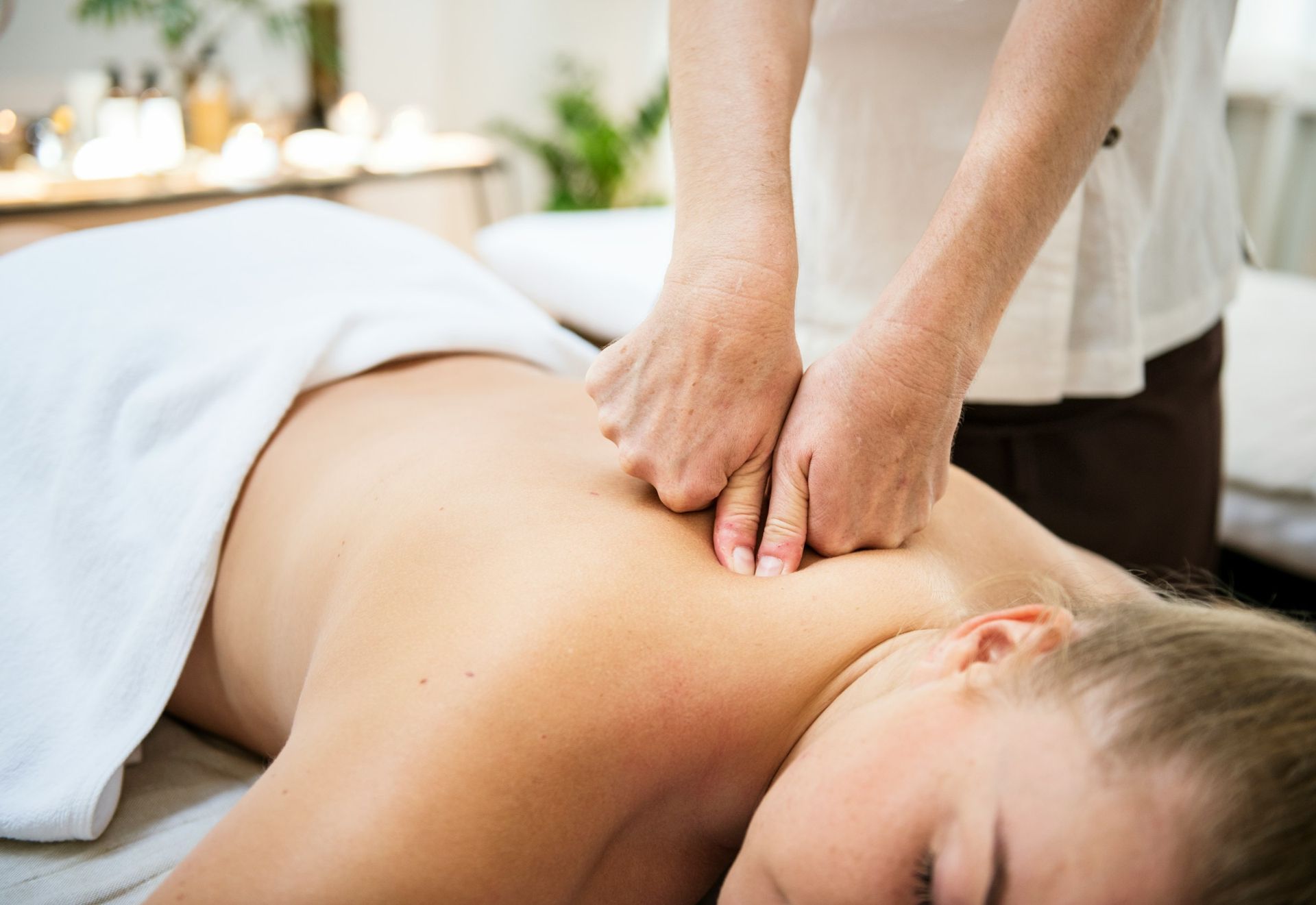
Yes, it is a common question, and the answer is that targeted massage therapy can reduce muscle tension, improve blood flow, and help restore normal muscle function. It works by applying controlled pressure to tight muscle fibers, allowing them to relax while improving circulation to the affected area.
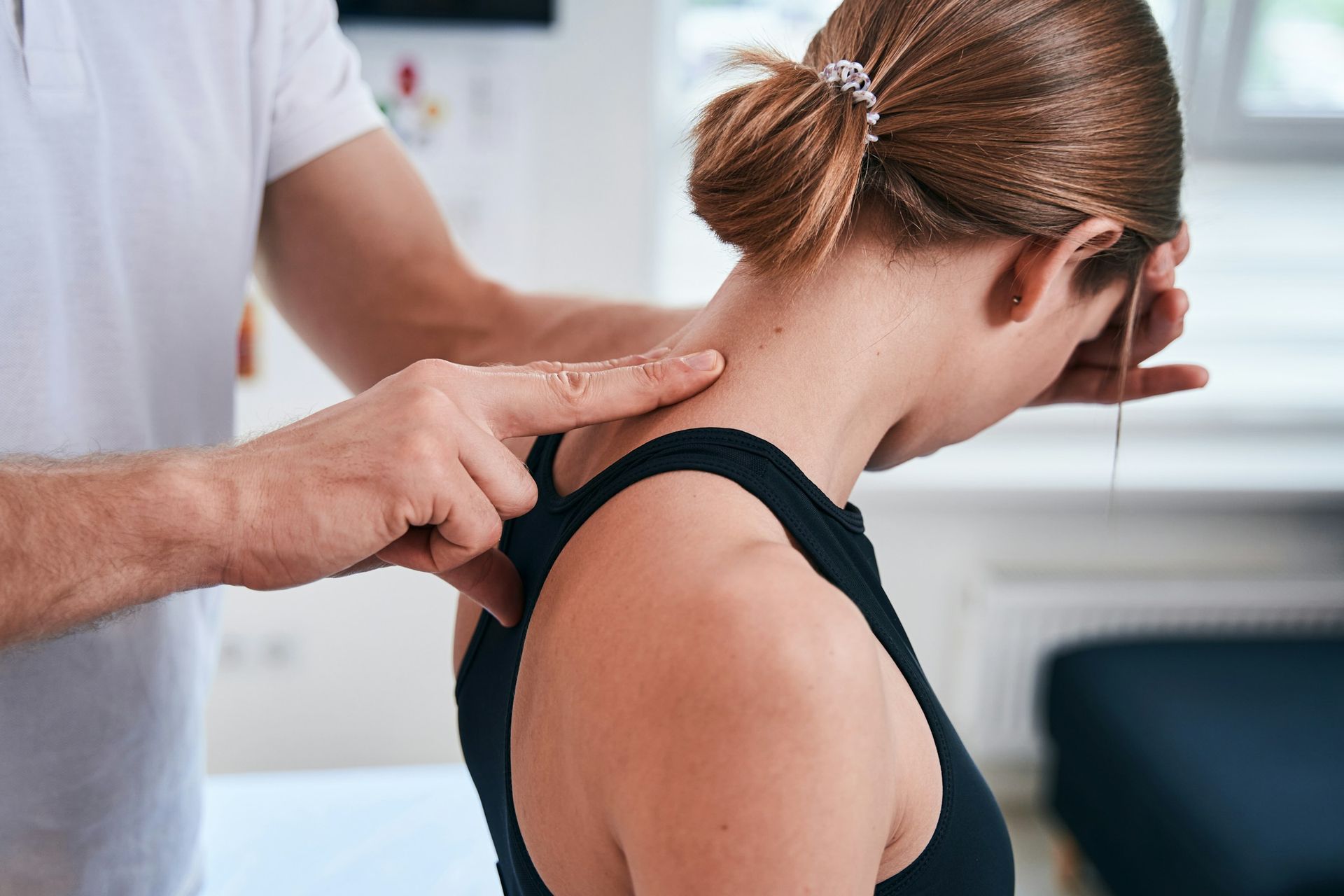
Muscle knots, also known as myofascial trigger points, often develop when muscles remain contracted for long periods. While stretching increases flexibility, it may not fully release these deeper areas of tension. Massage therapy focuses directly on the affected tissue, making it an effective option for many people experiencing recurring tightness.
What Causes Muscle Knots to Develop?
Muscle knots usually develop when muscle fibers stay contracted longer than they should. This may happen after repetitive work, prolonged sitting, intense exercise, emotional stress, or recovering from an injury.
Reduced blood flow within the tight area limits oxygen delivery while allowing waste products to accumulate. Over time, this creates localized tenderness and stiffness that can affect nearby muscles as well. If you're wondering, can massage therapy help muscle knots? Understanding these underlying causes can help you determine when professional treatment may be more effective than home care alone.
How Does Massage Therapy Release Tight Muscle Tissue?
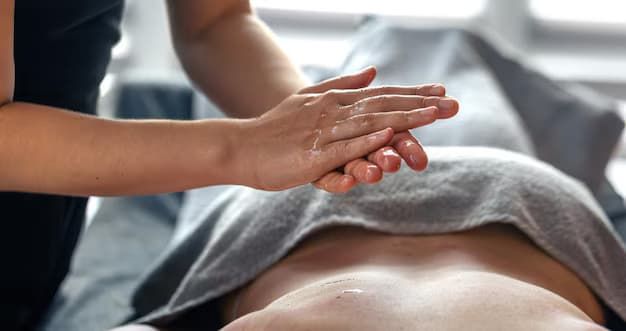
Massage therapy helps muscle knots by applying targeted pressure that encourages contracted muscle fibers to relax. It also improves circulation, helping deliver oxygen and nutrients while removing metabolic waste from the affected tissues.
Different techniques, including deep tissue massage, trigger point therapy, and myofascial release, may be recommended depending on the severity and location of the knot. At Peak Performance Chiropractic & Wellness, treatment plans are selected based on each person's symptoms rather than using the same technique for everyone.
Is Massage Therapy Enough to Prevent Muscle Knots From Returning?
Massage therapy provides significant relief, but lasting improvement often requires addressing the factors that created the problem. Strengthening weak muscles, improving posture, increasing mobility, and changing repetitive movement patterns all help reduce recurrence.
People frequently ask, Can massage therapy help muscle knots? If they keep returning after every workout or workday. The answer is yes, but combining massage with corrective exercises and movement education often produces better long-term results than massage alone.
When Should You Seek Professional Treatment for Muscle Knots?
Professional evaluation is recommended when muscle knots continue for several weeks, limit daily activities, reduce range of motion, or repeatedly return despite stretching and self-care. Persistent muscle tension may indicate underlying joint restrictions, movement dysfunction, or another musculoskeletal condition requiring assessment.
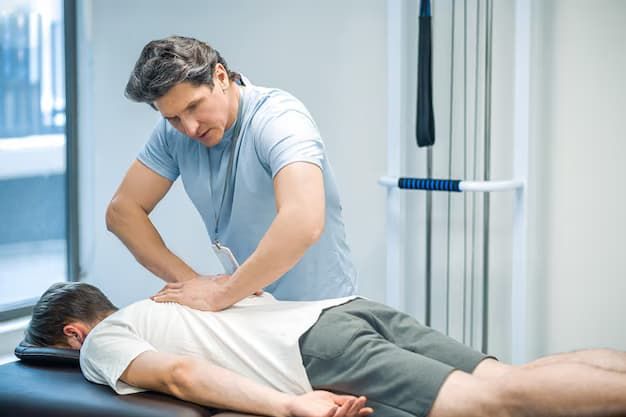
We evaluate both the painful muscle and the surrounding joints because nearby restrictions can contribute to ongoing muscle tension. Addressing the complete problem often leads to more consistent improvement than treating symptoms alone.
Can Chiropractic Care and Massage Therapy Work Together?
Yes, chiropractic care and massage therapy often complement one another. Massage relaxes tight muscles, while chiropractic adjustments help restore normal joint movement that may contribute to repeated muscle tension.
People searching Can massage therapy help muscle knots may benefit from a combined treatment approach when muscle tightness is related to spinal alignment or joint dysfunction. At Peak Performance Chiropractic & Wellness, these therapies are frequently coordinated to improve mobility, reduce discomfort, and support recovery.
FAQ
Can massage therapy help muscle knots that have been present for months?
Yes. Chronic muscle knots often respond well to targeted massage therapy because it improves circulation and releases long-standing muscle tension. Multiple treatment sessions may be recommended depending on how long the knot has been present and whether other movement problems contribute to the condition.
How long does it take for a muscle knot to improve?
Many people notice some relief after one treatment session, although chronic muscle knots may require several visits. Recovery also depends on posture, activity level, hydration, and whether contributing movement patterns are corrected between appointments.
Can stretching replace massage therapy?
Stretching improves flexibility but does not always release deep trigger points or restore normal muscle function. Massage therapy directly targets tight muscle tissue, making it a valuable option when stretching alone no longer provides lasting relief.
Can exercise cause muscle knots?
Yes. Repetitive exercise, inadequate recovery, poor technique, or muscle imbalances can contribute to muscle knot formation. Proper warm-ups, recovery strategies, and treatment when needed can help reduce the likelihood of recurring tightness.
Can massage therapy help muscle knots after sports or exercise?
Yes, after physical activity is a common concern among active individuals. Massage can decrease muscle tension, improve circulation, and support recovery, allowing muscles to function more efficiently before returning to regular activity.
Conclusion
Recurring muscle knots usually indicate that something beyond flexibility needs attention. While stretching remains important, it may not fully address trigger points, muscle imbalance, restricted joint motion, or repetitive strain. If you're asking, Can massage therapy help muscle knots?, the evidence and clinical experience suggest that it can play an important role in relieving tension and supporting healthier muscle function.
Our goal is to identify the source of recurring tightness rather than simply treating the symptoms, helping our patients move more comfortably and confidently. We believe that combining hands-on care with personalized movement strategies offers the best opportunity for lasting results.