Why Do Some Athletes Recover Faster After Intense Training Than Others?
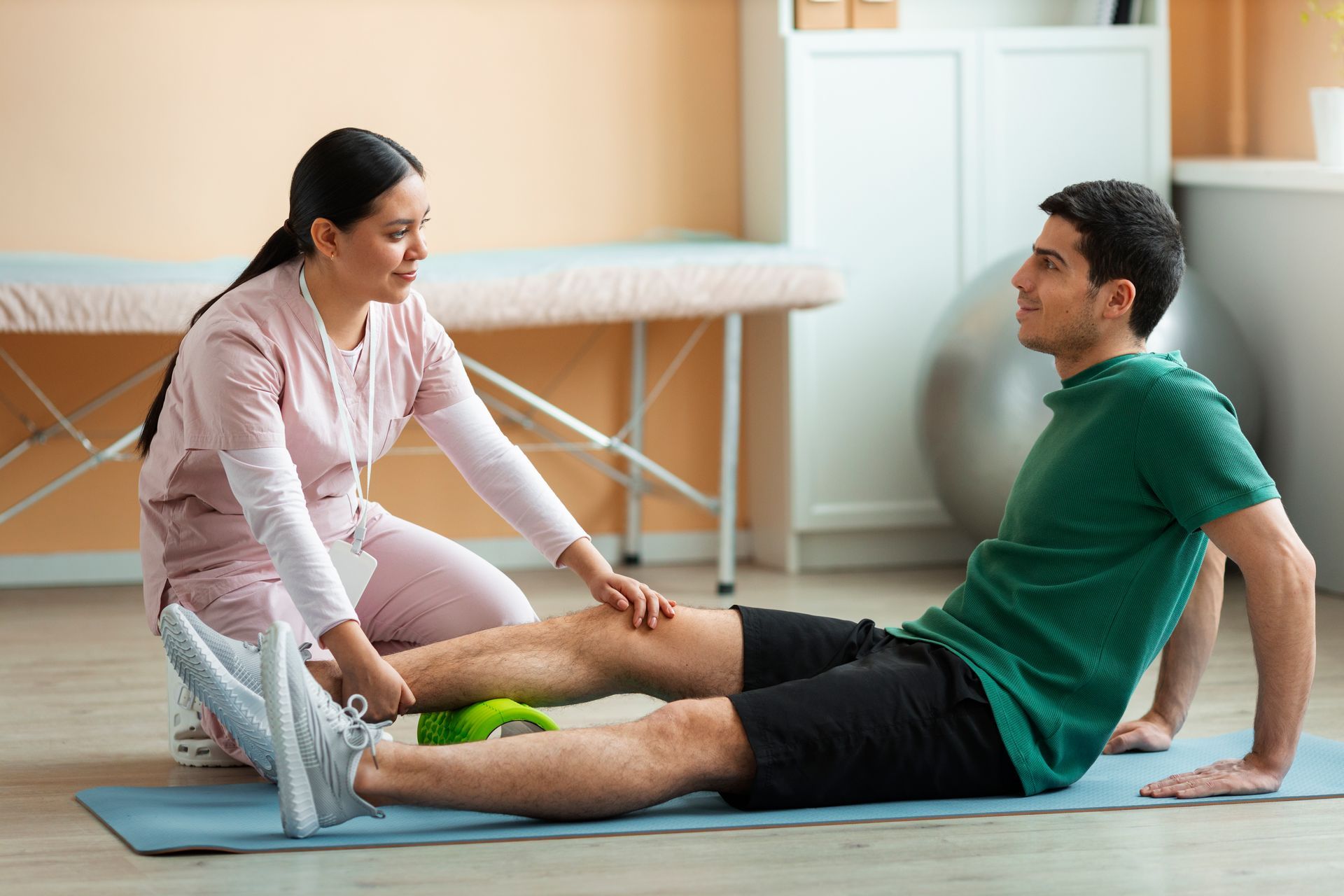
Some athletes recover faster because their bodies benefit from consistent recovery habits, proper nutrition, quality sleep, hydration, and effective muscle care. Recovery speed also depends on training intensity, injury history, stress levels, and how well muscles and joints regain normal function after physical activity.
Athletes often ask, Can massage therapy help sports recovery when looking for ways to reduce soreness and improve performance. Regular massage can ease muscle tension, promote healthy circulation, and support flexibility, making it a valuable addition to a well-rounded recovery plan alongside proper training, rest, and hydration.
Can Massage Therapy Help Sports Recovery?
Yes, it is a common question because massage can reduce muscle tightness, improve blood flow, and support the body's natural healing process after intense exercise. It is often included in recovery plans for athletes of all skill levels.
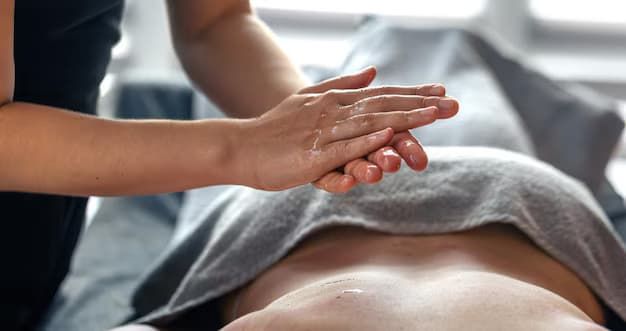
Exercise creates tiny tears in muscle fibers that must heal before the body becomes stronger. Massage encourages circulation that delivers oxygen and nutrients to recovering tissues while helping remove metabolic waste. It also promotes relaxation, which may reduce muscle guarding and stiffness. At Peak Performance Chiropractic & Wellness, recovery plans are designed to help individuals regain mobility and perform with greater confidence.
Why Do Some Athletes Recover More Quickly Than Others?
Athletes recover at different speeds because recovery depends on factors such as sleep quality, nutrition, hydration, training intensity, age, stress levels, and overall physical health. Effective recovery methods also play an important role.
Some people naturally recover faster, but healthy recovery habits often make the biggest difference. Regular mobility work, stretching, proper fueling, and appropriate hands-on care can reduce unnecessary strain on muscles and joints. When someone asks, Can massage therapy help sports recovery?, the answer becomes more meaningful when it is viewed as one part of a complete recovery strategy instead of a standalone solution.
How Does Massage Support Muscle Recovery After Exercise?
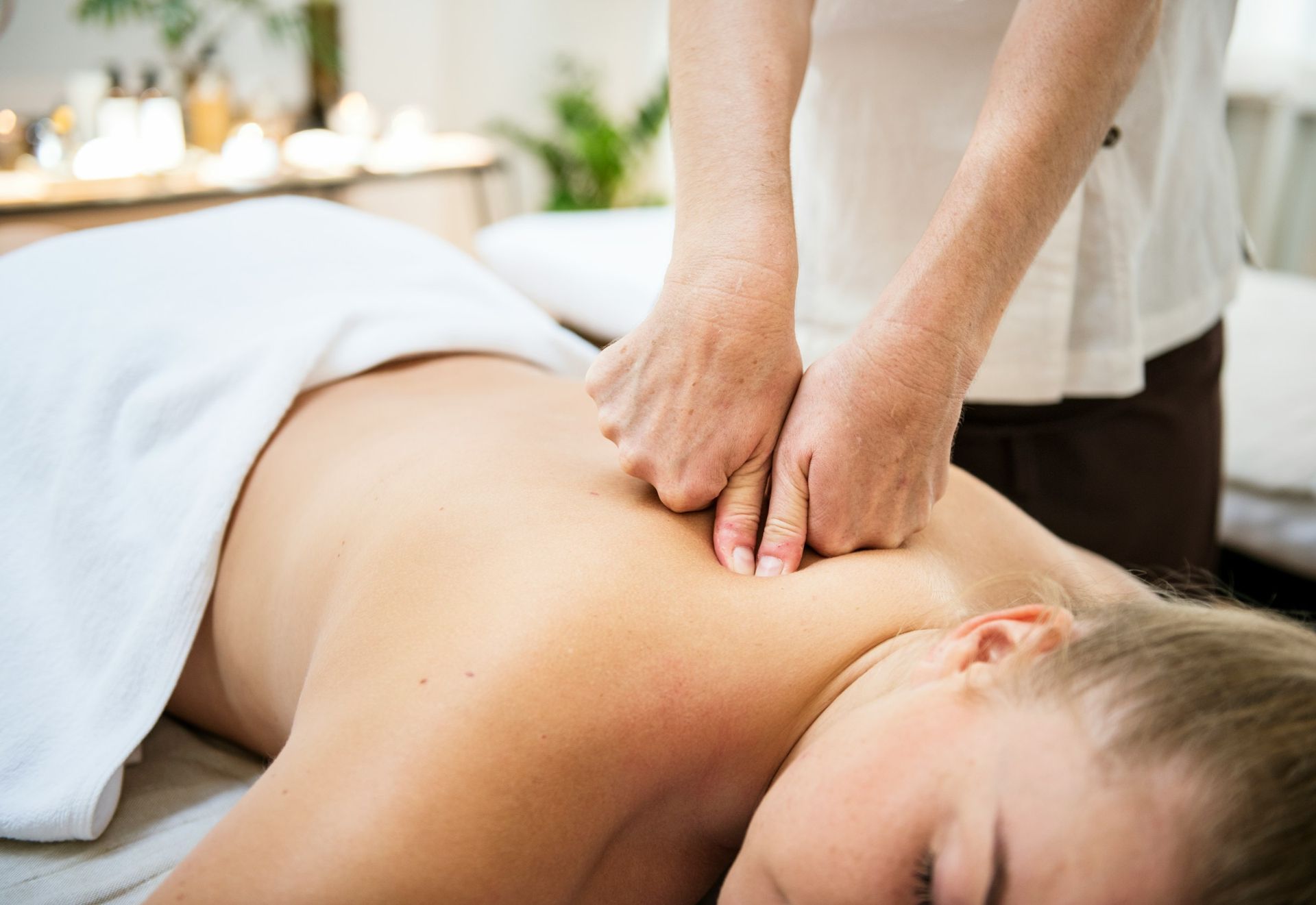
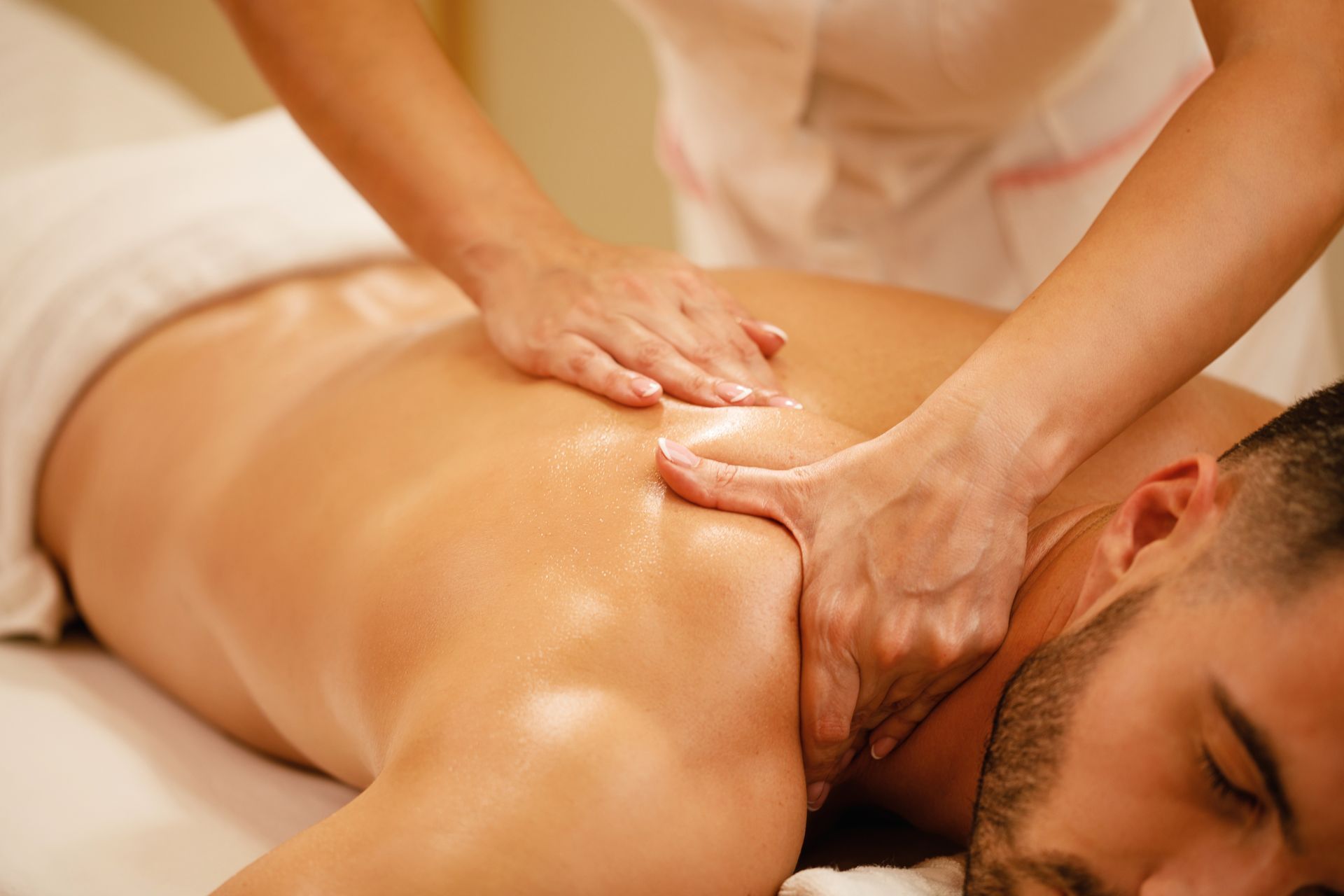
Massage supports muscle recovery by increasing circulation, reducing muscle tension, and improving flexibility after demanding physical activity. These benefits may help decrease soreness and improve comfort during movement.
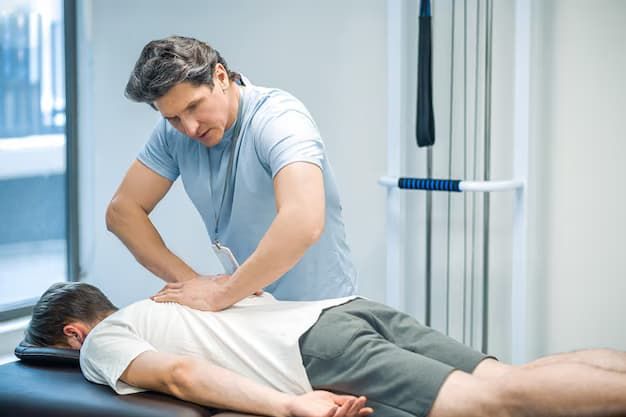
Following intense exercise, muscles often become tight due to repeated contractions and physical stress. Skilled massage techniques can relax overworked tissues while encouraging better movement patterns. Can massage therapy help sports recovery? is a valuable question because consistent treatment may allow athletes to recover with less discomfort between training sessions. Our approach focuses on restoring healthy movement instead of simply masking symptoms.
Is Massage Helpful for Preventing Sports Injuries?
Massage may help lower the risk of certain sports injuries by improving flexibility, reducing muscle imbalances, and identifying areas of excessive tension before they become more serious. While it cannot prevent every injury, it supports healthier movement.
Restricted muscles can place additional stress on joints and surrounding tissues during training. Addressing these restrictions early may reduce unnecessary strain during athletic performance. When discussing whether massage therapy can help sports recovery, injury prevention is another important benefit, as healthier muscles are often better able to withstand physical demands.
Can Chiropractic Care and Massage Work Better Together?
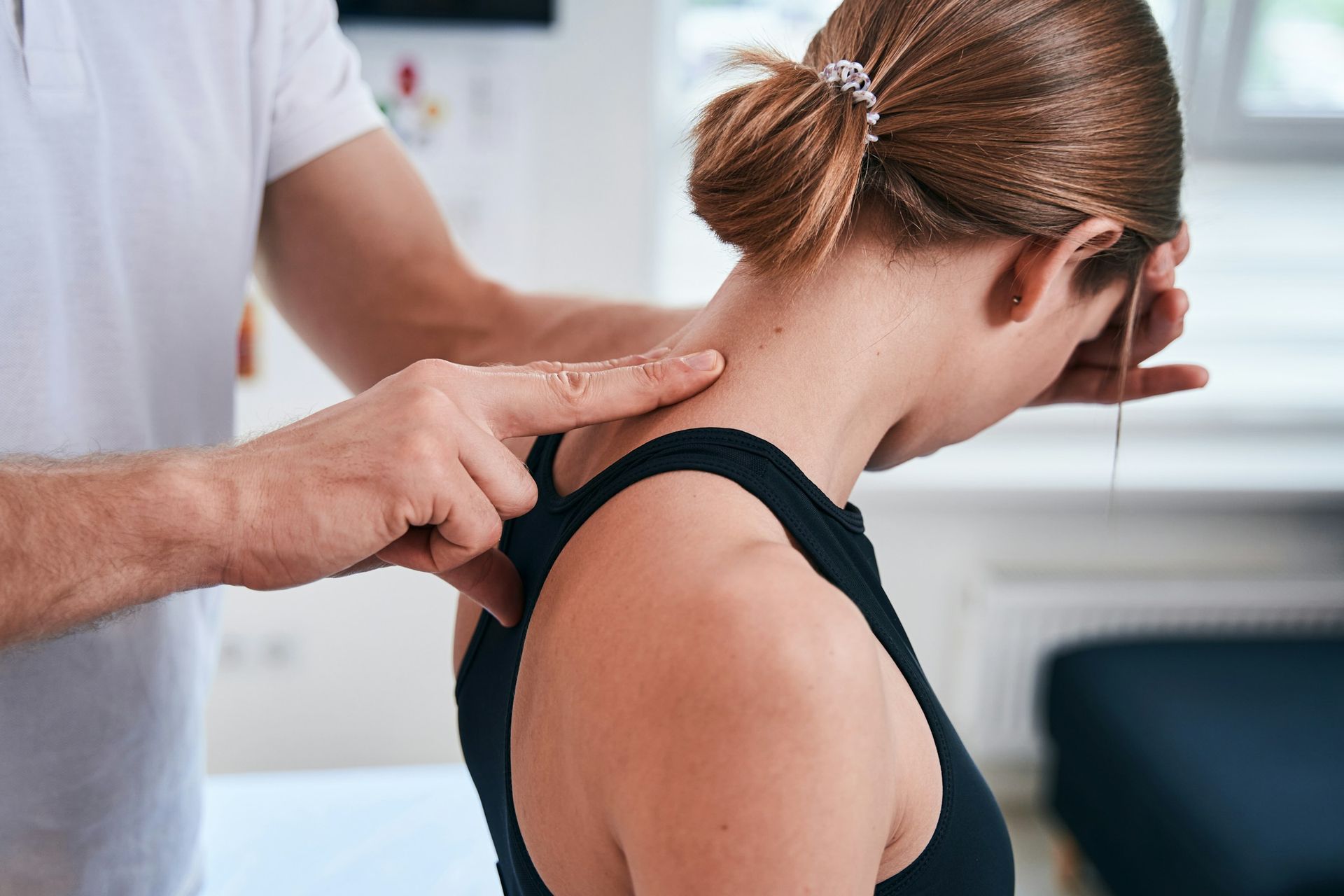
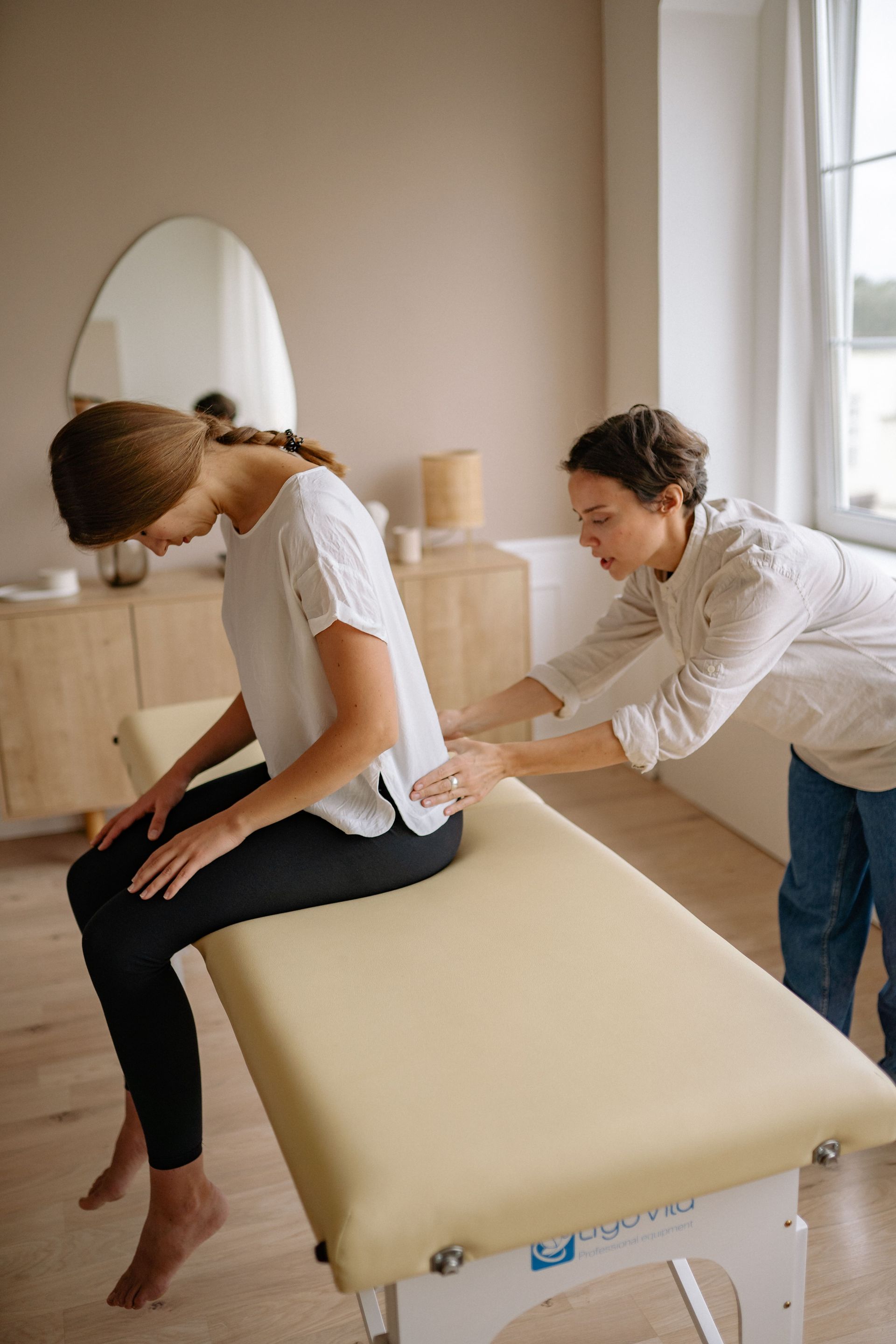
Yes, chiropractic care and massage often complement each other because they address different aspects of movement and recovery. Massage focuses on muscles and soft tissues, while chiropractic care improves joint mobility and spinal function.
Combining these therapies may improve overall movement quality and reduce physical restrictions that develop during sports participation. For athletes asking, Can massage therapy help sports recovery, pairing massage with chiropractic care may create a more complete recovery program that supports both muscular and joint health. At Peak Performance Chiropractic & Wellness, personalized treatment plans are developed based on each person's activity level and recovery goals.
Conclusion
Athletic recovery is influenced by much more than natural ability. Quality sleep, proper nutrition, smart training, and evidence-based recovery methods all contribute to how quickly the body heals after exercise. If you're asking, Can massage therapy help sports recovery, research and clinical experience suggest it can be an effective part of reducing muscle tension, improving circulation, and supporting healthy movement.
Recovery works best when every part of the body functions together. Our goal is to help patients stay active, recover efficiently, and return to the activities they enjoy. We believe individualized care provides the strongest foundation for long-term performance and overall physical health.
Frequently Asked Questions
Can massage therapy help sports recovery after every workout?
Yes, after regular workouts depends on the intensity of exercise and the athlete's needs. Massage can reduce muscle tightness, improve circulation, and support recovery, although every workout does not require professional treatment.
Does massage reduce delayed onset muscle soreness?
Massage may help reduce the severity of delayed onset muscle soreness by improving circulation and decreasing muscle tension. Many athletes notice improved comfort and mobility after treatment, especially when massage is combined with hydration, stretching, and adequate rest.
Can massage improve athletic performance?
Massage does not directly increase strength or endurance, but it can improve flexibility, movement quality, and recovery. Better recovery allows athletes to train more consistently, which supports improved performance over time.
Is massage therapy safe for competitive athletes?
Yes. Massage therapy is generally safe when provided by a qualified professional who understands sports-related conditions and adapts techniques to the athlete's training schedule, injuries, and recovery needs.
How soon after exercise should massage therapy be scheduled?
Light massage may be appropriate within several hours after exercise, while deeper treatment is often more comfortable after the body has had some initial recovery time. The best timing depends on training intensity, muscle soreness, and individual recovery goals.