

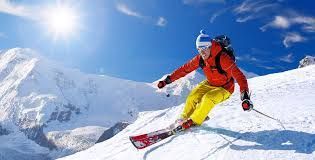
As temperatures drop and snow blankets the ground, winter sports enthusiasts eagerly prepare for a season of skiing, snowboarding, ice skating, and more.
While these activities offer an exciting way to stay active during the colder months, they also present unique physical challenges that can lead to injuries if the body isn’t properly prepared. A strategic approach to seasonal wellness can help you build strength, improve flexibility, and reduce the risk of common winter sports injuries.
The Demands of Winter Sports on the Body
Winter sports require a combination of endurance, strength, balance, and coordination. Whether you're carving down a ski slope or gliding across an ice rink, your body must be equipped to handle sudden movements, uneven terrain, and repetitive stress. Some of the key physical demands include:
- Core Stability: Essential for maintaining balance and absorbing impact.
- Lower Body Strength: Crucial for activities like skiing and snowboarding, which put significant strain on the legs.
- Flexibility and Mobility: Helps prevent muscle stiffness and enhances movement efficiency.
- Cardiovascular Endurance: Necessary for sustaining energy levels during prolonged activity.
Understanding these demands allows you to tailor your training and recovery to better prepare for the season ahead.
Pre-Season Conditioning: Building Strength and Endurance
The best way to enjoy winter sports injury-free is by building a strong foundation before the season starts. A well-rounded pre-season training program should include:
1. Strength Training
Developing muscular strength is key to preventing injuries and enhancing performance. Focus on:
- Leg Exercises: Squats, lunges, deadlifts, and step-ups help strengthen the quadriceps, hamstrings, and glutes.
- Core Workouts: Planks, Russian twists, and stability ball exercises improve balance and posture.
- Upper Body Strength: While often overlooked, upper body strength is important for activities like skiing and snowboarding, where pole usage and bracing against falls play a role.
2. Cardiovascular Conditioning
Since winter sports require bursts of high-intensity movement, interval training can be especially beneficial. Activities like cycling, stair climbing, and running help boost stamina and lung capacity.
3. Balance and Proprioception Training
Many winter sports involve unpredictable movements, requiring strong balance and proprioception (your body’s ability to sense movement and position). Incorporate:
- Single-leg exercises (e.g., single-leg squats, balance board training)
- Agility drills to improve reaction time and coordination
4. Flexibility and Mobility Work
Tight muscles increase the risk of strains and sprains. Stretching and mobility exercises keep joints and muscles supple. Key areas to focus on include:
- Hips and Hamstrings: Essential for skiing, snowboarding, and skating.
- Shoulders and Back: Important for pole use in skiing and falls in all winter sports.
- Ankles and Knees: Help with shock absorption and stability on uneven surfaces.
Preventing Common Winter Sports Injuries
Winter sports injuries often stem from falls, sudden twists, or overuse. Some of the most common include:
- Knee Injuries: Ligament tears (such as ACL or MCL) are common in skiing and snowboarding.
- Wrist and Shoulder Injuries: Falls onto an outstretched hand can lead to sprains, fractures, or dislocations.
- Lower Back Strain: Repetitive bending and twisting motions can cause muscular strain.
- Concussions: High-impact sports carry the risk of head injuries, making helmets a crucial protective measure.
Injury Prevention Strategies:
- Warm up before activity with dynamic stretching and light aerobic exercise.
- Use proper equipment, including well-fitted boots, helmets, and protective padding.
- Learn correct techniques for falls to minimize impact (e.g., tuck and roll rather than using hands to break a fall).
- Avoid overexertion—fatigue increases the risk of poor form and accidents.
Recovery and Post-Activity Care
Recovery is just as important as preparation. After a day on the slopes or rink, proper post-activity care can prevent soreness and aid muscle repair.
1. Active Recovery
Low-impact activities like swimming, yoga, or light cycling promote circulation and reduce stiffness.
2. Hydration and Nutrition
Cold weather can mask dehydration, so it's essential to drink enough fluids. Proper nutrition—including protein for muscle repair and carbohydrates for energy replenishment—supports recovery.
3. Chiropractic and Massage Therapy
Chiropractic adjustments can help maintain spinal alignment and joint mobility, reducing strain and improving performance. Sports massage aids in muscle relaxation and injury prevention by relieving tension and improving circulation.
4. Rest and Sleep
Muscles need time to repair, so prioritize quality sleep and allow adequate recovery between intense activity sessions.
Final Thoughts
Winter sports provide an exhilarating way to stay active during colder months, but proper preparation is essential for avoiding injuries and maximizing performance. By focusing on pre-season conditioning, practicing injury prevention strategies, and prioritizing recovery, you can enjoy a safe and successful season on the slopes, rink, or trails.
If you're looking to optimize your body for winter sports, schedule an appointment with Peak Performance Chiropractic. Our team can help with mobility, strength, and injury prevention strategies to keep you performing at your best all season long.
Bethany Wolcott
D’Youville Chiropractic ‘26