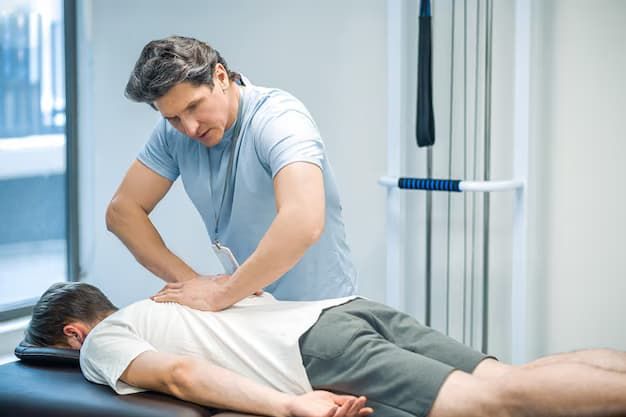


You just finished a deep tissue massage. You’re walking out feeling lighter, looser, maybe a little tender, and possibly wondering: Is this normal? (Yes.) What do I do now? (Keep reading.)
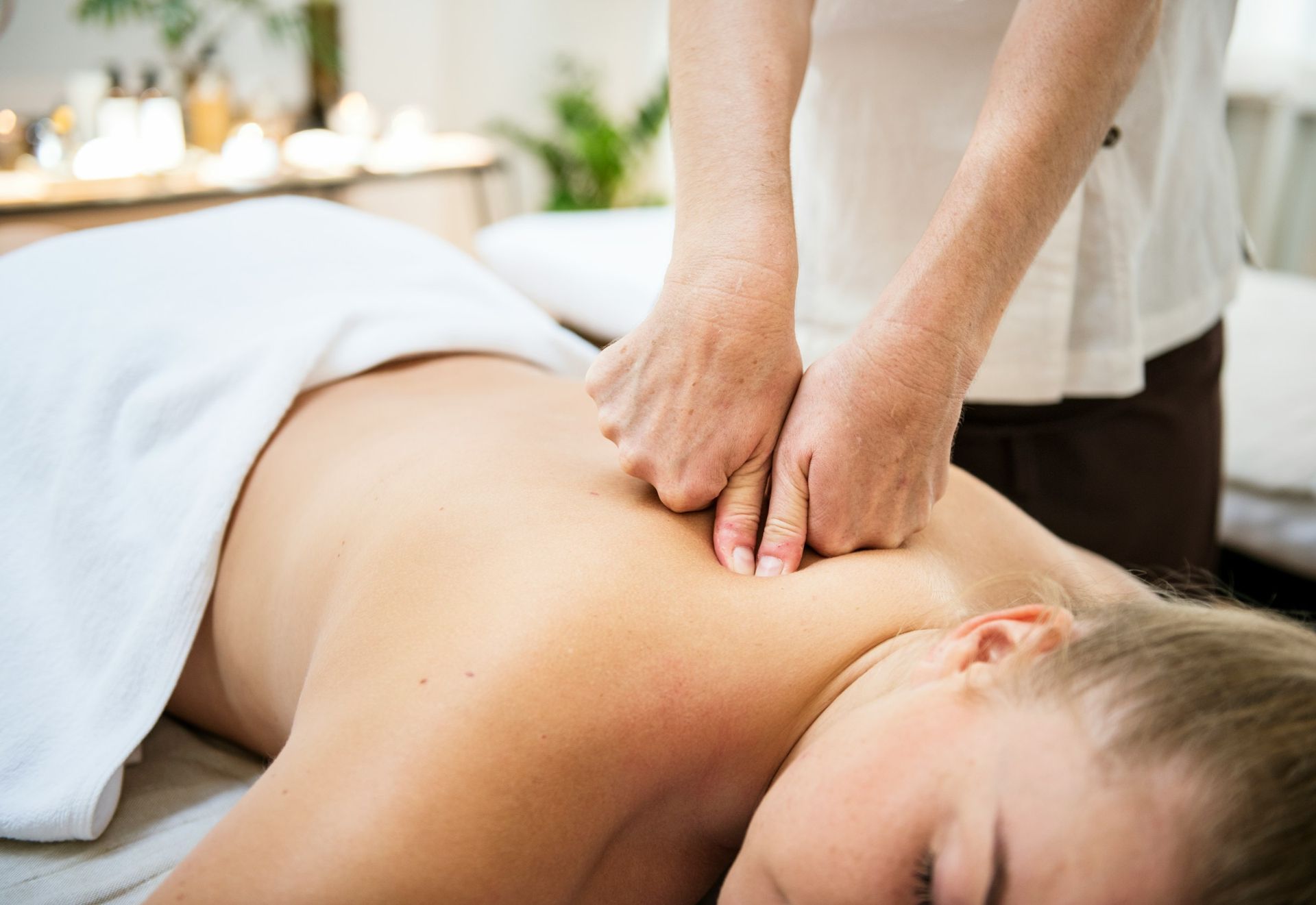
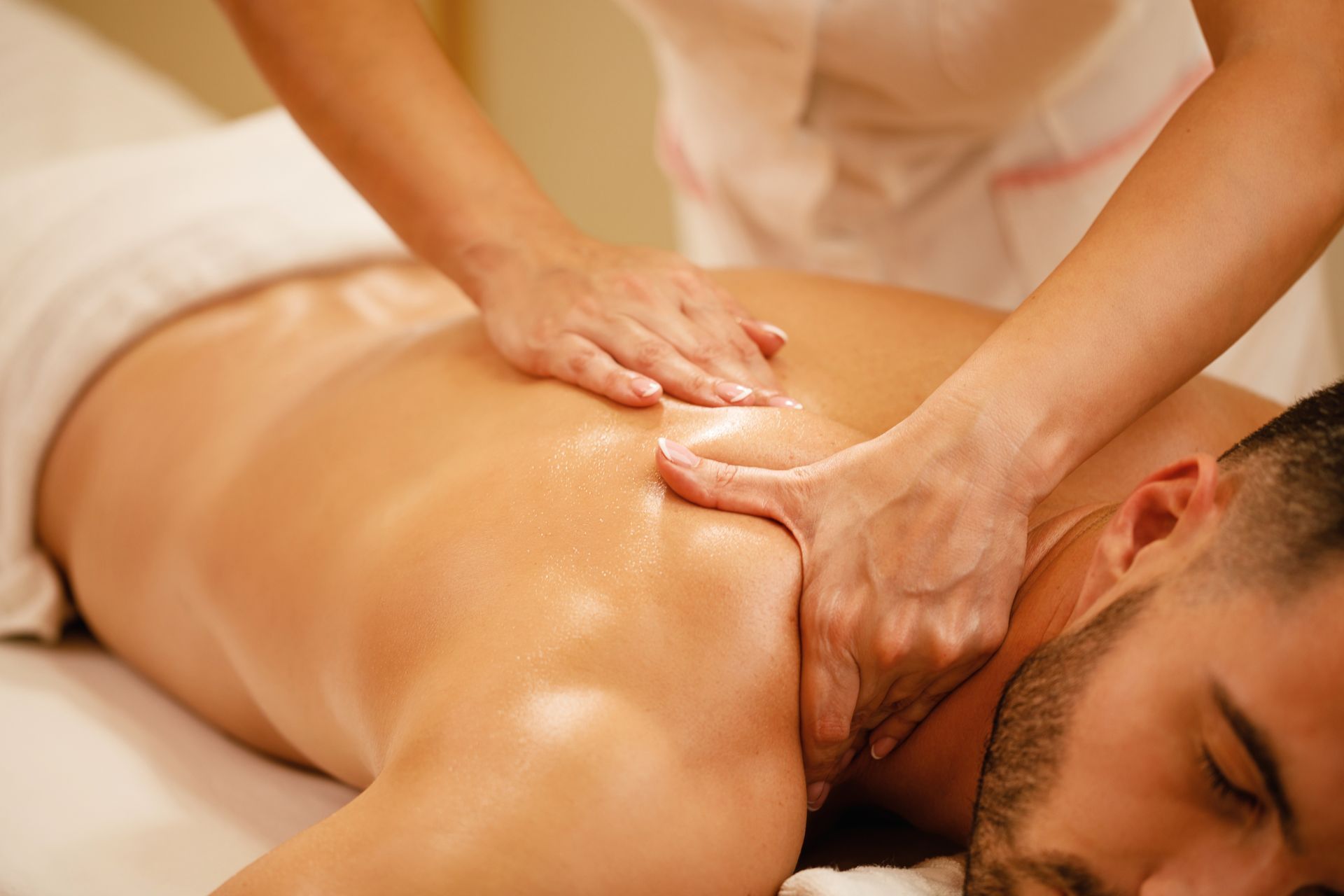
Deep tissue massage is designed to target deeper layers of muscle and connective tissue. It’s especially helpful for chronic tension, old injuries, stubborn knots, and areas that just won’t quit (we’re looking at you, upper traps and hips). Because it works deeper than a relaxation massage, what you do after your appointment matters.
Here’s how to support your body post-massage so you get the most out of your session.
1. Drink Water — And Yes, It Actually Matters
You’ve probably heard this before: “Make sure you drink lots of water.” It’s not just something we say out of habit.
Deep tissue massage increases circulation and stimulates the lymphatic system. As tight muscles are worked on, metabolic waste products (like lactic acid and other byproducts of normal muscle activity) are mobilized. Your body needs adequate hydration to efficiently process and eliminate these substances.
Water also helps:
- Maintain healthy circulation
- Support muscle recovery
- Reduce post-massage soreness
- Prevent headaches or fatigue
When muscles are dehydrated, they’re more prone to stiffness and cramping. After a deep tissue session, your tissues have just been lengthened and mobilized. Giving them proper hydration helps maintain that improved mobility.
How much should you Drink?
Aim to increase your water intake for the rest of the day. A good rule of thumb: sip consistently, rather than chugging one giant bottle all at once. Clear to light-yellow urine is usually a good sign you’re well hydrated.
Bonus tip: Skip alcohol for the rest of the day if you can. Alcohol is dehydrating and may increase inflammation, which isn’t what we want after working deep into tissues.
2. Expect Some Soreness (It's Normal)
Deep tissue massage can sometimes feel similar to a tough workout. You may notice mild to moderate soreness for 24–48 hours. This is a normal response to deeper pressure and the release of chronic tension patterns.
What it should feel like:
- Dull, achy muscle soreness
- Tenderness when pressing on treated areas
- Slight fatigue
What it should not feel like:
- Sharp, shooting pain
- Numbness or tingling
- Severe or worsening pain
If you ever feel something that doesn’t seem right, let your provider know. Communication helps us tailor your care.
To ease normal soreness:
- Stay hydrated
- Take a warm shower
- Use gentle movement
- Consider light stretching
Which brings us to…
3. Keep Moving (But Take It Easy)
It might be tempting to hit the gym hard because you’re feeling looser than you have in weeks. We love the enthusiasm — but this is not the time to max out your deadlift.
After a deep tissue massage, your muscles and connective tissues have been manually manipulated and lengthened. Jumping straight into high-intensity exercise can irritate tissues that are in recovery mode.
Instead:
- Go for a light walk
- Do gentle yoga
- Perform mobility drills
- Keep workouts lower intensity for 24 hours
Think of this as an “integration period.” Your nervous system is recalibrating, your muscles are adapting, and your body is processing change. Give it space to do that well.
4. Stretch (Yes, You Have Homework)
One massage is powerful. But consistent self-care between appointments is what creates lasting results.
Your massage therapist may have focused on specific areas — maybe tight hip flexors, rounded shoulders, or a chronically stiff neck. Following up with gentle stretching reinforces the work that was done.
Here’s why stretching matters post-massage:
- Maintains improved range of motion
- Prevents muscles from tightening back up
- Encourages healthy circulation
- Reinforces new movement patterns
Keep it gentle. This is not the time for aggressive, painful stretching. Aim for slow, controlled movements and hold each stretch for 20–30 seconds without bouncing.
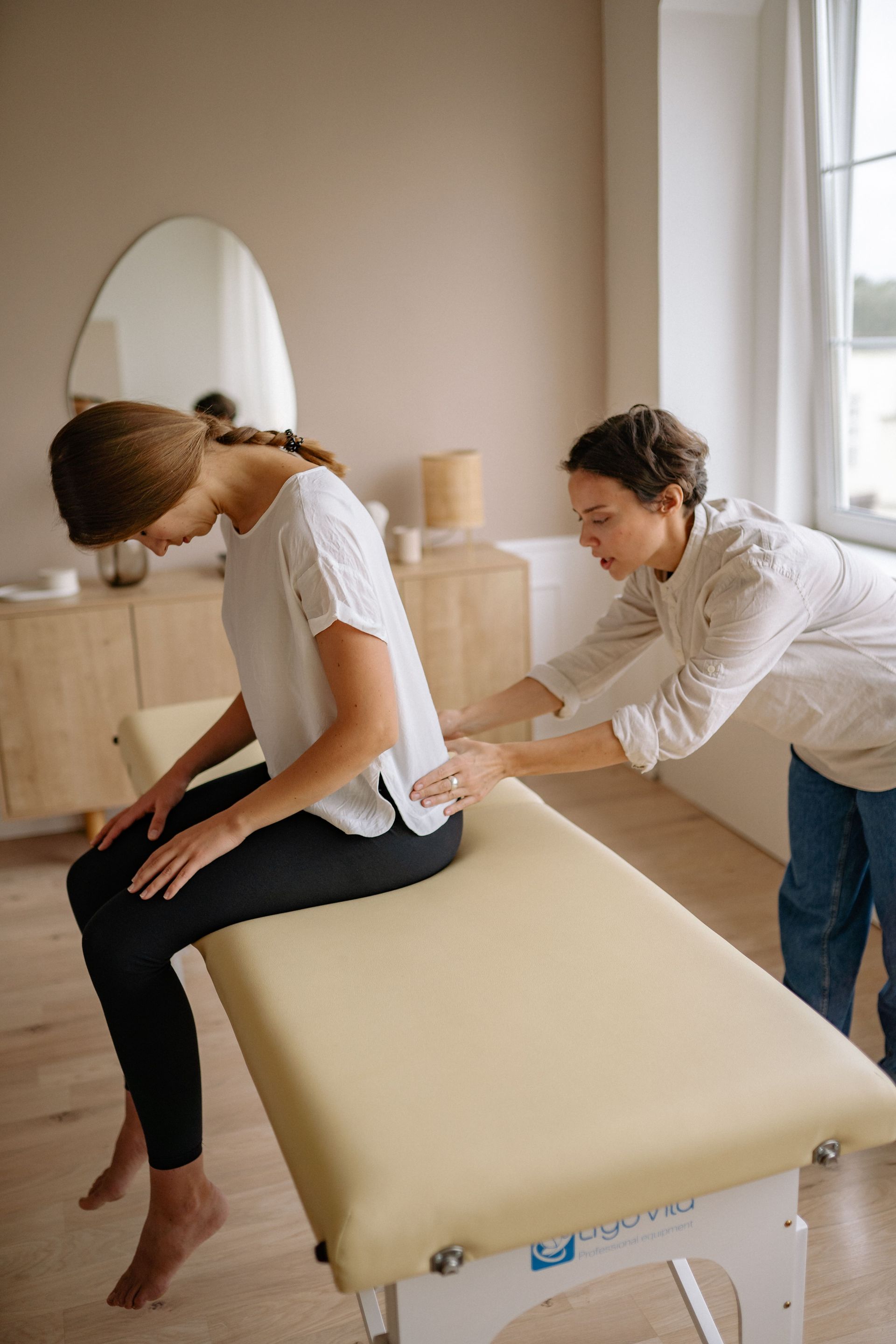
If you’re unsure what stretches are best for you, ask your massage therapist or chiropractor. We’re happy to give you targeted recommendations based on your specific needs.
5. Use Heat (When Appropriate)
Heat can be your best friend after deep tissue work.
A warm shower, heating pad, or warm compress can:
- Increase blood flow
- Relax lingering tension
- Reduce post-treatment stiffness
Typically, heat is helpful for muscle soreness. However, if you have acute inflammation or a fresh injury, ice may be more appropriate. If you’re unsure which is right for you, ask during your appointment.
6. Listen to Your Body
One of the biggest benefits of massage isn’t just physical — it’s neurological. Deep tissue work influences your nervous system, often shifting it from “fight or flight” mode into a more relaxed, parasympathetic state.
You may notice:
- Feeling sleepy
- Feeling calm and clear-headed
- Increased awareness of posture
- Reduced pain in previously tight areas
Pay attention to these changes. They give you insight into how your body responds to care. This awareness helps you make smarter decisions about movement, stress, and recovery going forward.
7. Support Your Posture and Ergonomics
If you leave your massage feeling great and then immediately spend six hours hunched over your laptop, guess what happens?
Muscles adapt to the positions you use most often. Supporting the work from your session means being mindful of your daily habits.
Try:
- Adjusting your desk height
- Keeping screens at eye level
- Taking movement breaks every 30–60 minutes
- Sitting with feet flat on the floor
Massage releases tension, but your daily habits determine how long that relief lasts.
8. Consider Pairing Massage with Chiropractic Care
Massage therapy works beautifully alongside chiropractic care. While deep tissue massage focuses on muscle and soft tissue, chiropractic adjustments address joint mobility and nervous system function.
When used together, they can:
- Improve overall movement patterns
- Reduce muscle guarding
- Enhance recovery
- Support long-term pain relief
If you’re already under chiropractic care, let us know how your massage session felt. If you’re not, and you’re dealing with recurring tightness or pain, it may be worth having a conversation with one of our chiropractors about whether combined care makes sense for you.
9. Plan Your Next Session
Deep tissue massage isn’t always a one-and-done situation — especially for chronic tension or long-standing postural issues.
Your therapist may recommend:
- Weekly sessions for acute issues
- Biweekly or monthly maintenance
- Alternating massage and chiropractic visits
Consistency is key. Muscles that have been tight for years don’t permanently change after one hour of work. But with regular care and good self-management, real, lasting improvement is absolutely possible.
The Bottom Line
After a deep tissue massage:
- Drink plenty of water
- Expect mild soreness
- Move gently
- Stretch consistently
- Use heat if needed
- Be mindful of posture
- Stay in communication with your providers
Massage is not just a “treat yourself” service — it’s a powerful therapeutic tool. When you support your body properly afterward, you extend the benefits and make each session more effective than the last.
If you have questions about what to do after your appointment or want personalized recommendations, talk with your massage therapist or chiropractor at your next visit. We’re here to help you move better, feel better, and stay that way.
Bethany Wolcott
D’Youville Chiropractic ‘26