Discover the Healing Power of Reiki in Buffalo, NY

In recent years, more people have turned to alternative medicine in Buffalo to find relief from stress, pain, and other physical or emotional discomforts. One of the most popular and effective holistic treatments is Reiki. This is a practice that uses energy healing to promote relaxation, reduce stress, and enhance overall well-being. Whether you’re new to the concept or looking to learn more, this guide will walk you through the key Reiki healing benefits. It will also explain why it’s worth trying in Buffalo.


What is Reiki?

Reiki is a Japanese form of energy healing that dates back to the early 20th century. The word "Reiki" comes from two Japanese words: "Rei," which means universal, and "Ki," meaning life energy. Reiki practitioners believe that universal life energy flows through all living things. When energy flow is blocked or disrupted, it can cause emotional or physical pain.

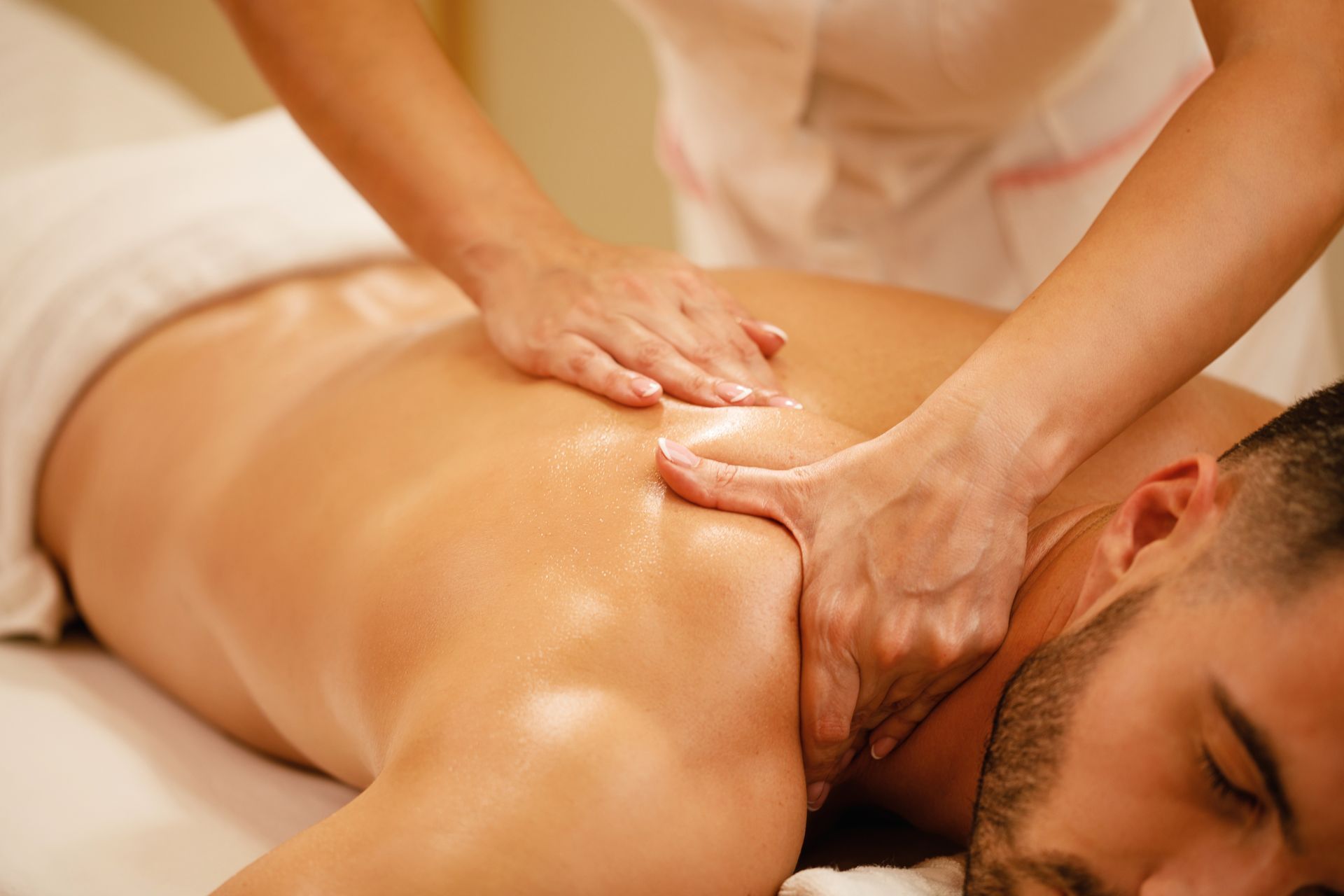
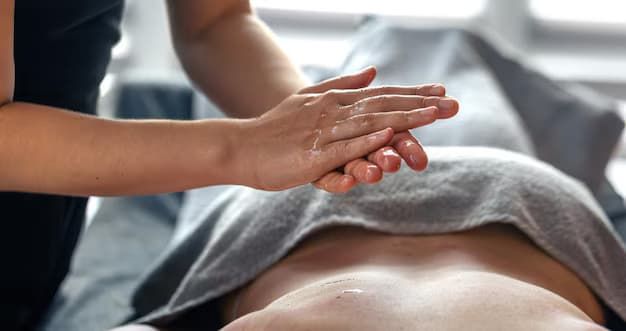
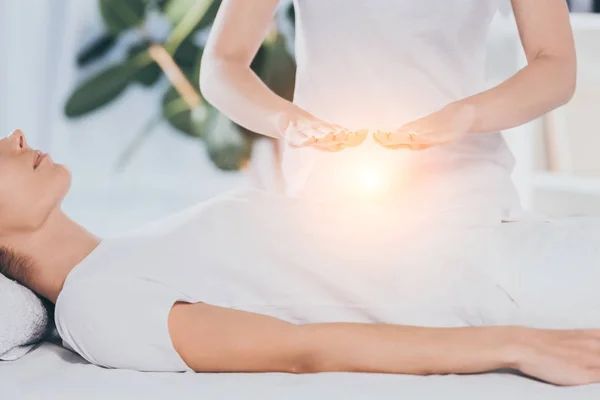
During a Reiki session in Buffalo, a trained practitioner will gently place their hands on or just above the body. This will channel life energy and promote healing. It’s a non-invasive, relaxing experience that complements other holistic therapies and treatments. The goal is to balance the energy within the body and support the body’s natural ability to heal itself.

But what makes Reiki such a powerful tool for health and wellness? Let’s explore the specific benefits.


1. Stress Reduction and Relaxation

One of the most significant benefits of Reiki in Buffalo is its ability to deeply relax the body and mind. Stress is something we all face, and over time, it can lead to a host of health issues, including headaches, insomnia, and digestive problems. Reiki works by calming the nervous system and encouraging the body to enter a state of deep relaxation. This allows it to release stress and tension.

During a typical session, many people report feeling peace and calm. Some describe it as a "reset" for their nervous system. This deep relaxation not only alleviates stress but also encourages natural healing processes, improving overall well-being. For those in Buffalo dealing with high-pressure jobs or life stresses, Reiki can provide much-needed relief and restore a sense of balance.


2. Pain Relief and Physical Healing

While Reiki is not a substitute for traditional medical treatments, it can be an effective complement to manage pain and support physical healing. By promoting the free flow of energy, Reiki helps reduce inflammation, improve circulation, and speed up the body’s natural recovery processes. It has been used to manage pain from chronic conditions such as arthritis, migraines, and fibromyalgia.

One of the unique aspects of Reiki healing benefits is that it addresses both physical and emotional pain. Unresolved emotional stress can manifest as physical discomfort, and Reiki aims to balance both. By working holistically, Reiki eases physical tension while also addressing any underlying emotional causes of pain.

In Buffalo, many people who have tried Reiki for pain management report feeling less discomfort and more mobility after their sessions. Whether you’re recovering from an injury or dealing with chronic pain, Reiki can provide gentle, non-invasive relief.


3. Emotional Healing and Mental Clarity

Reiki is not just about physical healing—it also profoundly affects emotional well-being. As a holistic therapy, Reiki focuses on balancing the mind and emotions along with the body. Reiki helps manage anxiety, depression, or emotional trauma.

During a Reiki session, the practitioner clears any blocked or stagnant energy that may contribute to emotional imbalance. This can help you release negative emotions such as fear, anger, or sadness, allowing you to feel more emotionally grounded and at peace. Over time, regular Reiki sessions can support emotional healing, leading to a more positive outlook on life and increased mental clarity.

For Buffalo residents seeking relief from emotional challenges, Reiki offers a safe, supportive space to process difficult feelings. It’s a gentle yet powerful way to restore balance and calm in both the mind and heart.


4. Enhanced Spiritual Connection

Although Reiki is not tied to any specific religion, it has a spiritual element that can help you feel more connected to your inner self and the world around you. Many people who practice or receive Reiki report feeling a deeper sense of purpose and connection to life’s larger meaning. It can be a meditative experience, helping you become more in tune with your body, mind, and spirit.

If you're exploring holistic therapies to deepen your spiritual journey, Reiki may offer a path toward greater self-awareness and connection to the energy that flows within and around you. It’s a subtle yet profound practice that allows you to tap into the universal energy that sustains all life.

Whether you’re spiritual or simply seeking a deeper connection to yourself, Reiki can provide a nurturing space to explore and enhance that bond.


5. Complements Traditional Medical Treatments

One of Reiki's great advantages is that it can be used alongside traditional medical treatments. Whether you’re recovering from surgery, managing a chronic illness, or undergoing cancer treatment, Reiki can offer additional support. It reduces medication side effects, alleviates stress associated with medical treatments, and enhances healing.

Buffalo residents use Reiki as part of their health care routine. This includes treatments such as physical therapy, acupuncture, and counseling. As more people embrace alternative medicine in Buffalo, Reiki is becoming a popular option for those looking to boost their bodies' ability to heal and recover naturally.

By addressing the physical, emotional, and spiritual aspects of health, Reiki provides a well-rounded approach to wellness that complements other forms of care.


Why Reiki is Worth Trying in Buffalo

Reiki is much more than just a relaxation technique—it’s a powerful, holistic therapy that offers a wide range of benefits for the mind, body, and spirit. Whether you’re looking to reduce stress, manage pain, or explore a deeper spiritual connection, Reiki provides a gentle yet effective path toward healing.

In Buffalo, where people are increasingly turning to alternative medicine, Reiki is gaining recognition as a valuable tool for enhancing overall well-being. If you’re curious about Reiki for yourself, consider booking a session with a trained Reiki practitioner in the area. Whether you’re new to holistic therapies or have tried other approaches, Reiki could be the missing piece in your wellness puzzle.

Discover the healing power of Reiki in Buffalo and take the first step toward a healthier, more balanced life.
By S21 GMB February 17, 2026
Fiber doesn’t get the flashy reputation of protein or the hype of supplements, but make no mistake—fiber is doing a lot of heavy lifting behind the scenes. From digestion and blood sugar control to inflammation and even musculoskeletal health, fiber plays a bigger role in how your body feels day to day than most people realize. Yet most adults fall well short of the recommended daily intake. So let’s fix that. Here’s what fiber actually is, what it does in the body, where to find it, and why it matters—not just for your gut, but for your whole system. What Is Fiber, Anyway? Dietary fiber is a type of carbohydrate found in plant foods that your body can’t fully digest or absorb. Instead of being broken down and used for energy, fiber passes through your digestive system mostly intact—and that’s exactly what makes it so valuable. Fiber comes in two main forms: Soluble Fiber Dissolves in water and forms a gel-like substance Helps slow digestion Supports blood sugar control and cholesterol levels Found in foods like oats, beans, apples, citrus fruits, chia seeds, and flaxseed Insoluble Fiber Does not dissolve in water Adds bulk to stool and helps move things along Supports regular bowel movements Found in whole grains, nuts, seeds, and many vegetables (especially skins) Most fiber-rich foods contain a mix of both types, which is great—your body benefits from each in different ways. What Does Fiber Do in the Body? Fiber’s most famous job is keeping digestion regular, but that’s just the beginning. 1. Supports Digestive Health Fiber helps: Prevent constipation Improve stool consistency Feed beneficial gut bacteria A well-fed gut microbiome produces short-chain fatty acids that help regulate inflammation, immune function, and gut integrity. Translation: fiber helps your gut work with you, not against you. 2. Helps Regulate Blood Sugar Soluble fiber slows the absorption of sugar into the bloodstream, which helps prevent sharp spikes and crashes in blood glucose. This is especially important for people managing insulin resistance, prediabetes, or energy slumps throughout the day. 3. Supports Heart Health Fiber—particularly soluble fiber—can help lower LDL (“bad”) cholesterol by binding to cholesterol particles in the digestive tract and escorting them out of the body. Lower cholesterol levels are associated with reduced cardiovascular risk. 4. Aids in Weight Management Fiber increases feelings of fullness and satiety, which can help reduce overall calorie intake without intentional restriction. High-fiber foods also tend to require more chewing and take longer to digest—giving your brain time to register that you’re full. 5. Helps Manage Inflammation Chronic, low-grade inflammation plays a role in joint pain, stiffness, and many musculoskeletal conditions. Fiber supports a healthier gut environment, which is closely tied to systemic inflammation levels. A calmer gut can mean a calmer body. Why Fiber Matters for Chiropractic and Massage Patients So what does fiber have to do with your spine, joints, and muscles? More than you might think. Reduced inflammation can support joint comfort and tissue recovery Improved nutrient absorption helps your body better utilize vitamins and minerals needed for muscle and connective tissue health Better gut health can influence pain perception and nervous system regulation If your body is inflamed, under-fueled, or struggling with digestion, it can absolutely affect how you feel physically—and how well you respond to hands-on care like chiropractic adjustments or massage therapy. How Much Fiber Do You Need? General daily recommendations: Women: ~25 grams per day Men: ~38 grams per day Most people average closer to 10–15 grams daily, which means there’s a big opportunity for improvement. The key is increasing fiber gradually and drinking enough water to avoid bloating or discomfort. Top Food Sources of Fiber Here are some fiber all-stars to work into your routine: Fruits Raspberries (8g per cup) Pears Apples (with the skin!) Oranges Bananas (especially slightly green) Vegetables Broccoli Brussels sprouts Carrots Sweet potatoes (skin on) Leafy greens Whole Grains Oats Quinoa Brown rice Barley Whole grain bread and pasta (check labels!) Legumes Lentils Chickpeas Black beans Kidney beans Split peas Nuts & Seeds Chia seeds Flaxseed Almonds Pumpkin seeds What About Fiber Supplements? Fiber supplements (like psyllium husk or methylcellulose) can be helpful in certain situations, especially for people struggling to meet their needs through food alone. That said, whole foods provide additional nutrients, antioxidants, and gut-supporting compounds that supplements don’t replicate. If you’re considering a supplement, it’s best to discuss it with a healthcare provider—especially if you have digestive conditions or are managing blood sugar or cholesterol levels. Tips for Increasing Fiber Without Upsetting Your Gut Increase intake slowly over 1–2 weeks Drink more water as fiber intake rises Spread fiber across meals instead of loading it all at once Mix raw and cooked vegetables Pay attention to how your body responds Some temporary gas or bloating can happen at first—this usually settles as your gut adapts. The Bottom Line Fiber may not be flashy, but it’s foundational. It supports digestion, heart health, blood sugar balance, inflammation control, and even how your body feels day to day. For patients receiving chiropractic or massage care, optimizing fiber intake can be one more way to support overall comfort, recovery, and long-term wellness.  If you’re curious about how nutrition, movement, and hands-on care can work together to help you feel your best, talk with one of our providers at your next visit. Sometimes small changes—like adding more fiber—can make a surprisingly big difference. Your gut (and your spine) will thank you. Bethany Wolcott D’Youville Chiropractic ‘26
By S21 GMB February 9, 2026
If you’ve ever called our office and asked, “Do you have availability for the chair?”—you’re not alone. At this point, the Back-on-Trac Decompression Chair has become something of a local legend. The name may sound intimidating (we promise, no medieval contraptions here), but the experience is quite the opposite. Comfortable, relaxing, and surprisingly gentle, this chair has earned its reputation as one of our most requested therapies. So what’s all the hype about? Let’s take a closer look at why the Back-on-Trac has become a favorite for patients dealing with back and neck pain—and why it might be exactly what your spine has been asking for. Why Spinal Compression Is Such a Big Deal Modern life is not especially spine-friendly. Long hours sitting at desks, staring down at phones, commuting, lifting kids, exercising without enough recovery, and even stress can all add up. Over time, these daily demands compress the spine, especially the discs that sit between each vertebra. These discs are meant to act like shock absorbers, but when they’re under constant pressure, they can lose hydration, bulge, or irritate nearby nerves. That’s when symptoms like stiffness, aching, sharp pain, numbness, or tingling start to show up—and they don’t always go away on their own. This is where decompression therapy comes in. Decompression Therapy: Creating Space to Heal Decompression therapy is a non-surgical, non-invasive approach designed to gently reduce pressure on the spine. Instead of forcing movement or aggressively stretching tissues, decompression works by slowly and carefully creating space between the vertebrae. The Back-on-Trac chair does exactly that. By applying a controlled, gradual stretch, it helps relieve pressure on spinal discs and nerves, encouraging improved circulation and nutrient flow to the area. When pressure is reduced, the body finally gets a chance to do what it does best—heal. A helpful way to think about it: if your spine has been feeling “compressed” by life, decompression therapy gives it room to breathe again. What It’s Like to Use the Back-on-Trac Chair One of the reasons patients love the Back-on-Trac is how comfortable and approachable it feels. You’re seated upright in a supportive chair, secured with straps to ensure proper positioning. Once the session begins, the chair applies a gentle traction force tailored to your body and condition. There’s no sudden pulling, twisting, or cracking. Most people describe the sensation as a deep, relieving stretch—often followed by a feeling of lightness or relaxation. Many patients are surprised by how calming the experience is, especially if they came in expecting something intense. Sessions are typically short, making it easy to fit into your day, and there’s no downtime afterward. You can return to work, errands, or other treatments feeling looser and more comfortable. Who Can Benefit from Back-on-Trac Decompression? Decompression therapy is especially helpful for people whose pain is rooted in disc or nerve compression. Some common conditions we see improvement with include: Herniated or Bulging Discs When discs push outward and irritate nearby nerves, pain can radiate into the arms or legs. Decompression can help reduce that pressure, easing symptoms like sharp pain, tingling, or numbness. Sciatica Pain that travels from the lower back into the hip or leg is often caused by compression of the sciatic nerve. By relieving spinal pressure, decompression therapy may help calm irritated nerves and reduce radiating pain. Degenerative Disc Changes As discs naturally lose hydration with age, the spine can become stiff and painful. Decompression helps offload stressed discs and supports healthier movement patterns. Spinal Stenosis Narrowing of the spinal canal can compress nerves and cause discomfort or weakness. Gentle decompression may help create more space and reduce symptom flare-ups. Chronic Back or Neck Tension Even without a formal diagnosis, everyday aches from posture, overuse, or stress can respond well to decompression therapy. More Than Pain Relief: The Bigger Benefits While pain relief is often the first thing people notice, decompression therapy offers benefits that go beyond symptom management. It’s drug-free. No medications, injections, or reliance on painkillers. It’s non-invasive. No surgery, no recovery period, no risks associated with invasive procedures. It supports long-term spinal health. By improving disc hydration and reducing ongoing compression, decompression therapy can help prevent recurring issues. It pairs well with chiropractic and massage care. Many patients find that decompression enhances the results of adjustments and soft-tissue work by preparing the spine to move more freely. Think of the Back-on-Trac as part of a bigger picture—one tool in a comprehensive approach to caring for your spine. Why an Initial Chiropractic Visit Matters Before hopping into the Back-on-Trac chair, we always start with an appointment with one of our chiropractors. This step is essential. Not every condition is appropriate for decompression, and we want to make sure it’s both safe and effective for you. During your initial visit, your chiropractor will review your health history, assess your spine, and determine whether decompression therapy fits into your personalized care plan. Once you’re cleared, you can schedule Back-on-Trac sessions with confidence, knowing your care is tailored to your body’s needs. We currently offer Back-on-Trac at both of our locations, making it easy to access this popular therapy. Is the Back-on-Trac Right for You? If you’ve been living with back or neck pain, feeling stiff when you wake up, or noticing that everyday activities are becoming less comfortable, decompression therapy may be worth exploring. The Back-on-Trac chair is gentle, effective, and designed to support healing—not just mask symptoms. Sometimes, the most powerful changes come from giving your body the space it needs. Ready to Try “The Chair”? The Back-on-Trac Decompression Chair has helped countless patients find relief, improve mobility, and feel more at ease in their bodies. If you’re curious about whether it’s right for you, we’d love to help. Schedule your initial chiropractic appointment today, and take the first step toward a spine that feels supported, decompressed, and ready for whatever life throws your way. Bethany Wolcott D’Youville Chiropractic ‘26
By S21 GMB February 2, 2026
Low back pain can feel like a giant question mark. Is it a muscle strain? A disc issue? Or something with a long, hard-to-pronounce name that you heard once and promptly forgot? Two conditions that often get mixed up are spondylolysis and spondylolisthesis . They’re related, they sound almost identical, and they often involve the same area of the spine—but they are not the same thing. Understanding the difference can help you make sense of your symptoms, imaging results, and treatment options. Let’s break it down in plain English.
By S21 GMB January 19, 2026
If you’ve ever dealt with back or neck pain, you’ve probably been told to “take pressure off the spine.” Easier said than done, right? That’s where a traction table comes in. Traction tables are a common, evidence-informed tool used in chiropractic offices to help reduce spinal compression, improve mobility, and relieve pain—without surgery or medications. Let’s break down what a traction table is, how it works, and who may benefit from incorporating traction into their care plan. 
By S21 GMB January 12, 2026
If you’ve ever wandered down the supplement aisle or scrolled past a wellness influencer, you’ve probably seen the words probiotic and prebiotic tossed around like everyone automatically knows what they mean. They sound similar, they’re often mentioned together, and yet they serve very different roles in your body. Understanding the difference between probiotics and prebiotics—and why both matter—can help you make smarter choices for digestion, immunity, inflammation, and even musculoskeletal health. Let’s break it down.
By Jun Sanchez January 5, 2026
Every January, the same thing happens. Gyms get crowded. Grocery carts fill with leafy greens. Water bottles reappear from the back of cabinets. And somewhere around mid-February… motivation quietly slips out the back door. If this sounds familiar, you’re not failing. You’re human. New Year’s resolutions get a bad reputation because so many of them don’t stick—but that doesn’t mean setting goals is pointless. It just means we need a better, kinder approach. One that focuses less on perfection and more on progress. Here’s how to make resolutions that feel doable, meaningful, and—most importantly—keepable. 
By Jun Sanchez December 29, 2025
Have you ever noticed back tension when you’re stressed, or neck stiffness that seems to flare up when you’re not feeling well? While it may seem coincidental, there’s a fascinating neurological explanation behind these patterns: the viscerosomatic reflex . Understanding the viscerosomatic reflex helps explain why internal organ dysfunction can show up as muscle tension, pain, or restricted movement—and why chiropractic and massage care can play a valuable role in managing these patterns. Let’s break it down. 
By Jun Sanchez December 24, 2025
Peak Performance Chiropractic & Wellness proudly hosted our Onederland Celebration , a festive, family-friendly event created to thank our patients, staff, and community for an incredible year of growth and support. The celebration brought together families, friends, and neighbors for an afternoon filled with holiday cheer, laughter, and meaningful connection. Guests enjoyed seasonal activities, treats, and special surprises while coming together for a greater purpose. The event also served as a toy drive benefiting Be A Blessing Buffalo , allowing attendees to give back and help bring joy to local families during the holiday season. The Onederland Celebration truly reflected what Peak Performance stands for—community, gratitude, and giving back. We are incredibly thankful to everyone who attended, donated, volunteered, and helped make this event such a success. Because of our amazing community, we were able to celebrate one year of growth while spreading kindness and making a positive impact beyond our walls. We look forward to continuing this tradition and creating even more meaningful moments together in the years ahead. 
By Jun Sanchez December 22, 2025
Understanding Fibromyalgia
By S21 GMB December 15, 2025
As temperatures drop and snow blankets the ground, winter sports enthusiasts eagerly prepare for a season of skiing, snowboarding, ice skating, and more. While these activities offer an exciting way to stay active during the colder months, they also present unique physical challenges that can lead to injuries if the body isn’t properly prepared. A strategic approach to seasonal wellness can help you build strength, improve flexibility, and reduce the risk of common winter sports injuries.
Show More