
Pinched Nerve in Neck: Symptoms, Causes and What Helps

Cervical radiculopathy happens when a nerve root in the cervical spine is compressed or irritated. It causes neck pain, arm pain, numbness, tingling, or weakness. Most cases improve within 4 to 12 weeks with conservative care such as chiropractic adjustments, targeted exercise, and posture correction.
A pinched nerve in the neck is most common in adults over 40, often from disc changes, arthritis, or long hours with the head tilted forward. Symptoms can reach the shoulder, arm, and hand. Sudden weakness, loss of coordination, or severe pain after trauma needs prompt medical evaluation.
What Are the Symptoms of a Pinched Nerve?
Symptoms include neck pain, sharp pain that travels into the shoulder or arm, numbness, tingling, and hand weakness, usually on one side. Doctors call this pattern cervical radiculopathy. The exact signs depend on which nerve root is affected.
- Sharp or burning pain from the neck into the shoulder, arm, or hand
- Pins-and-needles tingling in the fingers
- Numbness in a specific part of the hand or arm
- Weak grip or trouble lifting the arm
- Pain that worsens when you turn or tilt your head
- Relief when you rest your hand on top of your head
What Causes a Pinched Nerve?
A pinched nerve in the neck happens when surrounding tissue presses on a nerve root as it exits the cervical spine. In adults over 40, the usual cause is wear and tear, including disc bulges, thinning discs, and bone spurs. In younger people, a herniated disc from a sudden strain is more likely.
Long hours with the head tilted forward add load to the neck joints and discs. That is why desk work and phone use are common contributors. Whiplash, repetitive overhead work, and awkward sleeping positions can also trigger symptoms.
Can a Pinched Nerve Cause Shoulder Pain?
Yes. A pinched nerve shoulder pattern is common because the C5 and C6 nerve roots supply the shoulder and upper arm. When one of those roots is irritated at the neck, the pain shows up in the shoulder even though the problem starts in the spine.
A pinched nerve in the neck is often mistaken for a rotator cuff problem. Clues that point to the neck include tingling in the fingers, pain that changes with head position, and a shoulder that moves normally but still aches.
How Can You Tell Which Nerve Root Is Pinched?
The location of your symptoms points to the affected nerve root. The table shows typical patterns, though they vary from person to person.
| Nerve root | Where you may feel it | Possible weakness |
|---|---|---|
| C5 | Shoulder, outer upper arm | Lifting the arm to the side |
| C6 | Thumb side of the forearm, thumb, index finger | Bending the elbow, extending the wrist |
| C7 | Back of the arm, middle finger | Straightening the elbow |
| C8 | Ring and little fingers | Grip strength |
C7 and C6 are the most commonly affected levels. Only a hands-on exam and, when needed, imaging can confirm the exact level.
What Helps a Pinched Nerve Heal?
Pinched nerve neck relief starts with reducing pressure on the nerve. Change positions often, avoid sustained head-forward postures, and apply heat or ice for 15 to 20 minutes at a time. Gentle movement works better than bed rest.
Over-the-counter anti-inflammatories help some people, but check with your doctor or pharmacist first. Gentle nerve glides can calm an irritated nerve, and our guide on how to floss your nerves explains the technique. If desk posture is part of the problem, our 6 stretches for tech neck are a good starting point. Avoid forceful stretching or self-cracking, which can worsen irritation.
Can a Chiropractor Help With a Pinched Nerve?
Yes, for many people with mild to moderate symptoms, chiropractic care is a reasonable conservative option. Research supports spinal manipulation or mobilization combined with exercise for neck-related arm pain. Results vary, and not every case is a fit.
At Peak Performance Chiropractic & Wellness, we begin with a history plus orthopedic and neurological screening to confirm that conservative care is appropriate. With a pinched nerve in the neck, we choose low-force techniques first and adjust as your symptoms respond. Care may include gentle spinal adjustments, Graston Technique soft-tissue work, and traction-based decompression therapy.
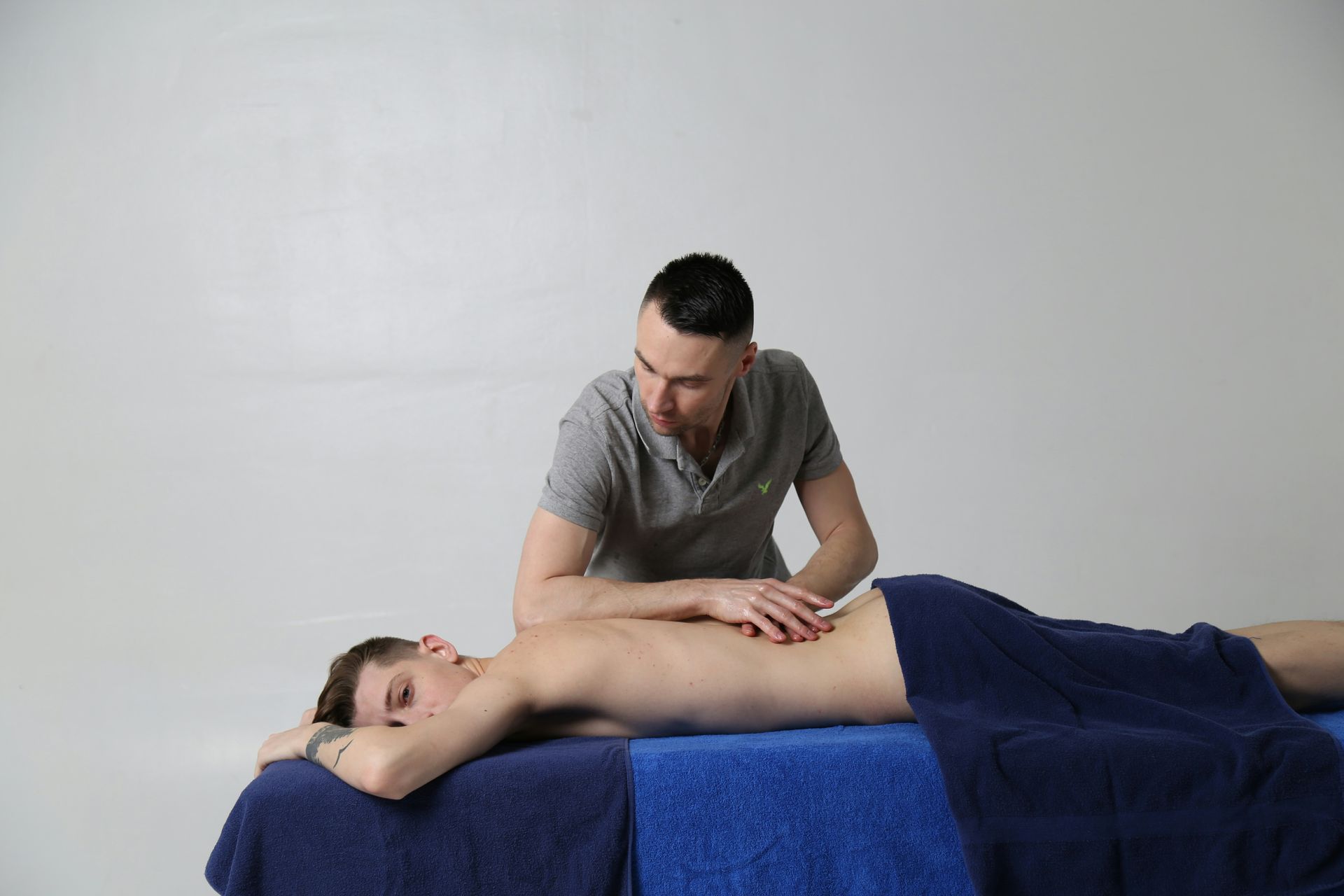
Our medical massage therapy team can address the muscle guarding that builds around an irritated nerve. If we find signs that need medical attention, we refer you right away. You can read more about our approach on our Chiropractic Care for Back, Neck Pain, Sciatica & Headaches page.
How Long Does a Pinched Nerve Take to Heal?
Most cases improve within 4 to 12 weeks with conservative care. Mild irritation can settle in a couple of weeks, while disc-related cases take longer.
Healing slows if the aggravating position continues, so posture and workstation setup matter as much as treatment. If symptoms haven't improved after about 6 weeks, ask for a re-evaluation.
When Is a Pinched Nerve an Emergency?
Seek emergency care for sudden or rapidly worsening arm weakness, trouble walking, loss of balance, or loss of bladder or bowel control. Fever with severe neck pain, or neck pain after significant trauma, also needs urgent care. Call 911 for chest pain, shortness of breath, or left arm pain with sweating, since those can signal a heart problem.
Ready to Book an Appointment for Neck and Arm Pain?
If neck pain, tingling, or arm weakness is getting in the way of your day, we can help you find out why. Call 716-335-9711 to set up a free consultation, or visit our contact page to reach our Kenmore or Hamburg office. You can also book an appointment online.
Frequently Asked Questions About a Pinched Nerve
Can a pinched nerve go away on its own?
Yes. Many mild cases resolve within weeks as inflammation settles and pressure on the nerve eases. Avoiding aggravating positions and staying gently active helps. If numbness, weakness, or pain lasts beyond a few weeks or gets worse, get evaluated rather than waiting.
Should you use heat or ice for a pinched nerve?
Either can help. Ice may calm sharp, recent flare-ups, while heat relaxes tight muscles around the nerve. Use each for 15 to 20 minutes with a cloth barrier, and choose whichever feels better. Stop if symptoms worsen or your skin becomes irritated.
What is the best sleeping position for a pinched nerve?
Sleep on your back or side with a pillow that keeps your neck in line with your spine. Avoid stomach sleeping, which twists the neck. Some people feel better with the affected arm resting on a pillow. Adjust until the arm symptoms ease.
Is it safe to see a chiropractor for a pinched nerve?
It is generally safe when the provider screens first. A proper exam rules out red flags such as progressive weakness or fracture, and low-force techniques are typically used for irritated nerves. Tell your chiropractor about numbness, weakness, or recent trauma before treatment begins.
Does stretching help a pinched nerve?
Gentle stretching and nerve glides can help, but aggressive stretching can aggravate the nerve. Move slowly, stay within a comfortable range, and stop if tingling or arm pain increases. A clinician can show you which movements suit your symptoms.
What is the fastest way to relieve a pinched nerve?
There is no instant fix, but the quickest route is removing pressure. Change positions often, avoid head-forward postures, use heat or ice, and get an exam if symptoms last more than a few days. Early conservative care often shortens recovery.