
Tennis Elbow: Symptoms, Causes and Chiropractic and Massage Options

Tennis elbow, medically called lateral epicondylitis, is an overuse injury of the tendons on the outer elbow. It causes pain when gripping, lifting, or twisting the forearm. Most cases improve with rest, load management, and targeted exercises. Chiropractic care and massage can support recovery by easing tension and restoring movement.
Despite the name, tennis elbow affects far more office workers, painters, and tradespeople than tennis players. Any repeated wrist and grip motion can overload the tendon. Early care matters, because a tendon that keeps getting stressed heals slowly. Below, we answer the most common questions about symptoms, causes, exercises, and treatment options.
What Is Lateral Epicondylitis, and Why Is It Called Tennis Elbow?
Lateral epicondylitis is a tendon problem on the outer elbow, where the forearm muscles that lift the wrist attach to bone. The nickname comes from tennis players, who often develop it, but most people with the condition have never swung a racket.
It is usually caused by tendon degeneration from repeated strain rather than simple inflammation. It most often appears between ages 30 and 50 and tends to affect the dominant arm.
What Are the Symptoms of Tennis Elbow?
The main symptom is pain on the outside of the elbow that can spread down the forearm toward the wrist. Common signs include:
- Burning or aching over the bony bump on the outer elbow
- Pain when gripping, lifting a coffee cup, or shaking hands
- Weak grip strength or dropping objects
- Pain when twisting the forearm, such as opening a jar or turning a doorknob
- Stiffness in the elbow, especially in the morning
- Tenderness that increases after repeated use of the arm
Symptoms usually build gradually and flare with activity. They rarely appear overnight unless a sudden strain triggered them.
What Causes Tennis Elbow?
Repetitive wrist extension and gripping cause most cases. The tendon takes on more load than it can recover from, and small tears and degeneration follow.
Typing, using hand tools, painting, lifting, and racket sports all qualify.
In our experience, tennis elbow also involves tight forearm muscles, a stiff wrist, or limited motion in the neck and shoulder, which push extra work onto the elbow.
A sudden jump in activity, a heavy tool, or a poor grip makes the risk higher. Age matters too, since tendons recover more slowly as we get older.
How Long Does Tennis Elbow Last?
Most cases improve within several months to a year with conservative care, though some last longer. The timeline depends on how long the tendon has been irritated, how much you keep loading it, and how consistent your rehab is.
Mild cases that start treatment early often settle faster. Pushing through pain or returning to heavy gripping too soon is the most common reason recovery drags on. If tennis elbow lasts beyond several weeks despite rest, it deserves a professional evaluation.
What Are the Best Tennis Elbow Exercises?
The best tennis elbow exercises build tendon strength gradually, starting with gentle holds and progressing to slow lowering movements. Begin with isometric wrist extension: rest your forearm on a table, palm down, lift the wrist slightly, and hold for 30 to 45 seconds.
Next, add eccentric wrist extensions by lowering a light weight slowly over three to four seconds. Finish with gentle forearm stretches and grip strengthening. Stop if pain climbs above mild discomfort, and ask a provider to check your form. Doing a few exercises well beats doing many poorly.
How Does Chiropractic Care Help With Tennis Elbow Treatment?
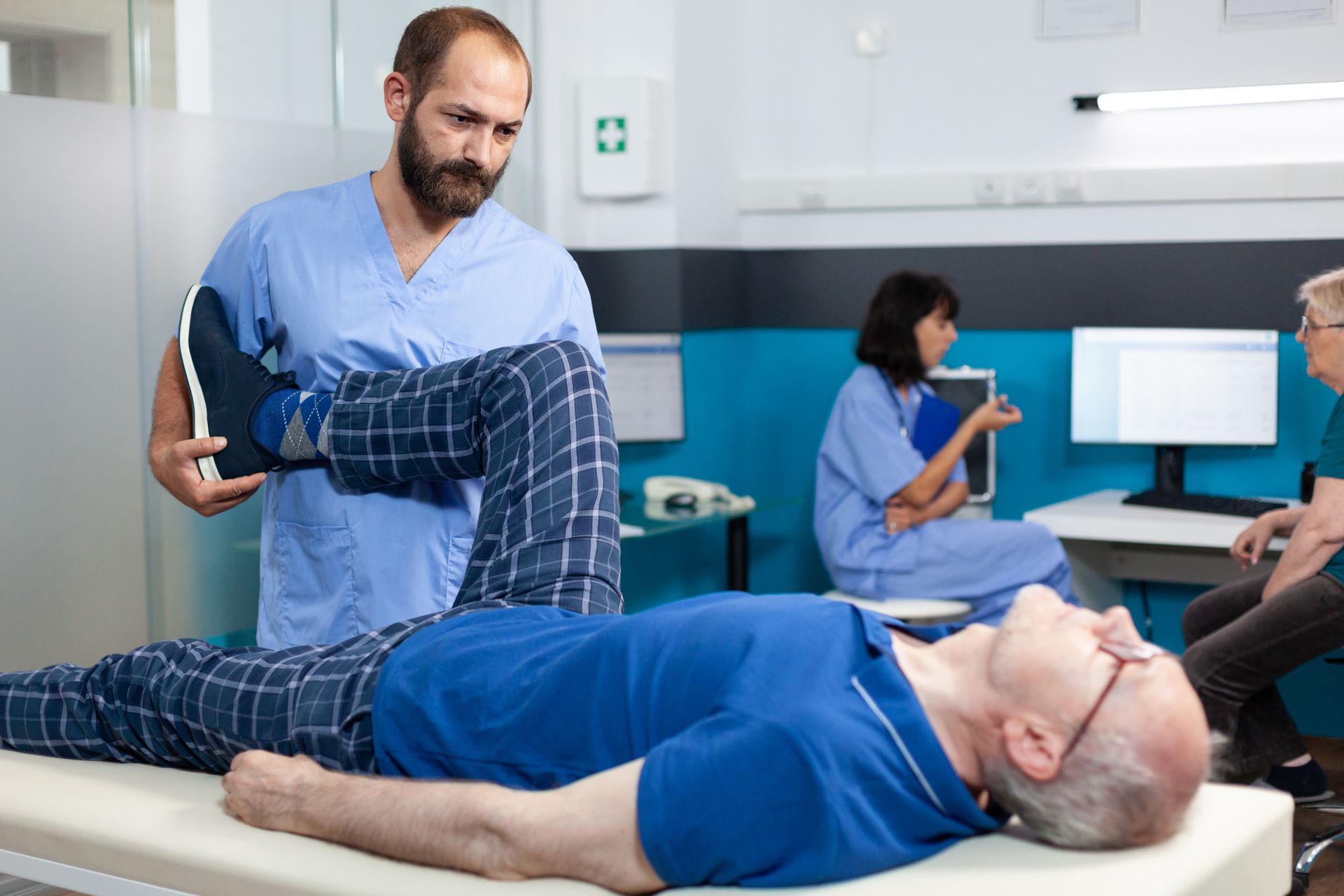
Chiropractic care helps by restoring joint motion in the elbow, wrist, and neck and by treating the soft tissue around the tendon. At Peak Performance Chiropractic & Wellness, our chiropractors may use extremity adjusting, Graston Technique (instrument-assisted soft tissue mobilization), and guided rehab exercises as part of a plan.
Research on these methods for this condition is limited and mixed, so we treat them as one part of a broader program, not a cure on their own. You can see everything we offer on our chiropractic services page.
Can Massage Therapy Help Tennis Elbow?
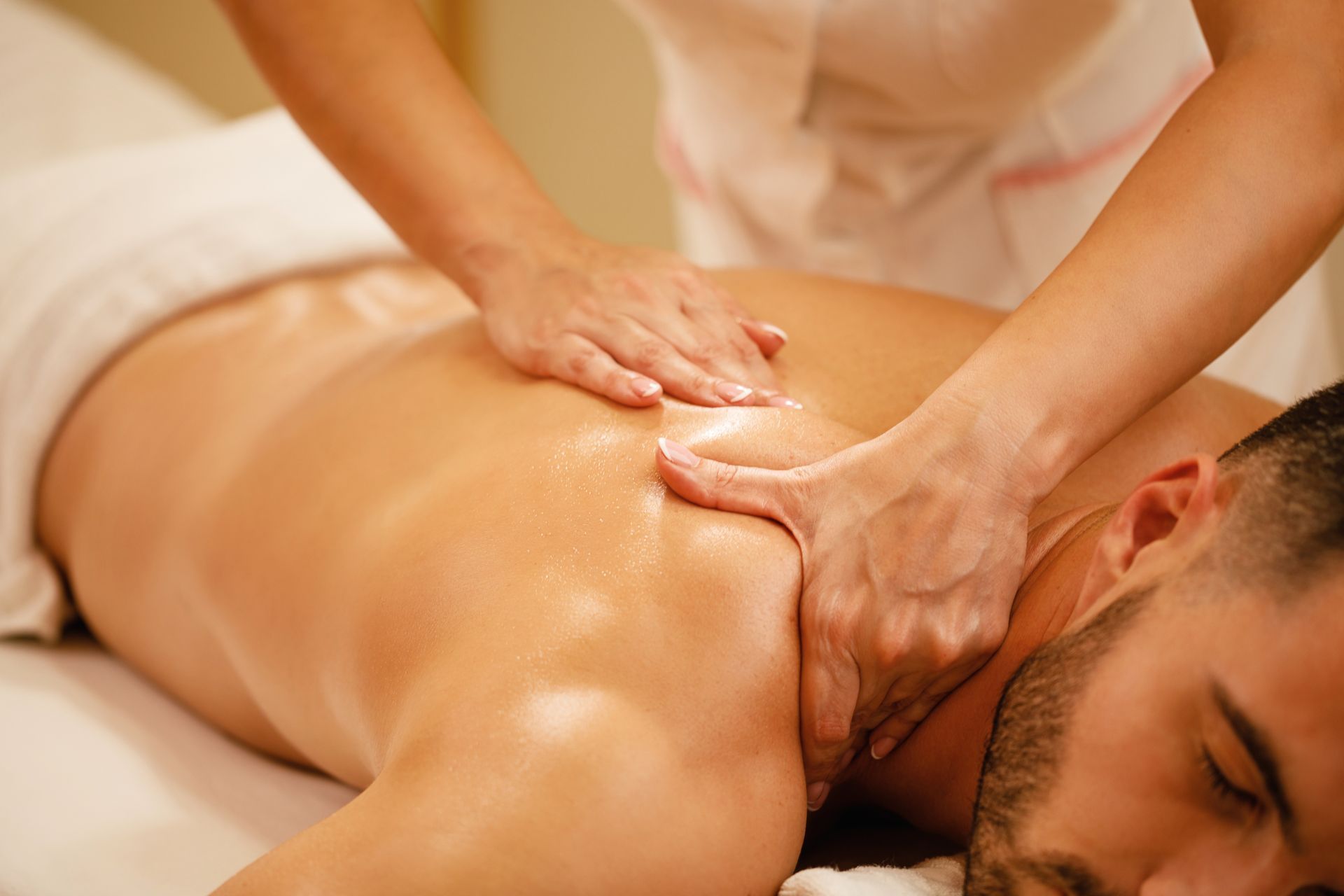
Yes, massage can reduce forearm muscle tension and pain, which takes load off the injured tendon. Our licensed massage therapists use deep tissue work, trigger point release, and cupping on the forearm, and they often work on the shoulder and neck as well. Massage for tennis elbow works best alongside exercises, not in place of them.
Learn more on our medical massage therapy page. For a closer look at how soft tissue care and spinal care fit together, read Medical Massage for Back Pain: Options and How It Compares With Chiropractic Care. If tight muscles keep returning, our post on why stretching more isn't always the answer explains what may be going on.
How Do Chiropractic Care and Massage Compare for Lateral Epicondylitis?
Chiropractic care targets joint motion and tendon loading, while massage targets muscle tension and circulation, and many people benefit from both. The table below shows how they differ.
| Approach | Main focus | Common techniques | Often best for |
|---|---|---|---|
| Chiropractic care | Joint mobility, tendon loading, movement patterns | Extremity adjusting, Graston Technique, rehab exercises | Stiff elbow, wrist, or neck; repeat flare-ups |
| Massage therapy | Forearm tension, circulation, soft tissue quality | Deep tissue, trigger point work, cupping | Tight, sore forearms and muscle guarding |
| Combined care | Both joint and muscle factors | Coordinated plan across providers | Persistent or slow-healing cases |
Our chiropractors and massage therapists work under one roof and communicate about each patient's plan.
When Should You See a Doctor for Elbow Pain?
See a medical doctor promptly if pain follows a fall or direct injury, the elbow is swollen, red, or warm, you have numbness or tingling in the hand, or you cannot straighten the arm. Also get evaluated if pain wakes you at night or has not improved after several weeks of rest. These signs can point to a fracture, nerve problem, or another condition that needs a different approach.
Ready to Get Relief? Book an Appointment
At Peak Performance Chiropractic & Wellness, we build care plans around how you move, work, and live. You can book an appointment at our Kenmore or Hamburg location, or reach us through our contact page. If you have questions first, call 716-335-9711.
Frequently Asked Questions
Can tennis elbow go away on its own?
Yes, mild cases can improve with rest and reduced activity over weeks to months. Without addressing what overloaded the tendon, such as repetitive gripping or poor mechanics, symptoms often return. Gradual strengthening speeds recovery and lowers the chance of a repeat flare-up.
Is heat or ice better for tennis elbow?
Ice may calm a sore flare-up when applied for 10 to 15 minutes after activity, while heat can loosen tight forearm muscles before exercises. Neither one repairs the tendon. Use whichever feels better and pair it with progressive strengthening for lasting improvement.
Should you rest or keep moving with tennis elbow?
Reduce painful activities but keep the arm moving gently. Complete rest can weaken the tendon, while gradual loading helps it heal. Aim for mild discomfort at most during exercises, and avoid repeated heavy gripping until your strength returns.
Does a brace or strap help tennis elbow?
A counterforce strap worn just below the elbow may reduce strain on the tendon during activity. It offers temporary relief and works best alongside exercises. Evidence for braces is mixed, so think of one as support for rehab, not a replacement for it.
Is lateral epicondylitis the same as tennis elbow?
Yes. Lateral epicondylitis is the medical name for tennis elbow, and it affects the outer elbow. Golfer's elbow, or medial epicondylitis, is a related condition that affects the inner side. The two share similar causes but hurt in different places.
What happens if tennis elbow goes untreated?
Untreated tennis elbow can linger for many months or become chronic. Pain may spread, grip strength can drop, and everyday tasks get harder. Continued stress on a damaged tendon slows healing, which is why early care and activity changes usually lead to better outcomes.