April 2016 – Essentials of the proper squat

Essentials of the proper SQUAT:


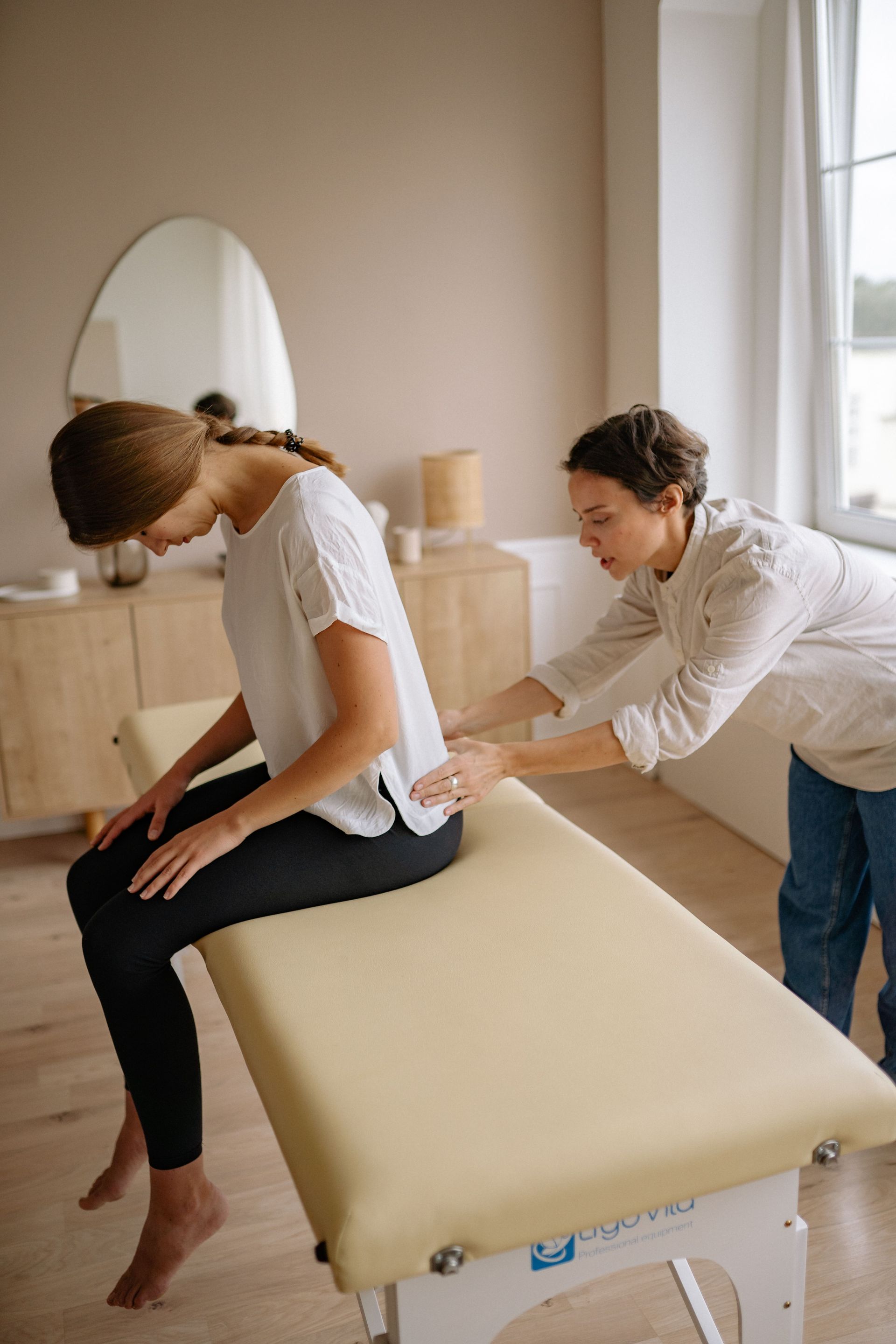
The majority of the patients seen at the office work out – whether they are weekend warriors, training for weight lifting competitions or anywhere in between – faulty squats tend to be the driving force in injuries and a key insight into the overall biomechanics of the body. The typical squat (without added weight) can yield considerable amounts of valuable, clinically relevant information.


A normal squat will have these characteristics:


  • Symmetry: the patient will not swerve to one side
  • The heels and the toes will remain on the ground; the feet will not rotate
  • The knees will not travel forward of the toes
  • Lumbar lordosis will be maintained throughout the squat
  • The head will remain up and neutral to slightly extended, but not flexed or hyperextended
  • Hip and knee motion should be fluid, pain-free and demonstrate movement throughout the ranges required to perform a squat
  • The knees should descend in alignment with the tibias and not travel medially


The take home message is that motions that we do on a daily basis (getting in and out of the car, sitting in a chair, accessing items from the floor or shelves, using the commode) or motions that we perform in order to make our bodies healthier can tell us a lot about bodily biomechanics. The squat is a functional movement complex used in many activities of daily living. The information your chiropractor receives from your squat gives a more clear diagnosis of muscles that need to be stretched or strengthened and joints that may need a manipulation.


If you have a particular question that wasn’t directly answered or you are ready to schedule an appointment, don’t hesitate to call the office at (716) 335-9711.

spinal decompression therapy
By S21 GMB • October 21, 2026
Learn how spinal decompression therapy works, what research says about disc herniation and sciatica, and how to know if it fits your symptoms.
medical massage
By S21 GMB • October 13, 2026
Learn how medical massage may help with back pain, compare massage therapy with chiropractic care, and find out when to seek medical attention.
chiropractic care for back pain
By S21 GMB • October 3, 2026
Learn how chiropractic care may help with back, neck pain, sciatica and headaches, what a chiropractor evaluates and how care is tailored to your needs.
Neck pain relief using heat and ice therapy for stiffness, muscle discomfort, and minor neck injurie
By S21 GMB • September 26, 2026
Learn when heat or ice may help with neck pain relief, how to use each safely, and when persistent or severe symptoms require medical evaluation.
Medical massage in Buffalo with a therapist assessing a client’s symptoms, treatment goals, and area
By S21 GMB • September 16, 2026
Learn how medical massage in Buffalo is tailored to your symptoms, goals, history, comfort level, and treatment needs during each session.
Massage therapy Hamburg session focused on targeted muscle tension compared with whole-body massage
By S21 GMB • September 2, 2026
Learn when massage therapy Hamburg clients may benefit from focused or whole-body sessions and how treatment can be tailored to individual needs.
massage therapy in Hamburg
By S21 GMB • August 25, 2026
Massage can ease pain temporarily, but recurring discomfort may have deeper causes. Learn why pain returns and when broader care may help.
Peak performance massage
By S21 GMB • August 15, 2026
Persistent muscle tightness may need more than stretching. Learn how massage and personalized care can help improve comfort, mobility, and movement.
Chiro vs Massage: which one to choose?
By S21 GMB • August 14, 2026
Chiropractic care and massage therapy are different approaches that address different aspects of musculoskeletal health. At Peak Performance Chiropractic & Wellness, we often see the greatest benefit when chiropractic care and massage therapy are used as complementary parts of a broader treatment plan.
August 14, 2026
How Can a Minor Collision Lead to Lasting Neck Problems Days Later?
Show More