
The Jaw–Neck Connection: Why Clenching Is Wrecking Your Upper Body

If you’ve ever caught yourself clenching your teeth during a stressful moment—or woken up with a sore jaw and thought, what did I even do?—you’re not alone.
Jaw tension is incredibly common, and most people think of it as a dental issue first. But here’s the part that often gets missed: what’s happening in your jaw doesn’t stay in your jaw.
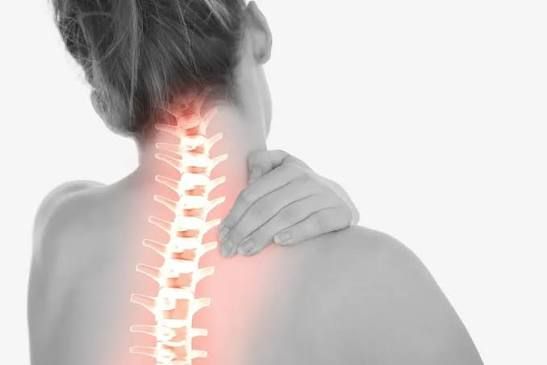
It can ripple into your neck, shoulders, and even your upper back—creating a chain reaction of tension that’s easy to feel but not always easy to trace.
Let’s connect the dots.
Meet Your Jaw: Small Joint, Big Impact
Your jaw is controlled by a group of muscles that are designed for powerful, repetitive actions like chewing and speaking. The main players include:
- The masseter (your primary chewing muscle)
- The temporalis (running along the side of your head)
- Several smaller muscles that help guide jaw movement
These muscles attach and interact with structures around your skull, face, and neck. That means when they’re tight or overactive, they don’t just affect your ability to chew—they can influence how your head sits on your neck and how your neck muscles behave.
In other words, your jaw doesn’t operate in isolation. It’s part of a bigger system.
What Is Clenching, and Why Does It Happen?
Clenching (and grinding, also known as bruxism) often happens without you realizing it.
Common triggers include:
- Stress and anxiety
- Concentration (hello, laptop hunch)
- Poor posture
- Sleep disturbances
During the day, you might notice yourself clenching while driving, working, or lifting something heavy. At night, it can happen unconsciously while you sleep.
The problem isn’t that it happens occasionally—it’s when it becomes a habit.
When your jaw muscles are constantly engaged, they don’t get a chance to relax and recover. That’s when tension starts to build.
How Jaw Tension Travels to Your Neck
Here’s where things get interesting.
Your jaw and neck are closely linked through both muscular and neurological connections. When your jaw muscles are tight, your body often compensates by recruiting nearby muscles—especially in your neck.
Some of the key players:
- The sternocleidomastoid (SCM), which helps turn and tilt your head
- The upper trapezius, which elevates your shoulders
- The suboccipital muscles, which sit at the base of your skull
When you clench your jaw, these muscles can become more active to stabilize your head and jaw position. Over time, that increased workload leads to:
- Neck stiffness
- Shoulder tightness
- Reduced range of motion
- That “heavy” feeling in your upper body
It’s not just coincidence that your jaw hurts and your neck feels tight—they’re working together more than they should.
The Headache Connection
Jaw clenching is also a major contributor to tension headaches.
The temporalis muscle (on the side of your head) can become irritated and overworked, leading to pain that feels like:
- A dull ache around your temples
- Pressure behind your eyes
- A band-like tightness around your head
Add in tight neck muscles, and you’ve got a perfect setup for headaches that seem to come out of nowhere.
Posture Makes It Worse (and Better)
Let’s talk posture—because it plays a big role here.
If you spend a lot of time with your head forward (looking at a phone or computer), your jaw position often shifts with it. This can:
- Increase tension in jaw muscles
- Change how your teeth come together
- Encourage clenching
Forward head posture also puts extra strain on your neck and upper back, compounding the problem.
The result? More tension, more clenching, and a harder time breaking the cycle.
Signs Your Jaw Might Be Part of the Problem
Not sure if this applies to you? Here are a few common signs:
- You wake up with jaw soreness or stiffness
- You notice yourself clenching during the day
- You have frequent tension headaches
- Your neck and shoulders always feel tight
- You hear clicking or popping in your jaw
- Your teeth feel sensitive or worn
Even if you only check a couple of these boxes, your jaw could be contributing more than you think.
What Can You Do About It?
The good news: there are ways to start calming things down.
1. Build Awareness
You can’t change a habit you don’t notice. Start checking in throughout the day:
- Are your teeth touching? (They shouldn’t be at rest)
- Is your tongue pressed to the roof of your mouth or relaxed?
- Are your shoulders creeping up?
A simple cue: “Lips together, teeth apart.”
2. Reset Your Posture
You don’t need perfect posture—just better variety.
Try:
- Bringing your screen up to eye level
- Taking short movement breaks
- Gently tucking your chin (not forcing it)
Small adjustments can reduce strain on both your jaw and neck.
3. Try Gentle Jaw Relaxation
A few simple techniques:
- Slow, controlled opening and closing of your mouth
- Light massage to the cheeks and temples
- Warm compresses for tight muscles
Nothing aggressive—this area responds better to subtle work.
Where Massage Therapy Comes In
This is where things can really start to shift.
Massage therapy can address not just the jaw itself, but the surrounding areas that are often part of the problem:
- Neck muscles
- Shoulders
- Upper back
- Even the muscles around the face (when appropriate)
By reducing tension in these connected areas, massage can:
- Decrease the pull on your jaw
- Improve neck mobility
- Reduce headache frequency
- Help your body “downshift” out of that constant clenching state
It’s not just about chasing the pain—it’s about addressing the pattern.
A Team Approach Matters
For some people, jaw clenching may also benefit from:
- Dental evaluation (especially for night guards)
- Stress management strategies
- Targeted exercises or stretches
Massage therapy fits into that picture as a way to manage the muscular side of things and support overall recovery.
The Takeaway
Jaw tension might seem like a small issue, but it can have a big impact on how your entire upper body feels.
If you’re dealing with persistent neck tightness, headaches, or that constant sense of tension in your shoulders, it’s worth asking: what is my jaw doing all day?
Because sometimes, the source of the problem isn’t where you feel it—it’s just a few inches away.
Final Thought
Next time you catch yourself clenching, don’t just shrug it off. That small habit could be driving a lot of the discomfort you’ve been trying to stretch, roll, or ignore away.
Give your jaw a break, let your shoulders drop, and take a slow breath.
Your neck will probably notice the difference.
Bethany Wolcott
D’Youville Chiropractic ‘26