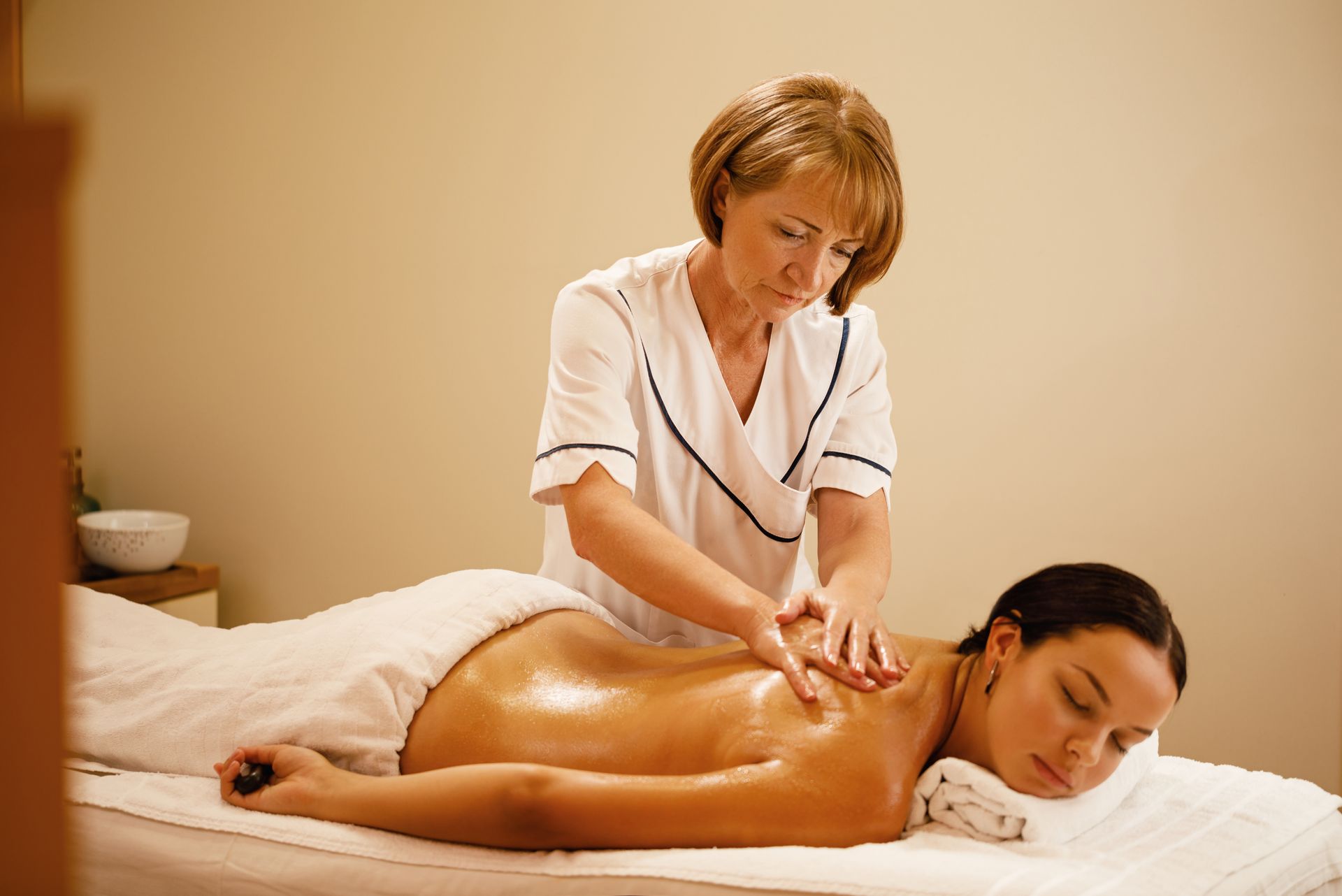
Chronic pain often begins far from the place where it is actually felt, making it more complex than it first appears. A stiff neck may stem from shoulder tension, while lower back discomfort can reflect deeper issues with posture, movement habits, or muscle imbalances developed over time. 


This is where deep tissue massage in Buffalo goes beyond short-term relief, working beneath the surface to target underlying patterns and helping prevent pain from returning.


Understanding Chronic Pain Patterns


Pain is not always the result of a single injury. In many cases, it develops over time through repeated strain, poor posture, or compensating movements. Muscles adapt to these habits by tightening, shortening, or becoming overactive, which can pull joints out of alignment and restrict normal motion.


When these patterns settle in, the body begins to treat them as “normal.” That is why stretching or resting alone may not resolve the issue. Deep tissue massage targets these deeper layers of muscle and fascia, helping to reset the way tissues behave and interact.


What Makes Deep Tissue Massage Different


Unlike lighter massage techniques, deep tissue work focuses on the inner layers of muscle and connective tissue. The goal is not simply relaxation, but structural change. Slow, sustained pressure is applied to break up adhesions, improve blood flow, and restore proper movement.


These adhesions, often referred to as “knots,” limit flexibility and can create pain that radiates beyond the original area. By addressing them directly, deep tissue massage in Buffalo helps reduce tension at its source rather than masking the symptoms.


Releasing Tension at the Root


Long-standing muscle tightness can quietly limit circulation and reduce oxygen flow to affected tissues. Over time, this creates a cycle where discomfort increases tension, and tension continues to worsen discomfort.


  • Improved Circulation: Targeted pressure helps restore healthy blood flow to restricted areas.
  • Muscle Release: Deep techniques break down adhesions and reduce stiffness.
  • Better Function: Guided movement supports natural muscle performance and flexibility.


At Peak Performance Chiropractic & Wellness, we focus on addressing the root cause of tension. With consistent deep tissue massage, many people notice improved mobility and lasting relief from chronic tightness.


The Role of Fascia in Pain


Fascia is the connective tissue that surrounds and supports muscles throughout the body. When it becomes restricted, it can contribute to stiffness and pain that feels widespread or difficult to pinpoint.


Deep tissue massage works not only on muscles but also on the fascial network. By improving its flexibility and hydration, the body can move more freely and with less strain. This is one of the reasons why deep tissue massage in Buffalo is often recommended for individuals dealing with chronic or recurring discomfort.

Supporting Recovery and Performance


Chronic pain is not limited to injury recovery. It can also affect athletes, active individuals, and anyone with a physically demanding routine. Repetitive motion, even in healthy activities, can lead to imbalances over time.


Regular sessions of deep tissue massage can help maintain muscle balance, reduce the risk of injury, and support faster recovery between activities. It allows the body to perform efficiently without carrying unnecessary tension from one movement to the next.

A Personalized Approach to Care


No two bodies carry tension in the same way. Some people experience tightness in the upper back and shoulders, while others feel it in the hips or legs. That is why a personalized approach is essential.


At Peak Performance Chiropractic & Wellness, we focus on understanding how each patient moves, where tension builds, and how those patterns affect daily life. Through this approach, deep tissue massage in Buffalo becomes more than a treatment; it becomes part of a larger plan to improve function and reduce pain.


What to Expect During a Session


A deep tissue massage session is typically slower and more focused than a traditional relaxation massage. Therapists use their hands, forearms, or elbows to apply steady pressure, working layer by layer through the muscle.


Some areas may feel tender, especially where tension has built up over time. However, the goal is always controlled and purposeful pressure, not discomfort for its own sake. Many patients who try deep tissue massage in Buffalo find that even a single session can create noticeable changes in how their body feels and moves.


Building Long-Term Results


True, lasting relief takes time and consistent care rather than a single session. Chronic pain patterns develop gradually and need a steady, focused approach to fully resolve.


  • Consistent Therapy: Regular sessions help release deep tension and prevent pain from returning.
  • Movement Awareness: Proper posture and daily movement habits support long-term results.
  • Stretching Routine: Gentle stretching keeps muscles flexible and reduces strain.


We focus on supporting your body during and between visits. With regular deep tissue massage, you can experience improved comfort, flexibility, and better daily movement.


Why Addressing the Source Matters


Treating symptoms alone often leads to short-term relief followed by recurring discomfort. Addressing the underlying cause creates a more stable and lasting outcome.


Deep tissue massage focuses on restoring normal function within the muscles and connective tissue. When the body moves as it should, stress is distributed more evenly, and the risk of ongoing pain decreases. This is why many people turn to deep tissue massage in Buffalo as part of a long-term solution rather than a temporary fix.


A Practical Step Toward Better Movement


Living with chronic pain can affect everything from sleep to productivity. Taking steps to address it at the source can improve not only physical comfort but also overall quality of life.


At Peak Performance Chiropractic & Wellness, we see the impact that targeted care can have when it is applied thoughtfully and consistently. Through deep tissue massage, we help patients move better, feel stronger, and regain confidence in their bodies.


Conclusion


Deep tissue massage is not simply about applying pressure. It is about understanding how the body holds tension and working to release it in a way that supports lasting change. Addressing deeper layers of muscle and connective tissue, it helps break the cycle of chronic pain and restores more natural movement.


For those dealing with ongoing discomfort, deep tissue massage in Buffalo offers a focused, effective approach that goes beyond surface-level relief. With the right care and consistency, it becomes a powerful tool for improving both function and well-being.

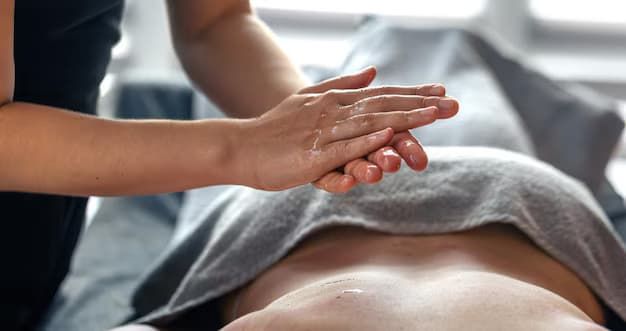
Understanding Contrast Therapy
By S21 GMB June 12, 2026
If you've spent any time on social media lately, you've probably seen people climbing into ice baths, sitting in saunas, or enthusiastically talking about their "contrast therapy" routine. But what exactly is contrast therapy? Is it worth trying? And what are the potential benefits and risks? Let's dive in.
Happy Pride Month from Peak Performance!
June 5, 2026
June is Pride Month, a time to celebrate love, authenticity, community, and the ongoing pursuit of equality for LGBTQIA+ individuals. At Peak Performance, we're proud to join in that celebration and reaffirm something that we believe should be true every day of the year: everyone deserves to feel welcome & respected
Chiropractor tips for roadtrip
By Solution21 Team May 29, 2026
Road Trip Ready: How to Survive Long Car Rides Without Neck and Back Pain Summer is officially road trip season. Whether your are visiting family, or packing the car for a weekend getaway, one thing is almost guaranteed: your body may not love sitting in the car for hours
car accident chiropractic
By S21 GMB May 29, 2026
Discover why the first 72 hours after a crash are critical and how car accident chiropractic care supports faster, safer recovery from injuries.
Craniosacral massage
By S21 GMB May 21, 2026
Discover how craniosacral massage supports the nervous system, reduces tension, and complements traditional therapies for lasting relief.
By S21 GMB May 15, 2026
If you've ever stood in the recovery aisle at a sporting goods store or scrolled through fitness content online, you've probably asked yourself: Do I really need all of this? Foam rollers, massage guns, lacrosse balls, mobility tools... and then there's professional massage therapy sitting on the other end of the spectrum. So what's actually worth your time (and money)? And more importantly—what's going to help you feel better and move better? Let's break it down in a way that actually makes sense. First, What Are We Trying to Accomplish? Before we compare tools; it's important to understand the goal. Most people are using foam rollers or booking massages because they want to: Reduce muscle tightness Improve mobility Decrease soreness Recover faster from workouts Feel less stiff during the workday All solid goals. The question is: which approach gets you there most effectively—and when? Foam Rolling: The DIY Approach Foam rolling (a form of self-myofascial release) is essentially a way to apply pressure to your own muscles using your body weight. You roll over tight areas, pause on tender spots, and hope for that "good hurt" feeling that signals something is happening. The pros: It's accessible —you can do it anytime It's relatively inexpensive It gives you some control over pressure and location It can be a great warm-up or cool-down tool The limitations: It's hard to fully relax while supporting your own body weight You can't easily target certain areas (looking at you, upper traps and neck) Pressure is inconsistent depending on positioning It's easy to rush through it or avoid the spots that actually need attention Foam rolling works best as a maintenance tool , not a fix-all solution. Think of it like brushing your teeth—it helps keep things in check, but it doesn't replace going to the dentist. Massage Therapy: The Hands-On Advantage Massage therapy takes a different approach. Instead of trying to manage everything yourself, you have a trained provider assessing and treating your body directly. The pros: Targeted treatment of specific problem areas Ability to fully relax (which matters more than you think) Consistent, controlled pressure Techniques that go beyond what you can replicate on your own Real-time feedback and adjustments The limitations: It requires scheduling It's more of an investment than a foam roller You can't do it daily (unless you've got unlimited time and budget—which, if so, congrats) Massage is typically more effective for: Persistent tightness Areas you can't reach Recovery after intense activity Stress-related tension Situations where your body just won't "let go" on its own Why Relaxation Actually Matters Here's something people often overlook: your nervous system plays a huge role in muscle tension. When you're foam rolling, you're often bracing, balancing, and thinking about what you're doing. That keeps your body in a more active state. During a message, you're lying down, supported, and able to fully relax. That shift allows your nervous system to downregulate, which can make muscles more receptive to change. In simple terms: Relaxed muscles respond better to treatment. That doesn't mean foam rolling is useless—it just means it operates differently What the Research (and Reality) Suggests Foam rolling has been shown to: Temporarily improve range of motion Reduce perception of soreness Be helpful as part of a warm-up Massage therapy has been shown to: Reduce pain and muscle tension Improve circulation Support recovery Help regulate stress Notice a theme? Both have benefits—but they're not interchangeable. When to Use a Foam Roller Foam rolling is a great option when you: Need a quick reset during the day Want to warm up before a workout Feel general tightness but nothing too specific Are maintaining progress between appointments A few tips to make it more effective: Slow down (this isn't a race) Breathe—don't hold tension while trying to relieve tension Spend extra time on areas that feel restricted Avoid rolling directly over joints or sharp pain Consistency beats intensity here. When to Book a Massage Massage therapy is the better choice when: You've had the same tight spot for weeks (or months) Foam rolling isn't cutting it anymore You're dealing with stress that's showing up physically You're recovering from a tough workout, race, or busy stretch of life You want a more targeted, individualized approach It's also worth noting: sometimes the issues isn't where you feel it. A trained provider can identify contributing areas you might not even think to address. The Best Approach? Use Both. This isn't an either/or situation—it's a both/and. Foam rolling and massage therapy actually complement each other really well. Think of it like this: Massage Therapy helps reset your system and address deeper or more stubborn issues Foam rolling helps you maintain those improvements between visits If you only rely on one, you're probably leaving some benefits on the table. A Simple Game Plan If you're not sure where to start, try this: Daily or near-daily: Light foam rolling (5–10 minutes) + simple movement As needed: Longer foam rolling sessions after workouts Every few weeks (or based on your needs): Massage therapy for deeper work and recovery Adjust based on your activity level, stress, and how your body feels The Bottom Line Foam rollers are convenient, affordable, and useful—but they have limits. Massage therapy is more targeted, more effective for stubborn issues, and allows your body to truly relax—but it requires a bit more planning. If your goal is to move better, feel better, and stay consistent with your health, the best strategy isn't choosing one over the other. It's knowing when to use each. Final Thought If you've been aggressively rolling the same tight spot for weeks and it's still hanging around, that's your sign—it might be time to bring in some backup. And if you've been relying only on massage but doing nothing in between, a foam roller might be the missing piece to help those results last longer. Your body doesn't need perfection—it just needs a little consistency and the right tools at the right time.  Bethany Wolcott, DC D’Youville Chiropractic ‘26
By S21 GMB May 4, 2026
Race Day Starts Now: How to Prepare for the Upcoming Buffalo Half & Full Marathons Buffalo is a running city, and one of the most exciting weekends of the year is almost here. The Buffalo Half Marathon and Full Marathon bring thousands of runners, spectators, and cheering fans to the streets each spring. Whether you’re chasing a personal record, checking “run a marathon” off your bucket list, or simply hoping to cross the finish line smiling, race success starts long before the starting gun. In the final weeks leading up to race day, preparation matters. Training miles are important, of course—but so are recovery, nutrition, mobility, sleep, and smart body maintenance. You’ve been putting in the work—now is the time to support it. Trust the Training (and Stop Trying to Become a Hero Overnight) A common mistake runners make before a big race is cramming in extra mileage at the last minute. Resist the urge. By now, your fitness has largely been built. The final stretch should focus on maintaining your routine, reducing fatigue, and arriving at the start line feeling fresh. That means following your taper plan, keeping runs purposeful but manageable, and avoiding the classic “I should probably run 18 miles this weekend just to be safe” panic decision. Spoiler alert: you should not. Prioritize Recovery Like It’s Part of Training Recovery is where progress happens. In the weeks leading up to the Buffalo Marathon weekend, make recovery a non-negotiable part of your schedule. That includes: Dynamic warm ups before any effort Gentle stretching after runs Mobility work for hips, calves, and ankles Foam rolling or soft tissue work Easy walks on rest days Staying hydrated Getting enough sleep If you’ve been feeling tight, sore, or beat up, now is the perfect time to address those issues before they become race-day problems. Don’t Ignore the Warning Signs There’s a difference between normal training soreness and pain that needs attention. Some signs you shouldn’t brush off include: Sharp pain while running Pain that changes your gait Swelling that lingers Numbness or tingling Pain that worsens with each run A nagging issue that hasn’t improved in weeks Many runners try to “tough it out” right into race week. Sometimes that works. Sometimes it turns a manageable issue into a DNS (Did Not Start) situation. If something feels off, it’s worth getting checked out sooner rather than later. Get Your Body Race-Ready Many runners use chiropractic care, massage therapy, and mobility-focused treatment as part of their race prep. Why? Because when joints move well and muscles recover well, training tends to feel better. Depending on the individual, treatment before a race may help with: Hip or low back tightness Calf and Achilles tension Neck and shoulder stiffness Foot and ankle mobility General wear-and-tear from training volume Recovery between final training sessions The goal before race day is not to do anything aggressive or dramatically different—it’s to help you move and feel your best heading into the event. Practice Your Race Day Plan Race day should feel familiar. The week before the Buffalo Half or Full Marathon is not the time for experiments. Use your long runs and final training efforts to dial in: What you’ll eat the night before and morning of Your breakfast timing Hydration strategy Gels or fuel during the run Clothing choices Socks that do not betray you Pacing strategy Nothing says “memorable race experience” quite like trying brand-new shorts. Sleep Matters More Than You Think You may not sleep perfectly the night before the race—and that’s okay. Pre-race nerves are real. What matters more is your sleep in the week leading up to the event. Aim for consistent bedtimes, quality rest, and enough total sleep. Think of race-week sleep as banking energy. Respect the Buffalo Weather If you know Buffalo, you know the weather can be... creative. Race morning could be cool and ideal, warm and sunny, windy, rainy, or somehow all four. Keep an eye on the forecast and prepare accordingly. Dress in layers before the start Have throwaway clothes if it’s chilly Adjust hydration if it’s warmer than expected Don’t go out too fast if conditions are tough You trained for the distance. Stay flexible for the forecast. The Last Few Days: Less Is More In the final 48–72 hours, keep things simple: Easy movement only Light stretching Hydrate consistently Eat balanced meals with PLENTY of carbs Avoid staying on your feet all day Pick up your packet early if possible Lay out race gear the night before This is not the time for a heroic leg workout, a five-hour yard project, or helping your friend move a couch. We’re Cheering for Buffalo Runners  The Buffalo Half and Full Marathons are incredible events, and it’s always inspiring to see our city come alive with runners of every level. If you’re dealing with aches, tightness, or training-related issues leading up to race day, our Peak Performance team is here to help. Chiropractic care and massage therapy can be valuable tools to keep you moving comfortably and confidently as you prepare. Whether you’re aiming for a Boston qualifier, your first finish line medal, or just hoping to survive the final 10K with dignity—we’re rooting for you. Good luck, Buffalo. See you at the finish line. Bethany Wolcott D'Youville Chiropractic '26
Stiffness afer sleeping
By Solution21 Team April 27, 2026
Why You Wake Up Stiff And What to Do About It You wake up, swing your legs out of bed, stand up… and immediately feel like you aged 40 years overnight. Your neck won’t turn, your low back feels tight, your hips are grumpy, and walking to the coffee maker feels like an extreme sport. Sound familiar?
By S21 GMB April 21, 2026
If you’ve ever heard someone say, “I don’t love the twisting and popping,” when talking about chiropractic care, flexion and distraction might be exactly what they’re looking for. This technique is one of the most comfortable, controlled, and patient-friendly tools chiropractors use—especially when dealing with sensitive or irritated spinal conditions. Let’s break down what flexion and distraction is, how it works, and when it’s typically used for both the low back and the neck. What Is Flexion & Distraction? Flexion and distraction is a specialized chiropractic technique performed using a segmented treatment table that gently moves with the patient’s body. Instead of quick thrusts or high-velocity adjustments, this approach uses slow, rhythmic motions to stretch and mobilize the spine. The name says it all: Flexion refers to bending forward. Distraction refers to a gentle pulling or decompression. Together, these movements create space within the spine while improving motion in a controlled and comfortable way. Patients often describe it as a “stretching” sensation rather than a traditional adjustment. How Does It Work? At its core, flexion and distraction works by reducing pressure in the spine and improving mobility. Here’s what’s happening behind the scenes: 1. Decompression of spinal joints and discs The gentle distraction (pulling) motion helps create space between the vertebrae. This can reduce pressure on intervertebral discs and nearby nerves—especially helpful if something is irritated or inflamed. 2. Improved disc mechanics For patients dealing with disc bulges or herniations, flexion movements can help encourage better positioning of the disc material. Think of it as giving the disc a little room to “breathe” and settle. 3. Reduced nerve irritation When spinal joints are compressed or inflamed, nerves can become irritated. By relieving pressure and improving motion, this technique can help calm things down. 4. Increased circulation and mobility The repetitive, gentle motion promotes blood flow and helps loosen stiff joints and surrounding soft tissues. One of the biggest advantages? It’s highly customizable. Chiropractors can control the speed, depth, and range of motion, making it appropriate for a wide range of patients—from those in acute pain to those simply looking to improve mobility. Flexion & Distraction for the Low Back and SI Joints This is where flexion and distraction is most commonly used—and where it really shines. The lumbar spine (low back) and sacroiliac (SI) joints take on a lot of stress from daily activities like sitting, lifting, and bending. When something goes wrong here, it can lead to stiffness, sharp pain, or even symptoms that travel into the hips or legs. Common conditions treated in this region include: Low back pain (acute or chronic) Disc bulges and herniations Sciatica Degenerative disc changes Facet joint irritation SI joint dysfunction During treatment, the patient lies face down on the table and the lower half of the table gently pulls out. The chiropractor stabilizes part of the spine and gently flexes the lower half of the table up and down while stabilizing segments of the lumbar spins. The table assists in creating smooth, controlled movement. The chiropractor may also use a side-to-side or figure 8 motion to aid in opening up the disc spaces. Why it works so well here: It reduces compression in the lumbar spine It allows targeted treatment of specific segments It avoids aggressive movements that may aggravate symptoms For patients who are flared up or hesitant about more forceful techniques, this can be a game changer.  What About the SI Joints? The SI joints—where the spine meets the pelvis—are small but mighty troublemakers. When they become stiff or irritated, they can cause pain in the low back, glutes, or even mimic sciatica. Flexion and distraction can help by: Improving motion between the sacrum and pelvis Reducing stress across the joint Addressing surrounding muscle tension Because the movements are gentle and controlled, it’s particularly useful for patients with sensitive or inflamed SI joints. Flexion & Distraction for the Cervical Spine While many people associate this technique with the low back, it can also be adapted for the cervical spine. The neck is a more delicate area, so treatments here are even more precise and controlled. Instead of large movements, the chiropractor uses small, targeted motions to create decompression and improve mobility. Common conditions treated in the neck include: Neck pain and stiffness Cervical disc issues Radiating pain into the shoulders or arms Headaches related to neck tension Postural strain from desk work or device use How it helps: Gently relieves pressure on cervical discs Reduces irritation of nerves traveling into the arms Improves range of motion without aggressive force For patients who feel uneasy about traditional neck adjustments, this approach can feel much more approachable and comfortable. What Does It Feel Like? One of the most common questions patients ask is, “Is it going to hurt?” Short answer: typically, no. Most patients find flexion and distraction to be: Relaxing Gentle Rhythmic Stretch-like In fact, some people are surprised at how subtle it feels—especially compared to what they expect from chiropractic care. That said, if you’re already dealing with a painful condition, you may feel mild discomfort at first. But the goal is always to work within your tolerance and gradually improve how things feel over time. Who Is a Good Candidate? Flexion and distraction is a great option for a wide range of patients, including: People with acute low back pain Patients with disc-related issues Those with nerve-related symptoms (like sciatica) Individuals who prefer a gentler approach Patients who are sensitive to traditional adjustments It’s also commonly used for patients who are early in care and may not yet tolerate more direct techniques. When Is It Not the Best Fit? While this technique is versatile, it’s not always the first choice in every situation. Certain conditions may require different approaches or modifications. That’s why a thorough evaluation is key—so your provider can determine the safest and most effective treatment plan for you. The Bottom Line Flexion and distraction is one of the most patient-friendly techniques in chiropractic care. It’s gentle, controlled, and highly effective for reducing pressure in the spine while improving mobility. Whether it’s being used for the low back, SI joints, or even the neck, the goal is the same: restore motion, reduce irritation, and help you move more comfortably. If you’ve been dealing with back or neck discomfort—or if you’ve been hesitant to try chiropractic care because you’re unsure about traditional adjustments—this technique might be worth exploring. As always, if you have questions about whether flexion and distraction is right for you, bring it up at your next visit. Your provider can walk you through what to expect and tailor care to your comfort level and goals. Bethany Wolcott D’Youville Chiropractic ‘26
By S21 GMB April 13, 2026
When something hurts, it’s natural to want answers—and fast. While a thorough history and physical exam are often the first step in understanding what’s going on, medical imaging can provide a deeper look inside the body. From bones to soft tissues to internal organs, different imaging tools give different kinds of information. If you’ve ever wondered what separates an X-ray from an MRI—or why one might be used over another—this guide breaks it all down in a clear, practical way. X-Ray: The Classic First Look X-rays are often the most familiar type of imaging. They’ve been around for over a century and are typically the first line when evaluating injuries, especially involving bones. How it works: X-rays use a small amount of ionizing radiation to create images of the body. Dense structures like bone absorb more radiation and appear white on the image, while softer tissues appear in shades of gray. What it’s best for: Fractures and dislocations Joint alignment Signs of arthritis (like joint space narrowing or bone spurs) Spinal structure and posture Why it’s used: X-rays are quick, widely available, and cost-effective. If someone takes a fall, has persistent joint pain, or needs a baseline look at bone structure, this is often the starting point. Limitations: X-rays don’t show soft tissues (like muscles, ligaments, or discs) very well. So while they’re excellent for bones, they won’t give the full picture for many soft tissue injuries. MRI: The Soft Tissue Specialist Magnetic Resonance Imaging (MRI) is a powerful tool when it comes to visualizing soft tissues in detail. How it works: MRI uses a strong magnetic field and radio waves—not radiation—to generate highly detailed images. It essentially maps how hydrogen atoms in the body respond to magnetic energy, which allows it to differentiate between various types of tissues. What it’s best for: Disc herniations and spinal cord issues Ligament and tendon injuries Muscle tears Brain and nerve conditions Joint injuries (like meniscus or labrum tears) Why it’s used: If symptoms suggest involvement of soft tissues—like radiating nerve pain, weakness, or instability—MRI provides a much clearer view than an X-ray. Limitations: MRIs take longer (often 30–60 minutes), can be noisy, and may feel uncomfortable for people who are claustrophobic. They’re also more expensive than X-rays. Additionally, people with certain implants or metal in their body may not be eligible for MRI. CT Scan: The Detailed Cross-Section A CT (Computed Tomography) scan is like a more advanced version of an X-ray that creates detailed cross-sectional images of the body. How it works: CT scans use multiple X-ray beams taken from different angles and combine them to create “slices” of the body. These slices can then be stacked to form a 3D image. What it’s best for: Complex fractures Internal bleeding Bone detail (especially in areas like the spine or skull) Evaluating trauma cases Detecting certain tumors or abnormalities Why it’s used: CT scans provide more detail than standard X-rays and are especially useful in emergency settings. They can quickly assess serious injuries and internal conditions. Limitations: CT scans use more radiation than standard X-rays, so they’re typically used when more detailed imaging is necessary. While they can show soft tissues better than X-rays, they still don’t match the level of detail provided by MRI for those structures. Ultrasound: Real-Time Imaging in Motion Ultrasound might be best known for its role in pregnancy, but it’s also incredibly useful for evaluating musculoskeletal and soft tissue conditions. How it works: Ultrasound uses high-frequency sound waves that bounce off tissues and create images in real time. There’s no radiation involved. What it’s best for: Tendon and ligament injuries Muscle strains Bursitis or fluid buildup Joint inflammation Guiding certain procedures Why it’s used: One of ultrasound’s biggest advantages is that it allows dynamic imaging—meaning you can see structures move in real time. For example, a provider can watch how a tendon glides during movement or identify abnormalities that only appear with motion. It’s also portable, relatively inexpensive, and safe for repeated use. Limitations: Ultrasound is highly operator-dependent, meaning the quality of the images depends on the skill of the person performing the scan. It also doesn’t penetrate bone well, so it’s not useful for evaluating deeper structures or anything hidden behind bone. Choosing the Right Tool Each type of imaging has its strengths, and no single option is “best” in every situation. Instead, they complement each other. X-rays are great for bones and initial assessments MRIs excel at showing soft tissues and nerves CT scans provide detailed, cross-sectional images—especially for complex injuries Ultrasound offers real-time imaging for muscles, tendons, and fluid The key is matching the imaging method to the clinical question. What are we trying to see? A fracture? A torn ligament? A disc pressing on a nerve? The answer to that question helps determine which tool is most appropriate. Why Imaging Isn’t Always Step One It might be tempting to think imaging should happen right away whenever there’s pain, but that’s not always the case. Many musculoskeletal issues—like minor strains, sprains, or mechanical back pain—can be effectively assessed and managed without immediate imaging. In fact, imaging can sometimes show “abnormalities” that aren’t actually causing symptoms. For example, studies have shown that many people without back pain still have disc bulges or degenerative changes on MRI. That’s why imaging is most useful when it’s guided by a clear clinical need. The Bottom Line Medical imaging is a powerful tool that helps piece together what’s happening inside the body. Whether it’s a quick X-ray to rule out a fracture or a detailed MRI to evaluate soft tissue structures, each modality provides unique and valuable information. Understanding the differences between X-ray, MRI, CT, and ultrasound can help make sense of the process and set realistic expectations. While these technologies are incredibly advanced, they work best when used thoughtfully—paired with a thorough history and physical exam to get the full picture. At the end of the day, imaging isn’t just about seeing more—it’s about seeing what matters. Bethany Wolcott D’Youville Chiropractic ‘26
Show More