
Hot Cold And Feeling Bold: Understanding Contrast Therapy
Hot, Cold, and Feeling Bold: Understanding Contrast Therapy
If you've spent any time on social media lately, you've probably seen people climbing into ice baths, sitting in saunas, or enthusiastically talking about their "contrast therapy" routine. While it may seem like the latest wellness trend, alternating heat and cold exposure has been around for centuries. From Finnish saunas to cold-water plunges and even modern recovery centers, people have long used temperature-based therapies to promote recovery, relaxation, and overall well-being.
But what exactly is contrast therapy? Is it worth trying? And what are the potential benefits and risks? Let's dive in.
What Is Contrast Therapy?
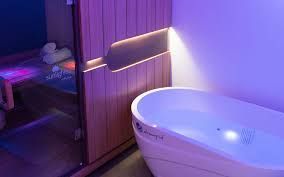
Contrast therapy involves alternating between heat and cold exposure. Typically, this means spending time in a sauna or hot environment followed by a cold plunge, ice bath, or cold shower. The process may be repeated several times during a single session.
Think of it as a workout for your circulatory system. Heat causes blood vessels to expand (vasodilation), while cold causes them to constrict (vasoconstriction). Alternating between the two creates a pumping effect that may help improve circulation and recovery.
A common routine might look something like this:
- 10-15 minutes in a sauna
- 1-3 minutes in a cold plunge
- Repeat 2-4 times
There isn't one perfect protocol, and the ideal approach often depends on your goals, health status, and tolerance levels.
The Benefits of Sauna Use
Saunas have been used for thousands of years, particularly in Scandinavian cultures. Sitting in a heated environment raises your core body temperature and triggers several physiological responses.
Relaxation and Stress Reduction
One of the most immediate benefits of sauna use is relaxation. Heat can help reduce muscle tension and promote a sense of calm. Many people report feeling mentally refreshed and less stressed after a sauna session.
Improved Circulation
As your body warms, blood vessels dilate and blood flow increases. Enhanced circulation may help deliver oxygen and nutrients throughout the body more efficiently.
Muscle Recovery
Athletes and active individuals often use saunas after exercise. Increased blood flow may help reduce feelings of muscle soreness and stiffness while promoting recovery.
Cardiovascular Health
Research has shown that regular sauna use may have positive effects on cardiovascular health. Some studies suggest associations between frequent sauna use and reduced risks of cardiovascular disease. While a sauna is certainly not a replacement for exercise, it may provide additional cardiovascular benefits.
Improved Flexibility
Warm tissues tend to be more pliable. Spending time in a sauna may help temporarily improve mobility and flexibility, making movement feel more comfortable.
The Benefits of Cold Plunges
On the opposite end of the temperature spectrum sits the cold plunge.
Cold-water immersion has gained popularity among athletes, fitness enthusiasts, and anyone seeking a refreshing challenge.
Reduced Perception of Soreness
One of the primary reasons people use cold plunges is to help manage post-exercise soreness. Cold exposure can temporarily reduce inflammation and may decrease the perception of muscle discomfort after intense physical activity.
Increased Alertness
Have you ever stepped into cold water and instantly felt awake? Cold exposure activates the sympathetic nervous system and can create a feeling of increased energy and alertness.
Potential Mood Benefits
Cold exposure triggers the release of neurotransmitters such as norepinephrine and dopamine. Many people report feeling invigorated, focused, and mentally refreshed after a cold plunge.
Building Mental Resilience
Let's be honest—cold plunges aren't always comfortable. Many people enjoy the mental challenge that comes with voluntarily stepping into cold water. Over time, this practice may help improve tolerance to discomfort and stress.
Why Combine Heat and Cold?
While saunas and cold plunges each offer unique benefits on their own, combining them is where contrast therapy shines.
The alternating expansion and constriction of blood vessels may help support circulation and recovery. Many people report feeling energized yet relaxed after a contrast therapy session—a unique combination that's difficult to achieve through either heat or cold alone.
Potential benefits of contrast therapy include:
- Improved circulation
- Reduced muscle soreness
- Enhanced recovery after exercise
- Temporary reduction in joint stiffness
- Stress reduction
- Increased feelings of well-being
- Improved energy and alertness
For active individuals, contrast therapy can be a valuable addition to a recovery routine alongside proper sleep, hydration, nutrition, and movement.
Are There Risks?
As beneficial as contrast therapy can be, it's not appropriate for everyone.
Cardiovascular Concerns
Rapid temperature changes can place stress on the cardiovascular system. Individuals with heart disease, uncontrolled high blood pressure, arrhythmias, or other cardiovascular conditions should consult their healthcare provider before attempting contrast therapy.
Dizziness and Fainting
Heat exposure can lower blood pressure, while cold exposure can create sudden physiological changes. Some individuals may experience dizziness, lightheadedness, or fainting if they move too quickly between temperatures.
Dehydration
Saunas can lead to significant fluid loss through sweating. It's important to hydrate before, during, and after sauna use.
Cold Injury
Extended cold exposure can increase the risk of cold-related injuries. More is not always better. Most cold plunges only require a few minutes to achieve the desired effects.
Pregnancy and Certain Medical Conditions
Individuals who are pregnant or have certain neurological, vascular, or medical conditions should discuss temperature therapies with their healthcare provider before participating.
Tips for Trying Contrast Therapy Safely
If you're interested in trying contrast therapy, keep these tips in mind:
Start Gradually
You don't need to jump into freezing water for ten minutes on your first attempt. Begin with shorter durations and less intense temps and gradually build tolerance.
Listen to Your Body
Mild discomfort is expected, especially with cold exposure. However, dizziness, chest pain, severe shortness of breath, or feeling unwell are signs to stop immediately.
Stay Hydrated
Drink plenty of water before and after your session.
Avoid Alcohol
Alcohol can impair your body's ability to regulate temperature and increase the risk of dehydration.
Focus on Breathing
Controlled breathing can help manage the initial shock of cold exposure and make the experience more comfortable.
Where Chiropractic and Massage Fit In
Contrast therapy can be a great complement to other recovery and wellness strategies, but it works best as part of a comprehensive approach.
At Peak Performance, we help patients recover from injuries, manage aches and pains, improve mobility, and stay active through chiropractic care and massage therapy. While saunas and cold plunges may help support recovery, they don't address movement dysfunction, joint restrictions, muscle imbalances, or biomechanical issues that may be contributing to discomfort.
Combining evidence-informed chiropractic care, massage therapy, exercise, proper recovery habits, and healthy lifestyle choices often provides the best long-term results.
Hot Take: Recovery Doesn't Have to Be Complicated
Whether you're training for a marathon, recovering from a tough workout, or simply looking for new ways to relax and recharge, contrast therapy may be worth exploring. The combination of heat and cold can offer a unique recovery experience that leaves many people feeling refreshed, energized, and ready to tackle whatever comes next.
As with any wellness practice, consistency, moderation, and safety matter most. If you're curious about whether contrast therapy could fit into your recovery routine, talk with your healthcare provider and remember that recovery isn't just about what happens in the sauna or cold plunge—it's about how all the pieces work together.
Your body works hard for you every day. A little hot-and-cold treatment might just be one more tool to help it feel its best.